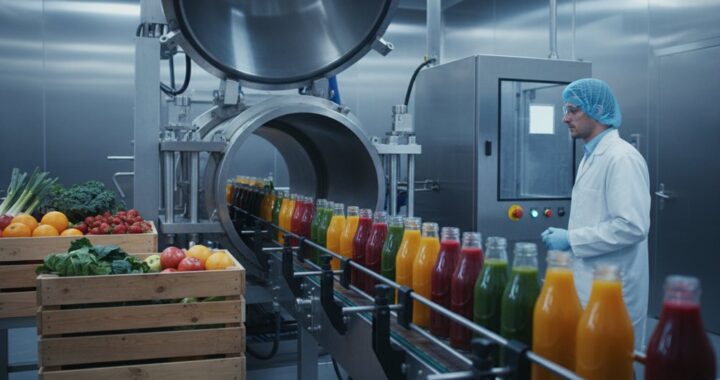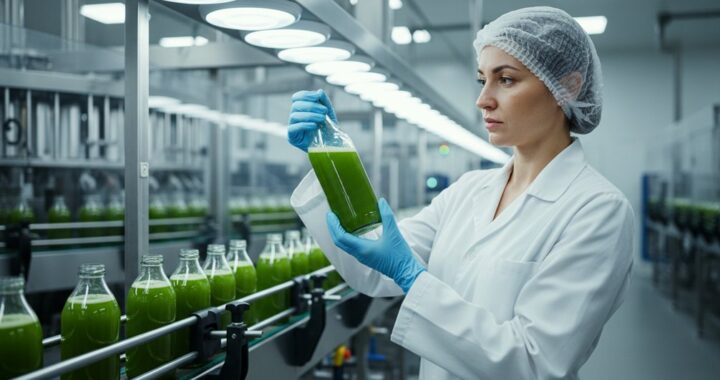
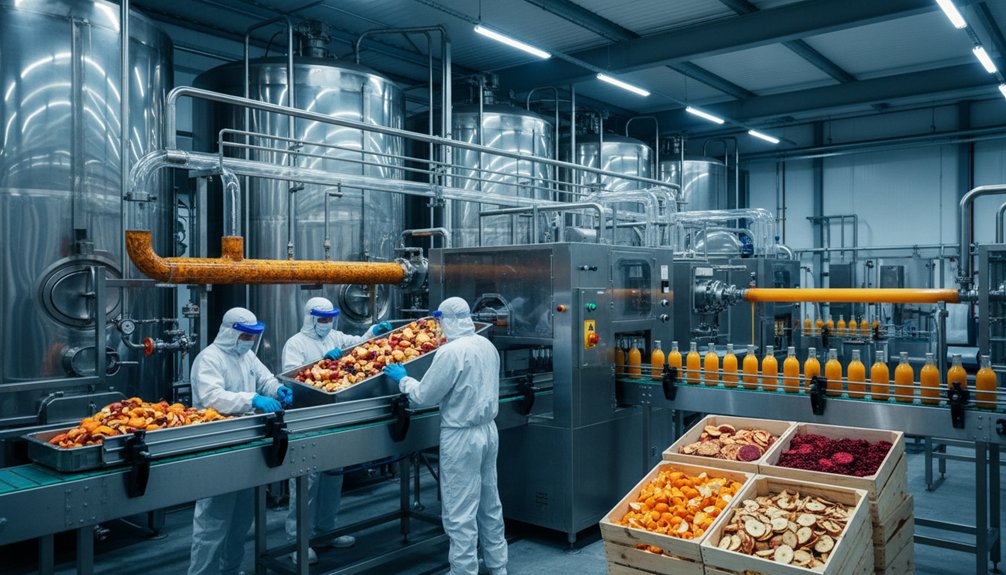
Modern beverage plants turn pomace, spent grain, coffee grounds, tea leaves, and fermentation residues into saleable ingredients, animal feed, fertilizer, or biogas. You can recover fiber, protein, pectin, oils, and flavors through pressing, extraction, separation, and drying. Protect value with rapid stabilization, hazard testing, traceable lots, and buyer-ready specifications. Then match ingredients to suitable drinks or markets and secure dependable offtake. Your margins depend on processing and logistics costs, avoided disposal fees, and the practical choices behind each route.
Which Beverage Byproducts Can Plants Upcycle?

Beverage plants can turn fruit pomace, spent grains, coffee grounds, tea leaves, whey, and fermentation residues into saleable ingredients instead of disposal costs. You can match each stream to a product function and processing route. Press fruit pomace for fiber, pectin, color, or polyphenol-rich extracts; dry and mill spent grains into protein- and fiber-rich flour. Recover coffee grounds for roasted notes, oils, or antioxidant extracts, while tea leaves can supply concentrated flavor, color, and catechins. Whey can contribute protein, lactose, and acidity to drinks or cultured products. Yeast and other fermentation residues may yield nutrients, savory compounds, or functional extracts. These ingredients support Flavor enhancement and formulation efficiency. Track yield, energy use, waste diversion, and ingredient substitution as sustainability metrics, then prioritize streams with consistent supply and clear buyer demand.
How Can Plants Check Byproduct Safety?
Turning byproducts into saleable ingredients only pays off when each stream meets food-safety requirements. Start by mapping hazards to the source, composition, and intended use of each stream. Your hazard analysis should cover pathogens, spoilage organisms, chemical residues, allergens, and foreign material. Use Microbial analysis to establish baseline counts and test for relevant organisms; set sampling frequency according to risk, variability, and supplier or process changes. Validate methods with an accredited laboratory, and define acceptance limits before testing begins.
Build Contamination prevention into collection and storage controls: segregate streams, protect samples, verify sanitation, and maintain traceable lot records. Hold material until results meet specifications, with clear procedures for investigation, rejection, or corrective action. Trend results to spot drift early. Reliable verification protects consumers, limits recalls, and helps you qualify consistent, marketable ingredients.
How Do Plants Process Beverage Byproducts?
You start by collecting and sorting byproducts to protect feedstock quality and streamline processing. Then you recover valuable ingredients through fit-for-purpose extraction, improving yield and unit economics. Finally, you verify safety and package recovered materials to meet specifications and reach market.
Byproduct Collection And Sorting
Before byproducts can become revenue, plants must capture them cleanly and keep each stream separate. You’ll protect ingredient value by collecting spent grain, fruit pomace, coffee grounds, and other residues at the point of generation, before they mix with wastewater or cleaning chemicals. Dedicated chutes, sealed bins, and scheduled pickups limit contamination and spoilage while maintaining traceability by product, shift, and lot.
Next, you’ll sort materials by type, moisture level, and foreign-object risk. Screens, conveyors, optical systems, and operator checks support innovative sorting, helping crews remove packaging fragments and route usable streams consistently. Clear handling protocols reduce cross-contamination and prevent costly disposal errors. When you track volumes and quality, you can identify bottlenecks, improve waste reduction, and forecast supply for downstream partners. Reliable collection turns variable residues into a controlled, marketable feedstock.
Extraction And Ingredient Recovery
Once sorted, beverage byproducts move into extraction systems that recover valuable compounds while controlling moisture, temperature, and yield. You can use pressing, enzymatic treatment, or water- and solvent-based extraction to release oils, fibers, proteins, polyphenols, and natural flavors from spent fruit, grains, and botanicals. Select methods around the ingredient’s end use: gentle heat can preserve aroma, while milling and controlled pH can improve recovery. Then concentrate extracts through filtration, evaporation, or membrane separation, and dry solids when a stable powder suits your formulation. Track throughput, energy use, and recovery rates to identify bottlenecks and protect margins. Matching extraction conditions to feedstock variability helps you turn low-value residues into consistent, saleable ingredients. This approach advances a circular economy and strengthens sustainability initiatives with measurable resource efficiency and new revenue streams.
Safety Testing And Packaging
To turn recovered compounds into saleable ingredients, plants verify safety and package each lot to protect quality. You’ll see teams test for pathogens, pesticide residues, heavy metals, allergens, and spoilage indicators, using validated methods and risk-based sampling. They’ll also confirm moisture, acidity, and active-compound levels against specifications, ensuring consistent performance in production. Traceability records link each lot to its source stream, processing conditions, and test results, supporting audits and rapid recalls.
Once a lot passes release criteria, you’ll choose packaging that limits oxygen, light, and moisture exposure. Food-grade, barrier materials help preserve color, aroma, and functionality through storage and shipping. Clear labels state handling requirements and batch identity. Reliable controls reduce waste, protect margins, and strengthen customer confidence. Verified safety and documented sourcing also support sustainability branding, while dependable sensory quality enables Flavor enhancement in finished beverages.
Which Drinks Can Use Upcycled Ingredients?
Upcycled ingredients can work across beverage categories, provided they meet each product’s flavor, stability, and safety requirements. You can add fruit pomace, peel extracts, or coffee cascara to juices, sparkling drinks, and ready-to-drink teas, where their aromas and acidity can support distinctive profiles. Grain-derived ingredients can bring body, fiber, or toasted notes to plant-based beverages and functional drinks. Brewers can use spent grains or fruit residues in craft beer, while distillers may incorporate suitable byproducts into spirits and mixers.
Match each ingredient to your process: heat treatment, filtration, carbonation, and shelf life can affect sensory performance. Pilot trials help you set inclusion rates without compromising consistency or throughput. Flavor innovation can differentiate a portfolio, and thoughtful marketing strategies can connect that distinction to consumer interest and stronger margins. Choose applications where upcycled inputs improve product value, not just ingredient cost.
How Can Plants Prove Upcycled Product Claims?
When you put upcycled ingredients on a label, you need records that substantiate the claim and protect your brand. Build a traceable chain from supplier to finished beverage: retain specifications, invoices, lot codes, processing records, and mass-balance calculations showing how much recovered material enters each batch. Define what “upcycled” means for your product, and verify that the ingredient would otherwise have gone to waste. Check supplier documentation and audit controls; don’t rely on marketing language alone.
Use Consumer transparency to make claims specific and understandable. State the ingredient’s source and role, and avoid implying environmental benefits you can’t quantify. A Sustainability certification may strengthen credibility, but confirm its scope covers the ingredient and claim. Align labels, website copy, and sales materials with your evidence. Review records regularly so you can answer customer, retailer, and regulator questions quickly—and defend the product’s value.
Where Can Beverage Byproduct Revenue Come From?
You can monetize beverage byproducts by selling recovered ingredients that meet food-grade specifications and command reliable market prices. When those outlets don’t fit, route suitable residuals to feed or fertilizer markets. Recover energy from remaining streams to offset utility costs or generate revenue.
Ingredient Sales
Ingredient sales can turn beverage byproducts into revenue by supplying food, feed, and personal-care manufacturers with materials such as fruit fiber, spent grain, and coffee grounds. You can capture value by processing these streams into consistent, traceable ingredients that meet buyers’ specifications for moisture, particle size, safety, and functionality. Applications include fiber enrichment in baked goods, grain-derived flavor or protein in snacks, and coffee extracts or exfoliants in personal care. Market trends and consumer preferences increasingly favor recognizable, resource-efficient ingredients, but buyers still require reliable volumes and validated performance. Your margins depend on collection logistics, stabilization, testing, and processing costs, as well as contract terms and market pricing. Start with a buyer-led feasibility assessment: confirm demand, required certifications, and target specifications before investing in equipment or scaling production.
Feed and Fertilizer
Beverage byproducts can generate feed and fertilizer revenue when processors match each stream to a suitable, compliant market. You can sell spent grain, fruit pomace, yeast, and other nutrient-rich residues to livestock producers, feed formulators, or ingredient processors. Start by testing moisture, protein, fiber, sugars, and contaminants; consistent specifications help buyers manage rations and protect animal health. Stabilize wet material quickly through drying, ensiling, or refrigerated handling to limit spoilage and preserve value. For fertilizer markets, route suitable solids to composters or soil amendment manufacturers, where nutrient analysis and contaminant controls support reliable product quality. Contracts, collection logistics, and seasonal volumes determine your net return, so compare delivered value against handling costs. Traceable sourcing can strengthen sustainability branding, while recovered ingredients may support Flavor innovation in feed products. Keep permits and buyer requirements current.
Energy Recovery
Energy recovery can turn spent grain, wastewater solids, and other unsuitable residues into revenue through anaerobic digestion, biogas production, or on-site heat and power. You can feed digesters with consistent organic streams, then use biogas in boilers or combined heat and power systems to displace purchased fuel and electricity. Where grid access and permitting allow, exporting surplus power can add income. First, assess feedstock volume, moisture, contamination, and seasonal variability; these factors determine digester performance and payback. Capture heat for process water or cleaning, and track avoided disposal fees alongside energy savings. Strong Sustainability metrics help verify emissions reductions and support customer reporting. Consumer education can explain how recovered energy lowers waste and improves resource efficiency. Monitor uptime, gas quality, and maintenance costs to protect margins and document results.
What Makes Beverage Byproduct Upcycling Profitable?
When processors recover value from fruit pomace, spent grain, coffee grounds, or other production residues, they can turn disposal costs into saleable ingredients. You can improve margins by converting these streams into fiber, protein, natural colors, or flavor extracts, provided your process protects quality and yields consistent specifications.
Profitability depends on more than product value. You’ll need to weigh drying, separation, testing, storage, and logistics costs against avoided waste fees and ingredient revenue. Integrating recovery with existing lines can reduce capital and labor requirements, while reliable offtake agreements limit inventory risk.
Market trends favor traceable, resource-efficient ingredients, but consumer perception still hinges on safety, taste, and performance. Validate applications with customers, document food-safety controls, and substantiate sustainability claims. When you match recovered ingredients to clear demand, you can build dependable revenue from materials once treated as waste.