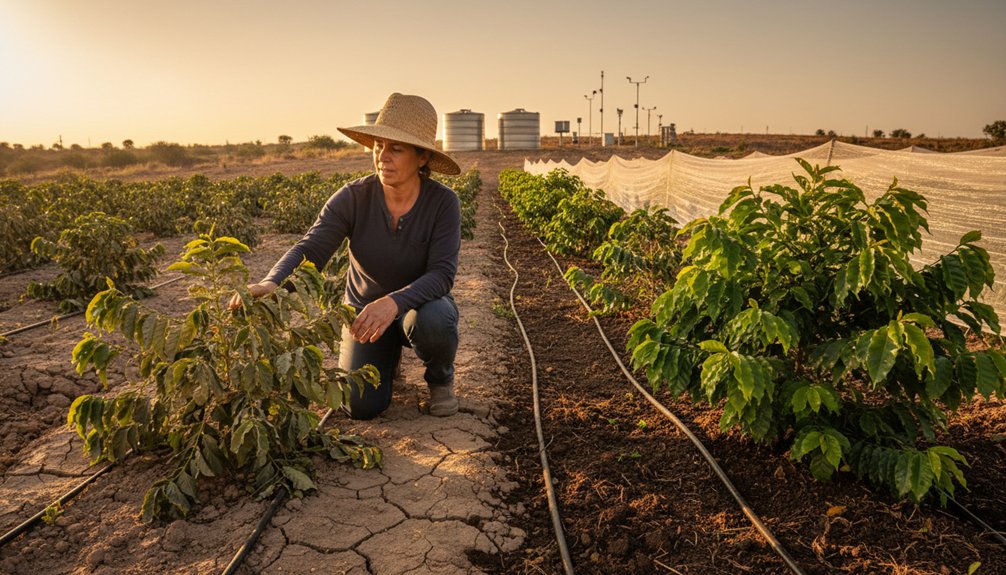
To climate-proof your beverage supply chain ahead of 2027, map ingredient origins to farms and growing seasons, then overlay drought, heat, flood, and water-stress data. Prioritize exposed crops such as coffee, cocoa, tea, sugar, and citrus, and model likely effects on yields, quality, costs, and lead times. Qualify alternate origins, build flexible contracts and inventory plans, and partner with growers on adaptation. Forecast-based triggers can guide timely action while protecting product standards and customer trust. Explore the priorities shaping resilient sourcing next.
How Climate Shifts Threaten Beverage Ingredients
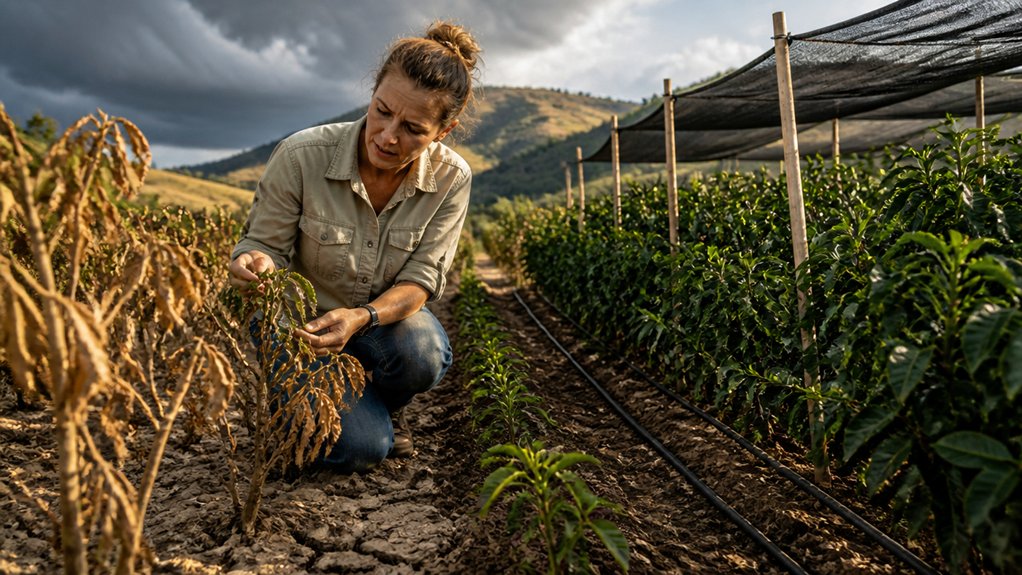
Climate shifts are already changing the supply, quality, and price of key beverage ingredients. Climate variability can disrupt harvest timing and yields for coffee, tea, cocoa, fruit, and sugar, while heat stress alters flavor compounds, acidity, and color. For your portfolio, that means tighter specifications may collide with less consistent crops and sharper price swings.
Water scarcity adds pressure across growing regions, limiting irrigation and intensifying competition among farms, communities, and industry. Drought can reduce both crop volume and processing capacity; intense rainfall can damage fields, delay harvests, and compromise quality. These effects don’t stop at the farm gate: they can reshape ingredient availability, lead times, and formulation costs.
As conditions shift toward 2027, you’ll need to anticipate greater variability in the ingredients your customers expect—and the margins your business depends on.
Assess Climate Risk Across Your Supply Chain
Map where your agricultural inputs originate, then overlay supplier locations with drought, flood, heat, and water-stress data. Quantify exposure by crop, region, and sourcing share to identify the risks most likely to disrupt supply or raise costs. You’ll build a clearer basis for prioritizing resilience investments and diversifying sourcing.
Map Agricultural Exposure
Where does climate risk enter your supply chain? Map each agricultural input to its farm, region, and growing season—not just its country of origin. Trace direct suppliers through processors and traders to identify where your ingredients actually come from. For beverage brands, that may include coffee, tea, sugar, citrus, grains, and water-intensive crops.
Build a consistent exposure map using supplier records, sourcing volumes, production calendars, and geospatial data. Flag concentrated sourcing, single-origin dependencies, and regions where harvest timing or growing conditions could shift. Ask suppliers to validate locations and disclose their own upstream sources; incomplete visibility can hide critical exposure.
Use the map to guide supplier engagement and sourcing decisions. Prioritize partnerships that support sustainable farming and water conservation, and update origin data as contracts, harvests, and supplier networks change. A reliable baseline helps you spot emerging vulnerabilities early and prepare for 2027.
Quantify Climate Risks
Once you’ve mapped exposure, quantify what it could mean for supply and cost. Model climate hazards against each crop’s yield sensitivity, sourcing region, and harvest calendar. Use historical weather, forward-looking climate projections, and supplier data to estimate disruption probabilities across near-term and 2030 scenarios.
Translate those probabilities into business metrics: expected volume shortfalls, price volatility, freight premiums, and days of inventory at risk. Run stress tests for drought, heat, flooding, and water constraints, then compare results across ingredients and suppliers. This reveals where diversification, contracts, or buffer stocks deliver the greatest resilience per dollar invested.
Include Economic impacts beyond procurement, such as lost production or reformulation costs. Track policy implications, too: water rules, emissions requirements, and trade measures can shift costs or access. Update assumptions annually so your risk estimates guide sourcing decisions before conditions change.
Prioritize Vulnerable Crops and Growing Regions
Identify at-risk crops by tracking climate exposure, yield volatility, and sourcing concentration. Map vulnerable growing regions against projected hazards to pinpoint where disruption could hit your supply. Then prioritize diversification across crops, origins, and suppliers to reduce dependence on climate-exposed sources.
Identify At-Risk Crops
As climate volatility intensifies, prioritize crops and growing regions where exposure, sourcing concentration, and limited substitution create the greatest supply risk. For beverage portfolios, assess coffee, cocoa, tea, sugar, citrus, and key botanicals against heat, drought, frost, flooding, and disease sensitivity. Combine yield variability, supplier concentration, inventory coverage, and price volatility to rank exposure; don’t rely on climate risk alone. Flag ingredients with long growing cycles, narrow harvest windows, or strict flavor specifications, since you can’t replace them quickly without reformulation or quality trade-offs. Use scenario analysis through 2027 to test how simultaneous shocks could affect availability, costs, and service levels. Then link each priority crop to practical sourcing actions, including Crop diversification, qualified alternatives, and longer-term supplier partnerships. This evidence-based prioritization supports Market stability without treating every ingredient as equally vulnerable.
Map Vulnerable Regions
Map priority crops to the specific growing regions that put supply at risk, rather than treating each country as a single exposure. For each ingredient, connect sourcing locations to climate hazards, production volumes, and supplier dependencies. Regional droughts can threaten a tea-growing district even when national rainfall looks stable; soil degradation may reduce yields in a key citrus basin before it appears in broad agricultural data. Combine supplier records with watershed, soil, heat, and precipitation maps to pinpoint these local pressures. Then rank each crop-region pair by exposure, sourcing concentration, and the time needed for farms to recover. Use that assessment to flag where harvest forecasts, quality, or delivery windows could shift before 2027. Refresh the map as new climate projections, crop reports, and supplier data emerge, so your risk picture stays actionable.
Prioritize Supply Diversification
Once you’ve ranked crop-region risks, prioritize diversification where exposure and sourcing concentration are highest. Start with ingredients that face rising heat, water stress, or volatile yields, especially when one region supplies most of your volume. Set measurable targets for reducing single-origin dependence, then qualify alternative growing areas against quality, logistics, labor, and regulatory requirements.
Build Supplier partnerships with growers, cooperatives, and processors in candidate regions. Share agronomic data, forecast demand, and fund trials that test resilient varieties and production practices before you need them at scale. Stagger contracts and harvest windows to limit correlated disruption, while preserving traceability and consistent specifications.
Market flexibility matters: design formulations and procurement plans that can accommodate approved substitutes or shifting origin shares. Review diversification progress each season using yield, cost, climate exposure, and supplier performance indicators. This disciplined approach strengthens resilience without sacrificing product quality or commercial viability.
Diversify Ingredient Sources Before Shortages
When climate shocks disrupt a growing region, ingredient buyers with a single-source strategy have few options beyond absorbing delays and price spikes. You can reduce that exposure by qualifying alternate origins before shortages force rushed decisions. Map each ingredient’s geographic concentration, harvest calendar, transport routes, and supplier capacity; then identify regions with different climate risks and production windows. Don’t wait for a failed harvest to test specifications, food-safety controls, or logistics. Build supplier partnerships through clear forecasts, shared quality standards, and contingency volumes, while preserving flexibility to shift orders. Track indicators such as drought severity, crop outlooks, and export restrictions to trigger timely sourcing reviews. Ingredient innovation can also expand your options, but validate taste, labeling, cost, and processing requirements early. By 2027, documented alternatives can help you protect availability and margins.
Help Farmers Build Climate-Resilient Practices
Diversified sourcing reduces exposure, but resilient supply also depends on conditions on the farm. You can strengthen that foundation by investing in Farmer education tailored to local risks, crops, and resources. Train growers to monitor soil moisture, interpret weather alerts, manage pests through integrated methods, and protect water quality. Pair instruction with practical support: fund soil testing, provide access to drought-tolerant seed trials, and offer technical guidance throughout the season. Track outcomes such as water use, soil organic matter, yield stability, and input costs to identify which interventions deliver measurable value. Sustainable practices work best when farmers can afford to adopt and maintain them. Use multi-year contracts, *adaptation* incentives, and shared data tools to reduce adoption risk. By building skills and farm-level capacity now, you’ll improve resilience before climate pressures intensify.
Adjust Sourcing as Growing Seasons Shift
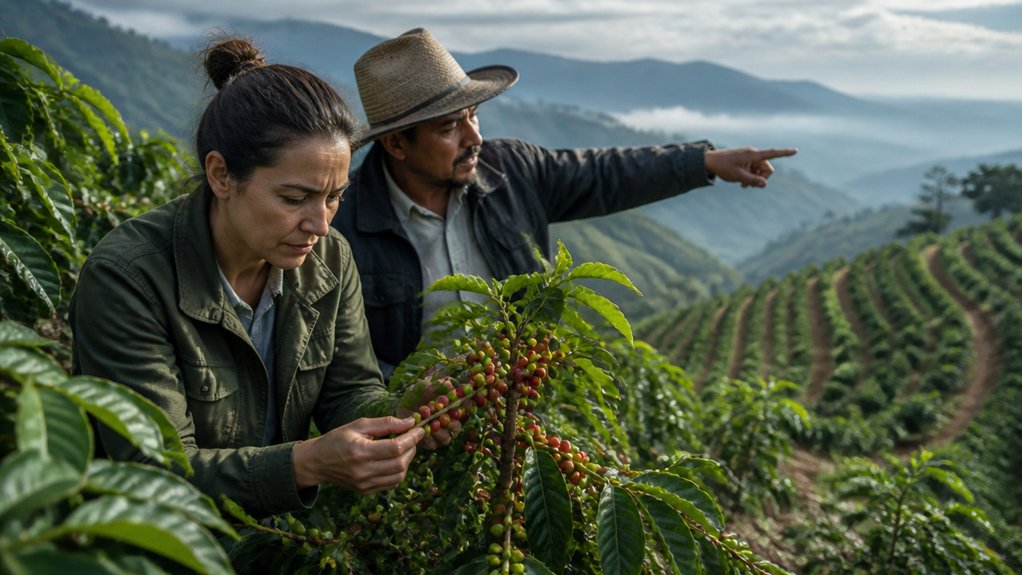
As temperatures and rainfall patterns shift, growing seasons can start earlier, end later, or become less predictable. You’ll need sourcing plans that respond to regional crop calendars, not just historical delivery windows. Track planting dates, harvest forecasts, and yield signals across supplier regions, then update contracts and inventory buffers before shortages emerge. Diversify origins so a weather-driven delay in one basin doesn’t halt production, and qualify alternate suppliers early enough to meet volume and traceability requirements.
Work with growers to align procurement with local adaptation. Crop rotation and soil health practices can improve resilience, but their effects vary by location and season. Use farm-level data to assess progress, and build flexible specifications and delivery schedules into agreements. By 2027, scenario planning tied to climate and crop data can help you shift volumes quickly while preserving dependable supply and farmer partnerships.
Protect Beverage Quality as Crops Change
Flexible sourcing protects volume, but climate shifts can also change the flavor, color, acidity, and composition of beverage crops. To maintain consistent products, you’ll need specifications that capture sensory and functional traits—not just grade and yield. Track markers such as sugar content, oil concentration, pigment levels, and moisture at intake, then connect results to origin and harvest conditions. This data helps you identify which lots need blending, processing adjustments, or separate product formulations. Build Crop resilience by partnering with growers on varieties and practices that preserve desired traits under heat, drought, and irregular rainfall. For Quality preservation, set acceptance ranges, test incoming crops consistently, and validate how processing affects flavor and stability. You’ll protect brand standards while adapting recipes deliberately, rather than letting changing raw materials quietly reshape what customers expect.
Use Forecasts to Prepare for Disruptions
Map climate risk across your sourcing regions using hazard forecasts and supplier data. Model crop scenarios to quantify potential yield, quality, and lead-time impacts. Then plan supply alternatives before disruptions constrain your options.
Map Climate Risk
Where could the next climate disruption hit your supply chain? Map exposure from farm to facility before drought, heat, or flooding constrains supply. Geocode growing regions, then overlay climate projections with crop calendars, water stress, yield histories, and transport routes. This view helps you identify concentrated sourcing, vulnerable watersheds, and ports or roads that could bottleneck deliveries.
Use forecasts at the basin and regional levels to rank risks by likelihood, severity, and lead time. Track indicators such as soil moisture, reservoir levels, and seasonal rainfall against clear procurement thresholds. Then work with growers on practical responses: Innovative irrigation can reduce water pressure, while Crop geneticists can guide resilient variety choices. Assign owners, review risk maps each season, and update them as forecasts change. You’ll spot weak links sooner and direct investment where it can protect supply.
Model Crop Scenarios
How much crop supply could a heat wave, drought, or late frost put at risk? Crop modeling helps you quantify that exposure before it reaches your beverage portfolio. Combine historical yields, weather records, planting calendars, and climate projections to estimate how each growing region may perform under different conditions. Then test scenarios across key ingredients, from barley and hops to citrus and coffee, measuring potential changes in volume, quality, and harvest timing.
Use scenario planning to compare moderate, severe, and compound events against procurement forecasts for 2027 and beyond. Update assumptions as seasonal outlooks and field data change; don’t treat a single forecast as certainty. By translating climate signals into ranges of likely crop outcomes, you can set clearer risk thresholds, inform budget decisions, and give teams time to respond before disruptions affect production schedules.
Plan Supply Alternatives
When forecasts signal a crop shortfall, can you shift supply before production is at risk? Build a response plan around forecast confidence, supplier lead times, and ingredient specifications. If drought threatens citrus yields, for example, qualify suppliers in different growing regions and secure backup volumes before spot markets tighten. Set clear triggers—such as projected yield declines or price thresholds—for activating alternatives, and test substitutes in production runs well ahead of need.
You can also adjust formulations, sourcing windows, or pack sizes to protect availability without compromising quality. Innovative packaging may help preserve product integrity when alternative ingredients behave differently or travel farther. Pair changes with Consumer education: explain sourcing shifts plainly, reinforce quality standards, and give customers time to adapt. Review the plan each season with procurement, operations, and marketing. Forecasts become useful when you connect them to approved options, decision owners, and timely action.
Build Resilience Without Losing Consumer Trust
Climate-proofing your supply chain can protect availability, but abrupt sourcing changes or unexplained price increases may undermine consumer trust. As you diversify agricultural inputs, explain what’s changing, why it matters, and how you’ll maintain product quality. Clear, timely communication helps consumers understand climate-driven adjustments rather than interpret them as cost-cutting or inconsistency.
Use Consumer engagement to test messages and learn which attributes—origin, flavor, certifications, or price—matter most across markets. Share verifiable progress, such as supplier standards or measurable water and emissions improvements, without overstating results. If weather shocks affect ingredients, provide practical updates before shelves or menus change.
You can preserve Brand loyalty by keeping familiar products recognizable, labeling substitutions transparently, and aligning any price changes with clear value. Track sentiment, complaints, repeat purchases, and willingness to pay; these signals show whether your resilience measures are earning trust.
Choose Your Top Supply-Chain Priorities for 2027
With consumer trust as a guardrail, set your 2027 supply-chain priorities by ranking risks against their likely impact on cost, availability, quality, and emissions. Start with exposed crops: map supplier locations, water stress, yield variability, and harvest timing to identify where climate shocks could disrupt key ingredients. Then quantify each risk using scenario analysis, including price volatility, lead-time changes, and the cost of backup sourcing. Prioritize actions that protect both continuity and credibility, such as diversifying origins, contracting with climate-smart growers, and improving traceability. Track measurable targets for Sustainable packaging and renewable energy alongside agricultural resilience; these choices can reduce emissions while strengthening supplier relationships. Assign owners, budgets, and quarterly milestones, and revisit rankings as forecasts change. You’ll focus investment where it delivers the greatest protection before 2027.


