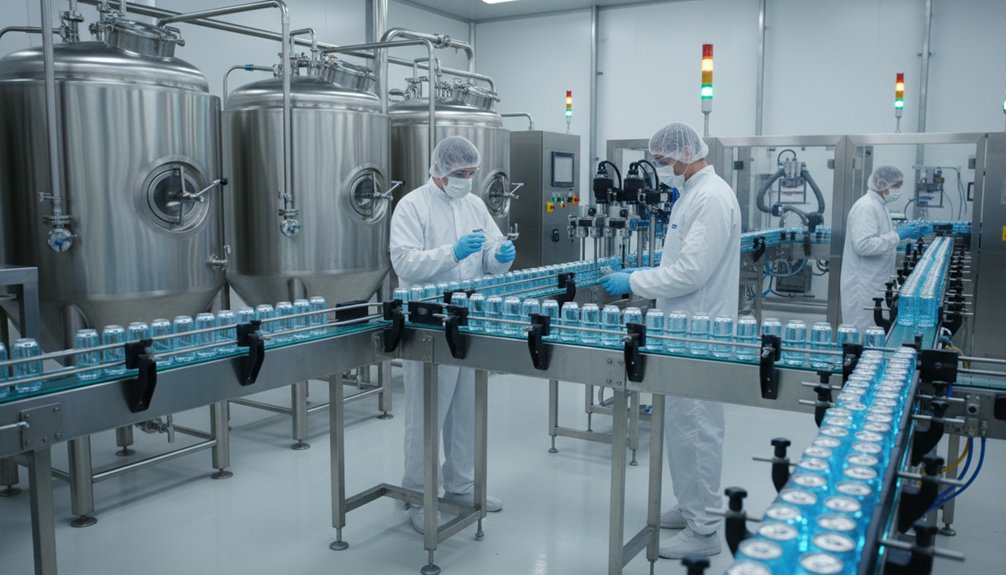
To manufacture energy drinks safely and consistently, you’ll control each stage, from ingredient selection and supplier verification to formula testing, water treatment, and blending. You’ll validate processing conditions, monitor caffeine, pH, soluble solids, carbonation, and microbial safety, then verify fill levels and package seals. Accurate labels, traceable records, and controlled storage protect compliance and product quality. As demand grows, you’ll increase production gradually, reviewing results across multiple runs before changing capacity. The steps ahead explain how to apply these controls.
What Are the Main Steps in Energy Drink Production?
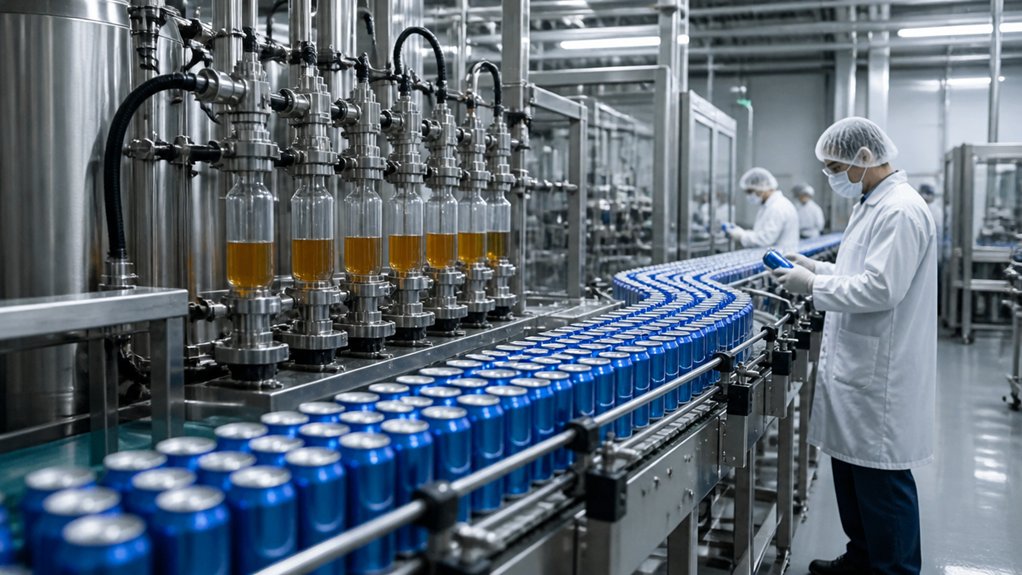
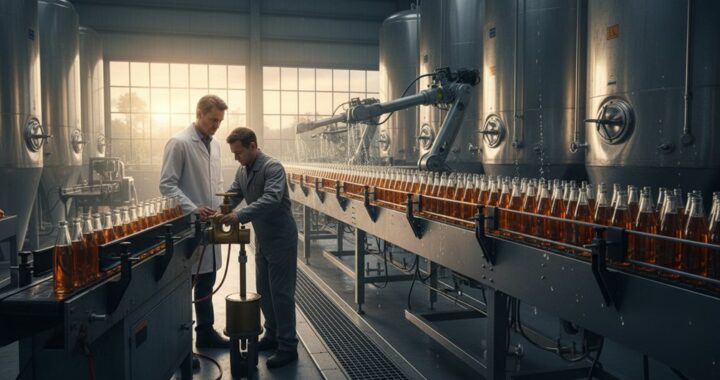
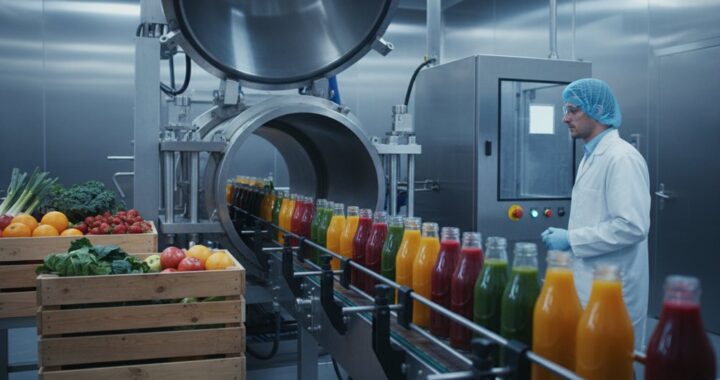
Energy drink production starts with formula development, where manufacturers select ingredients and set target levels for caffeine, sweeteners, acids, and flavorings. Next, you establish process specifications and prepare a controlled production plan. Operators blend the formula in sanitary tanks, then apply validated heat treatment or another suitable preservation method. The beverage moves through quality checks for composition, microbial control, and sensory consistency before filling. Automated lines rinse, fill, and seal cans or bottles, while in-process monitoring tracks fill volume, closure integrity, and line performance. You then code containers for traceability and inspect finished units against release criteria. Innovative packaging can support product protection and shelf-life goals while reflecting Consumer preferences. Finally, you palletize, store, and distribute approved products under defined conditions, maintaining records that let you verify each production batch.
Select Ingredients for Safe, Effective Energy Drinks
To select ingredients for a safe, effective energy drink, you need to balance intended effects, consumer needs, and regulatory limits. Start by defining the product’s purpose, such as alertness, hydration, or sustained energy. Then choose functional ingredients with evidence-supported roles and specify amounts that fit applicable limits and your target serving size.
Caffeine can support alertness, but you should control its total dose and account for all caffeine sources. Pair it thoughtfully with ingredients such as taurine, B vitamins, or electrolytes; don’t imply benefits beyond available evidence. Assess interactions, stability, solubility, flavor, and compatibility with your processing conditions.
Use consumer preferences to guide sweetness, flavor, and dietary positioning. Natural alternatives, including stevia or fruit-derived flavors, may suit some formulations, but evaluate taste and performance. Document ingredient specifications and confirm label requirements before finalizing the formula.
Verify Energy Drink Ingredient Suppliers
Verify each supplier before approving an ingredient for production. Effective supplier verification confirms that your ingredient sourcing meets safety, quality, and regulatory requirements. Request current specifications, certificates of analysis, allergen declarations, and documentation of origin for every material. Check that each certificate identifies the tested lot and reports results against your acceptance criteria. Confirm suppliers follow applicable food-safety regulations and maintain documented controls for contamination, traceability, and change management.
Assess manufacturing sites, not just sales contacts. Review audit reports, certifications, recall history, and corrective-action records; investigate gaps before qualification. For higher-risk ingredients, arrange an audit or independent testing to verify identity, purity, and contaminant limits. Establish written agreements covering notification of process or source changes, record retention, and complaint handling. Reassess approved suppliers periodically using performance data, deviations, and updated risk reviews. Keep approval records accessible so your team can trace each ingredient lot to its qualified source.
Develop and Test the Energy Drink Formula
Select functional ingredients to meet your target effects, dosage, and regulatory requirements. Balance flavor, sweetness, acidity, and nutritional content so the drink meets its specifications. Test the formula for stability, sensory acceptance, and performance under intended storage conditions.
Select Functional Ingredients
Once you’ve defined the drink’s target effects, choose functional ingredients that support them and fit your product’s safety, taste, and regulatory requirements. Select each active by its intended role, evidence base, effective dose, and compatibility with your manufacturing process. Caffeine can support alertness, while taurine or B vitamins may serve specific formulation goals; don’t assume an ingredient’s presence guarantees a measurable benefit. Evaluate Herbal extracts for standardized active compounds, supplier documentation, contaminants, and batch-to-batch variability. Check ingredient interactions, solubility, stability, and performance under your planned processing and storage conditions. Confirm that proposed doses comply with regulations in every target market, and review permitted claims before development proceeds. Obtain certificates of analysis and verify identity, purity, and potency through qualified testing. Natural sweeteners may be included, but assess their regulatory status and technical suitability early.
Balance Flavor and Nutrition
As you develop the formula, balance the functional ingredients’ effective doses with sweetness, acidity, bitterness, and mouthfeel. Set target concentrations for caffeine, vitamins, electrolytes, and other actives, then account for their taste and solubility. Flavor balancing starts with selecting compatible sweeteners, acids, and flavor compounds; adjust each component to mask bitterness without making the drink cloying or sharply sour. Consider how carbonation and serving temperature affect perceived sweetness, aroma, and body. Nutritional optimization means meeting intended nutrient levels while controlling calories, sugar, and ingredient interactions. Check that the chosen pH supports flavor stability and that minerals or botanical extracts don’t create haze, sediment, or metallic notes. Record each adjustment and its rationale so you can reproduce the intended sensory profile and nutritional composition at production scale.
Validate Formula Performance
How well does the formula perform under real production and storage conditions? Validate it through pilot batches before scaling up. You’ll assess ingredient dispersion, mixing time, carbonation, pH, and fill accuracy against defined specifications. Test samples for microbial safety, nutrient retention, color, aroma, and taste at release and throughout shelf life. Accelerated and real-time studies can reveal separation, sedimentation, oxidation, or flavor drift before these defects reach consumers.
Use sensory panels to confirm that Flavor enhancement strategies preserve the intended profile without masking off-notes. Check how processing heat and light affect sensitive vitamins, caffeine, and sweeteners. Evaluate Packaging innovations for oxygen and light barriers, seal integrity, and compatibility with the beverage. Record results, investigate deviations, and adjust the formula or process. You’ll scale up only when repeatable trials meet safety, quality, and stability targets.
Prepare Water and Blend the Ingredients
Start with potable water that meets the plant’s specifications, then filter and treat it to control particles, minerals, and microbial load. Your Water purification system may combine carbon filtration, softening, reverse osmosis, or ultraviolet treatment, depending on source-water analysis and product requirements. Verify key parameters, including conductivity, hardness, and microbial counts, before blending.
Confirm ingredient sourcing and inspect each lot against approved specifications. Weigh concentrates, sweeteners, acids, flavors, caffeine, and functional ingredients using calibrated equipment. Add them in a validated sequence to a clean mixing vessel, maintaining the specified water temperature and agitation. Pre-dissolve powders when needed to prevent clumping, then allow adequate mixing time for uniform distribution. Monitor pH, soluble solids, and batch temperature against formula limits. Record additions, lot numbers, measurements, and deviations in the batch record. Hold the blend for quality review before transfer to the next processing stage.
Carbonate, Fill, and Seal Each Batch
Once the blend passes quality review, chill it to the specified carbonation temperature and carbonate it to the target CO₂ level, monitoring pressure and dissolved gas. This controlled carbonation process helps you achieve consistent effervescence while limiting foam and product loss. Transfer the carbonated beverage through closed, sanitized lines to the filler, keeping temperature and pressure stable to retain CO₂. Set fill volume and line speed for the container format, then use counter-pressure filling to reduce foaming and oxygen pickup. Coordinate filling with container supply so each can or bottle receives a uniform charge without disrupting flow. Apply the closure immediately after filling. Choose sealing technology suited to your package, such as a seamed can end or capped bottle, and maintain consistent closure settings. This protects carbonation and limits leakage during handling and storage.
Test Finished Energy Drinks for Quality and Safety
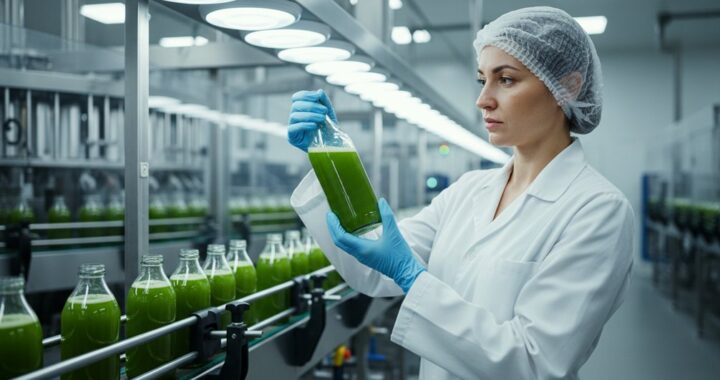
After sealing, test representative cans or bottles from each batch against release specifications before distribution. Check fill volume, net contents, seam or closure integrity, and container condition. Measure pH, Brix, carbonation, and dissolved oxygen to confirm consistency and stability. Verify Caffeine content with a validated analytical method, and assess microbiological safety using appropriate sampling and testing protocols. Compare results with approved batch limits; don’t rely on appearance or taste alone.
Inspect packaging innovations, such as new can linings or closures, for compatibility with the formula and resistance to leakage, corrosion, or flavor transfer. Review instrument calibration, sampling records, and test results, then document any deviations. If a result falls outside specification, hold the batch, investigate the cause, and retest only under your quality procedures. Release product only after authorized personnel confirm all criteria are met.
Meet Energy Drink Labeling and Regulatory Rules
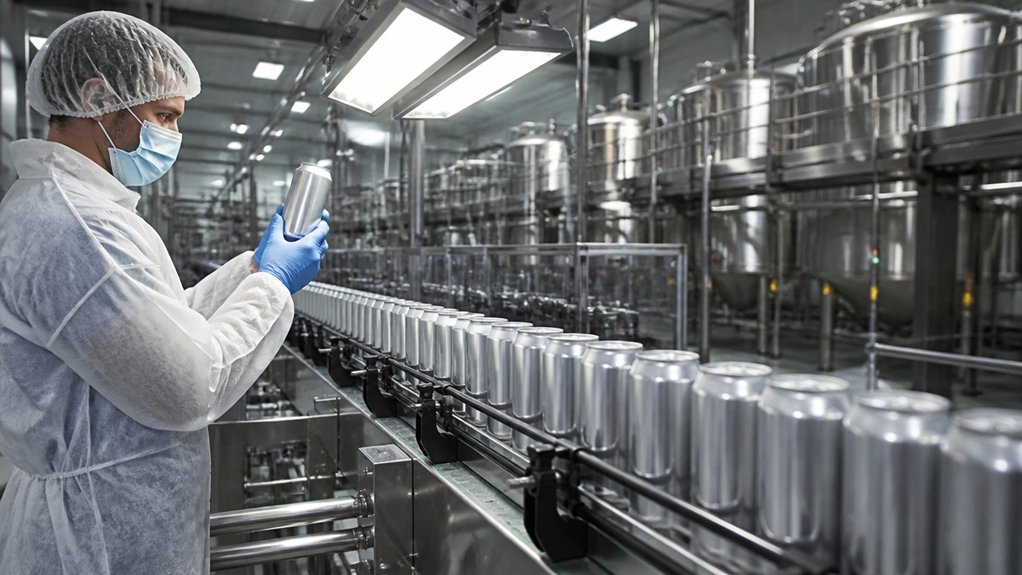
You must verify that each label accurately declares ingredients, caffeine content, serving size, and required warnings. Check the rules in every market where you sell, since labeling and formulation requirements vary by jurisdiction. Maintain compliance records and review labels whenever regulations or product specifications change.
Labeling Requirements
Because energy drink formulas can contain caffeine, vitamins, and other functional ingredients, their labels must accurately identify the product and disclose required information. You’ll need to present the product name, net quantity, manufacturer or distributor details, and a complete ingredient list in the required order. Nutritional labeling should provide accurate serving sizes, calories, and nutrient amounts, including caffeine where applicable. Ingredient transparency helps consumers assess sweeteners, additives, allergens, and functional compounds before purchase. You should verify that every label claim, such as “sugar-free” or “high in vitamin B12,” matches the finished product’s composition and meets applicable criteria. Use legible type, adequate contrast, and clear placement so consumers can find key details. Maintain controlled label versions and review artwork against the formula and package specifications before printing to prevent mismatches.
Regulatory Compliance
Regulatory compliance extends beyond label accuracy: you must determine how each market classifies your energy drink and meet the rules that apply to its ingredients, manufacturing, safety, claims, and sale. Classification can affect whether regulators treat your product as a conventional food, dietary supplement, or another category, changing your obligations. Check local caffeine regulation for permitted levels, required warnings, and disclosure rules; don’t assume one market’s limits apply elsewhere. Verify ingredient approvals, supplier documentation, facility controls, and testing procedures against applicable food-safety requirements. Substantiate health, performance, and energy claims with reliable evidence, and follow advertising guidelines across packaging, digital campaigns, and endorsements. You’ll also need to maintain traceability, complaint records, and procedures for reporting serious adverse events where required. Review regulations before launch and whenever you change formulations, claims, or target markets.
Package and Store Energy Drinks Safely
Once the formula is stable, hygienic packaging and controlled storage help preserve an energy drink’s quality and safety. Before filling, you should sanitize product-contact surfaces and verify that containers, closures, and seals meet food-grade specifications. Select packaging that limits oxygen and light exposure, since both can degrade sensitive ingredients and alter flavor. Packaging innovations, such as high-barrier cans and tamper-evident closures, can strengthen protection when they suit your formulation and distribution needs. Validate fill volume, seam integrity, and closure torque, then inspect finished units for leaks or defects. Define Storage conditions according to product stability data: control temperature, humidity, and light, and keep stock away from chemicals and direct heat. You should monitor warehouse conditions, rotate inventory by date, and retain traceability records. Clear handling instructions help protect quality through delivery.
Scale Up Without Losing Consistency
To preserve product consistency as you scale, standardize your formula, ingredient specifications, and mixing parameters. Validate each production batch against defined quality limits before release. Expand capacity gradually, confirming that new equipment and processes maintain those limits.
Standardize the Formula
As production scales, a standardized formula helps each batch deliver the same flavor, potency, and quality. Document every ingredient by specification, supplier, concentration, and permitted tolerance. Define the order of addition, mixing time, temperature, and hydration conditions so operators can reproduce the formula across equipment sizes. Calculate scale-up quantities by weight, not volume, and account for ingredient potency, moisture, and processing losses. Lock critical ratios for caffeine, acids, sweeteners, flavors, and functional ingredients; even small changes can shift taste, solubility, or delivered dose. Keep approved formula versions under controlled revision, with clear change authorization and traceable records. You can pursue Flavor innovation through planned reformulation, while marketing strategies should reflect the product’s actual composition. A precise master formula gives your team a reliable production standard as output grows.
Validate Production Batches
Before releasing a scaled-up run, validate that it matches the approved formula and process. Compare ingredient weights, addition sequence, mixing times, temperatures, and processing records with your master specifications. Test representative samples for pH, soluble solids, caffeine concentration, carbonation, and sensory attributes, using validated methods and calibrated instruments. Review results against established acceptance limits; investigate deviations before approving the batch. Check fill volume, package integrity, coding, and finished-product documentation to confirm that manufacturing controls performed as intended. Trend results across production runs to detect variation that individual tests might miss. This evidence supports quality assurance and demonstrates batch consistency, not just a passing result on one measure. Retain samples and complete traceable records so you can verify decisions, support audits, and identify potential issues after release.
Expand Capacity Gradually
Validated batches provide the benchmark for increasing energy drink output without changing product quality. When you scale, raise production volume in controlled increments rather than making simultaneous changes to equipment, ingredients, or process settings. Confirm that larger runs maintain validated mixing times, fill accuracy, carbonation, and thermal controls. Monitor critical process parameters and compare results with established specifications before approving each capacity increase.
Check that suppliers can meet higher ingredient demand without changing material quality or delivery reliability. You’ll also need to assess labor, sanitation, storage, and packaging capacity; bottlenecks can disrupt consistency even when the formulation stays fixed. Use trend data to guide expansion: Energy market trends and consumer preferences can inform forecasts, but don’t let demand pressure bypass quality controls. Document adjustments, investigate deviations, and expand further only after results remain consistent across successive production runs.