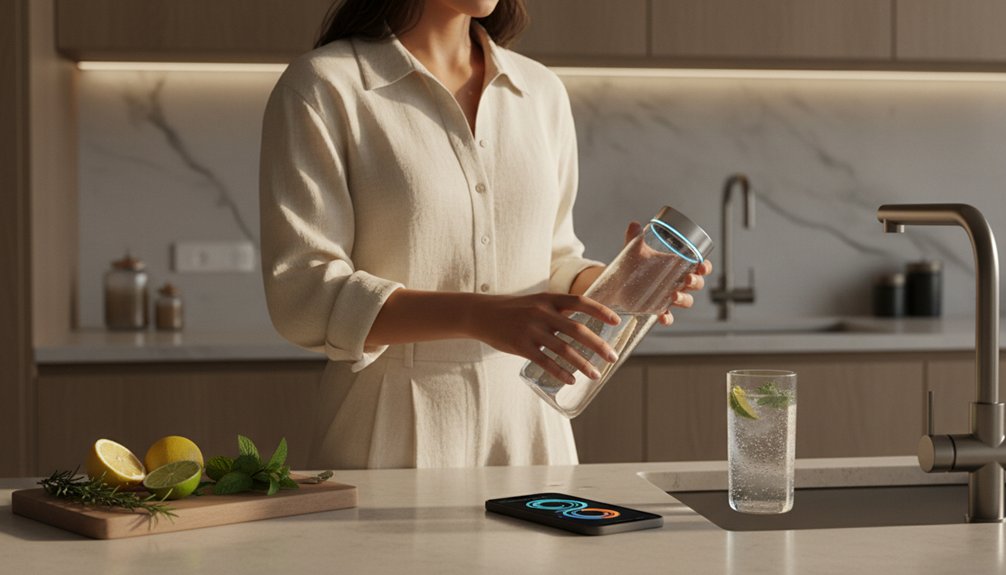
By 2026, AI could tailor hydration guidance to your activity, environment, body, and preferences, while helping brands refine drinks and predict refills. Wearables and self-reports can inform these recommendations, but they estimate fluid needs rather than directly measuring whole-body hydration. Your results depend on sensor accuracy, data quality, and context, so treat advice as guidance—not diagnosis. Transparent privacy practices and evidence-based claims will shape consumer trust and market growth. The details reveal where personalization helps—and where caution matters.
What Is Personalized Hydration?
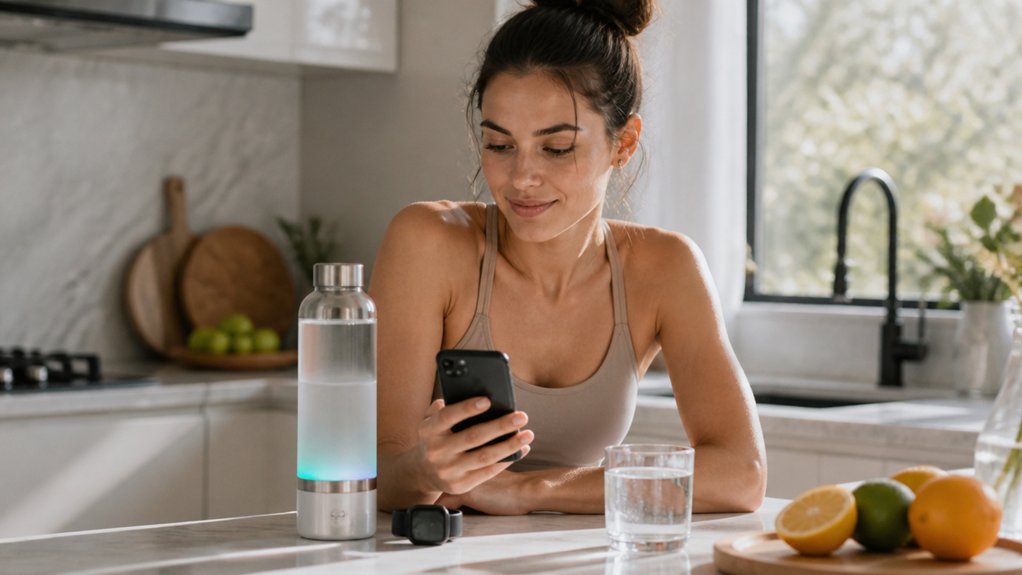
Personalized hydration tailors fluid and electrolyte intake to your body, activity, environment, and health needs rather than relying on a one-size-fits-all target. It treats hydration as a practical strategy, not a fixed daily quota or a promise of improved performance. You adjust fluids and electrolytes to support normal function and replace losses without overdrinking, which can also pose health risks.
For you, this approach challenges Hydration myths that everyone needs the same volume or that thirst always signals a problem. Historical practices, such as scheduled drinking during endurance events, helped shape today’s guidance but don’t fit every person or situation. Hyper-personalized products extend this principle through tailored recommendations, yet they should complement—not replace—clinical advice when illness, medication, or a medical condition affects fluid balance.
Which Data Shapes a Hydration Plan?
A useful hydration plan starts with data that explains how much fluid and sodium you lose and when those losses change. Your sweat rate, sweat sodium concentration, body mass, activity duration, and environmental conditions help quantify replacement needs. Record fluid intake and pre- and post-exercise weight under consistent conditions; repeated measurements reveal patterns better than one-off tests. Your diet, medications, health conditions, and thirst response also matter, especially when heat, altitude, or illness shifts fluid balance. AI can combine these inputs to tailor timing and electrolyte targets, but it shouldn’t treat estimates as prescriptions. Hydration myths, such as assuming everyone needs the same volume, obscure meaningful variation. Cultural practices, food choices, and access to fluids shape what you’ll follow, so a useful plan must fit your routine and remain adjustable as your needs change.
How Do Wearables Track Hydration?
Wearables estimate fluid loss with sweat sensors that measure sweat rate and, in some devices, electrolyte concentration. They may also track skin conductance, a signal influenced by sweat and temperature that isn’t a direct measure of hydration. You can combine these readings with activity and environmental data to inform hydration decisions, but treat them as estimates rather than diagnoses.
Sweat Sensor Technology
As sweat evaporates, wearable sensors can analyze its changing chemistry to estimate fluid and electrolyte losses. Microfluidic channels route sweat across electrodes or colorimetric reagents, where sensors quantify markers such as sodium, chloride, and lactate. You can pair those readings with sweat rate, skin temperature, activity, and environmental data to refine loss estimates. However, results depend on sensor placement, calibration, sweat flow, and individual variation; a patch reading isn’t a direct measure of whole-body hydration. Algorithms can translate repeated measurements into personalized prompts, but you should treat them as guidance, not diagnosis. Better sampling and validation against laboratory methods will determine commercial reliability. As historical trends show, consumer devices often overstate precision; Hydration myths can persist when brands present estimates as certainty. Look for transparent accuracy data and clear limitations.
Skin Conductance Signals
Beyond sweat chemistry, some wearables track skin conductance—the skin’s ability to carry a small electrical current, which changes with sweat-gland activity. Electrodes measure this response as conductance or its inverse, resistance. Because sweating supports thermoregulation, rising conductance may accompany heat exposure or exercise and offer context about fluid loss. However, Skin conductance isn’t a direct hydration measurement: temperature, electrode contact, movement, and an emotional response can also shift readings. You should treat it as one signal, not a standalone hydration verdict. For reliable tracking, devices need stable skin contact, calibrated sensors, and algorithms that account for activity and environmental conditions. In practice, conductance can complement sweat-rate or temperature sensors, helping wearables interpret physiological changes while acknowledging uncertainty. That distinction matters when products translate sensor signals into personalized hydration guidance.
Hydration Data Insights
When sensors capture changes in sweat rate, skin temperature, conductance, and movement, algorithms combine those signals with activity and environmental data to estimate fluid loss. Your wearable can then translate that estimate into timely drinking prompts, but it doesn’t directly measure total body water or diagnose dehydration. Accuracy depends on sensor placement, calibration, individual physiology, and conditions such as heat and humidity. You’ll get more useful guidance when the device learns your baseline across workouts and compares trends, rather than treating one reading as definitive. Pair its estimates with thirst, exercise duration, and recovery data; seek clinical advice when symptoms warrant it. This context also helps brands challenge Hydration myths with transparent evidence. For beverage branding, personalized insights can support relevant recommendations, provided claims distinguish modeled estimates from validated measurements.
How Does AI Personalize Hydration Advice?
AI builds your hydration profile from factors such as body size, activity, environment, and wearable data. It analyzes incoming signals in real time to estimate changing fluid needs, though these estimates depend on sensor accuracy. Based on those estimates, it can adjust drinking recommendations as your conditions change.
Individual Hydration Profiles
Your hydration profile starts with measurable inputs—body size, age, activity, climate, health conditions, and, when available, sweat rate and electrolyte loss. AI models combine these factors with your goals and routine to estimate fluid and sodium needs, then translate estimates into practical guidance. Recommendations should account for uncertainty: sweat composition varies, and population averages can’t precisely predict your requirements. You’ll get more useful advice when you log intake, exercise duration, and symptoms consistently, while a clinician should guide changes if you have kidney, heart, or other relevant conditions. A profile can also challenge Hydration myths, such as assuming everyone needs eight glasses daily, and inform Beverage packaging choices, including serving size and electrolyte content. Treat outputs as adaptable estimates, not diagnoses or fixed prescriptions.
Real-Time Data Analysis
As data streams in, AI can adjust hydration advice by combining wearable signals—such as activity, heart rate, and skin temperature—with fluid intake, local weather, and your schedule. These inputs help models estimate changing fluid needs, though sensor readings remain proxies, not direct measures of hydration status. When you connect compatible devices and log drinks, the system can compare patterns over time, flag unusual changes, and account for factors such as heat exposure or a demanding workout. That context can shape Hydration frequency and flavor customization, making guidance more relevant to your routines and preferences. Data quality matters: missing entries, device error, and individual variation can skew estimates. Transparent settings let you review what the system uses, correct inaccurate records, and control data sharing—so personalization rests on information you trust.
Adaptive Drinking Recommendations
How does AI turn changing data into practical hydration advice? It combines your fluid intake, activity, climate, and—when available—sweat or wearable signals to estimate needs throughout the day. Rather than prescribe a universal target, an adaptive system adjusts timing and amounts as conditions change, then delivers prompts through an app or connected device. You can log drinks and symptoms, helping the model refine recommendations over time.
Reliable guidance still depends on validated inputs and clear uncertainty. Algorithms should account for medical conditions, medications, and individual variation, and avoid implying that thirst alone or a fixed volume suits everyone. They can also challenge Hydration myths with evidence-based explanations, while reflecting beverage trends such as low-sugar options. For brands, this creates useful personalization—but recommendations must prioritize safety, transparency, and user control over product promotion.
When Do Personalized Hydration Products Help?
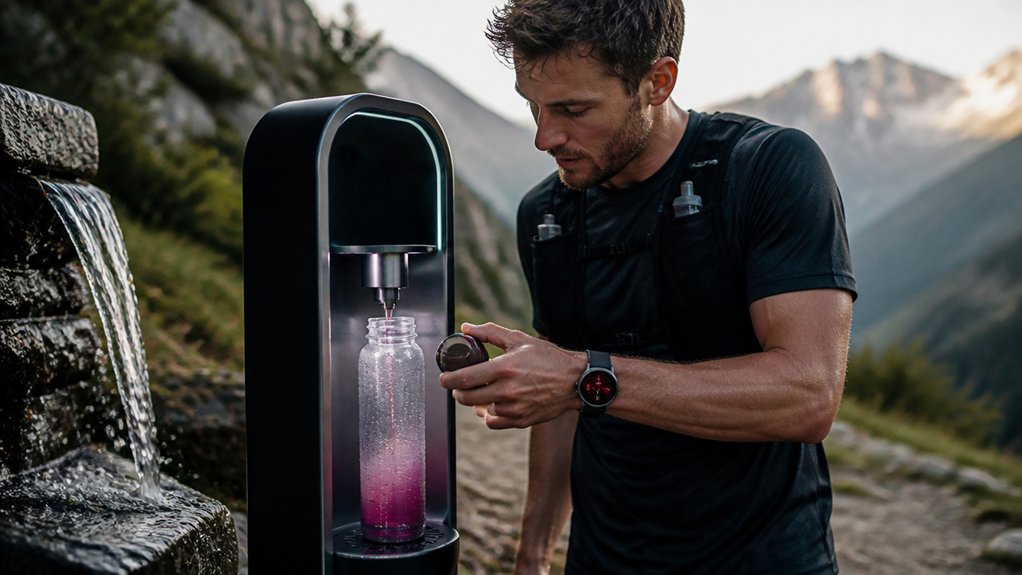
Personalized hydration products help most when your fluid or electrolyte needs differ meaningfully from standard recommendations—for example, during prolonged exercise, heavy sweating, heat exposure, or recovery from significant fluid loss. In these settings, matching intake to sweat losses and activity duration can support performance and reduce dehydration risk. You’re less likely to benefit during routine daily activity if you already drink to thirst and eat a balanced diet. Needs vary with body size, climate, workload, and health; one formula won’t suit everyone. Evidence also doesn’t support treating urine color or thirst as precise diagnostic tools. Check product claims against credible research, not Hydration myths or beverage branding. If you have kidney or heart disease, take medications affecting fluid balance, or face persistent symptoms, consult a clinician before changing electrolyte intake.
How Do Brands Personalize Drinks and Refills?
Brands can use AI models to translate your stated goals, activity data, and taste preferences into drink formulas, though recommendations depend on the quality of those inputs. They can also tailor refill plans to your consumption patterns and delivery preferences. You’ll get the most useful personalization when brands explain how they use your data and let you adjust both formula and cadence.
AI-Powered Drink Formulas
AI-powered drink formulas turn hydration data into tailored recipes and refill recommendations. Brands can combine your stated preferences with activity, climate, and consumption data to adjust flavor, sweetness, electrolytes, and functional ingredients. You’ll get a recipe matched to defined targets, not a medical diagnosis: wearable readings and self-reports vary in accuracy, so responsible systems disclose limits and let you review inputs. Models can test ingredient combinations against sensory feedback, supporting Flavor innovation while keeping formulations within safety, labeling, and manufacturing constraints. Your feedback helps refine taste profiles over time, while human nutrition and quality teams validate proposed changes before production. Formula design also affects Packaging sustainability: concentrated mixes, recyclable containers, and refillable formats can reduce material use, but brands should verify lifecycle impacts rather than assume every personalized option has a smaller footprint.
Personalized Refill Plans
When your usage patterns change, refill plans can adjust order timing, pack size, and delivery frequency using purchase history, stated preferences, and optional connected-device data. You can set consumption goals, flag travel dates, and pause shipments, while algorithms estimate depletion from past orders rather than assuming every day looks alike. Brands may combine those signals with weather or activity data, but should explain what they collect and let you opt out. Refill reminders work best when you can confirm, skip, or modify an order; otherwise, inaccurate forecasts can create unwanted stock and subscription churn. Transparent controls also distinguish useful personalization from beverage branding that overstates health benefits. Clear serving guidance helps counter Hydration myths, while refill recommendations remain grounded in your selected product, measured usage, and practical delivery preferences.
What Benefits Can Personalized Hydration Deliver?
By matching fluid and electrolyte intake to your activity, environment, and individual needs, personalized hydration can help you maintain performance while reducing the risks of both dehydration and overhydration. During prolonged exercise or heat exposure, replacing fluid and sodium losses can support thermoregulation and endurance. In everyday settings, tailored prompts may help you build consistent drinking habits without treating a fixed volume as universal. You can also choose formats and flavors that fit your routine, making adherence easier; beverage aesthetics may strengthen product appeal, but they shouldn’t substitute for functional value. Clear, individualized guidance can challenge Hydration myths, such as the idea that everyone needs the same daily intake. For brands and employers, personalization can improve engagement and product relevance while supporting measurable wellness programs. The benefit is practical fit, not a promise of superior health outcomes.
How Accurate Is Personalized Hydration Advice?
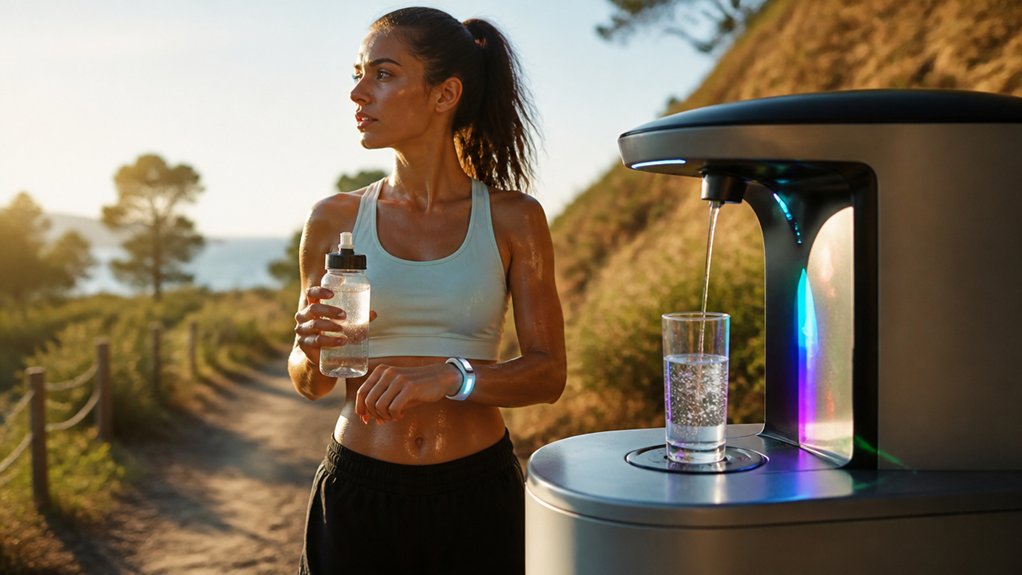
Personalized hydration advice is only as accurate as the data and assumptions behind it. Algorithms can estimate fluid needs from body mass, activity, climate, and sweat loss, but estimates aren’t measurements. Wearables may infer sweating from skin temperature or heart rate; neither reliably quantifies fluid deficit. Your needs also shift with illness, medication, pregnancy, and acclimatization, so a fixed daily target can mislead.
Treat recommendations as starting points, not prescriptions. For most healthy adults, thirst and pale-yellow urine offer practical cues; prolonged exercise or heat exposure may warrant individualized electrolyte guidance. Hydration myths, such as everyone needing eight glasses daily, obscure meaningful variation. Cultural influences—including customary beverages, foods, and fasting practices—also shape intake and what advice feels usable. Check whether a tool explains uncertainty, validates its methods, and adapts recommendations to your context.
Who Controls Your Hydration Data?
If a hydration app syncs with a wearable, your data may pass through several companies before shaping a recommendation. Your wearable maker, app provider, cloud host, and analytics vendors may each handle identifiers, activity signals, or inferred fluid needs. Check who acts as data controller, which parties process information, and whether consent covers sensitive health inferences—not just step counts.
Read retention and deletion terms, export your records, and revoke permissions you no longer need. Encryption protects data in transit and at rest, but it doesn’t prevent authorized partners from using it under contract. Ask whether the service sells, shares, or uses your profile for advertising or beverage branding. Treat claims that data can debunk Hydration myths cautiously: algorithms can reproduce weak evidence, and your privacy choices should remain yours.
How Could Hydration Personalization Change the Market?
As hydration platforms turn wearable signals and user profiles into tailored recommendations, they could shift competition from selling drinks by category to selling outcomes, convenience, and ongoing subscriptions. For you, that might mean electrolyte guidance adjusted for activity, climate, and health goals—not a one-size-fits-all formula. Brands could use this data to refine product portfolios, forecast demand, and test formulations faster, while retailers might offer replenishment based on predicted use. Hydration marketing would increasingly rely on measurable utility and transparent evidence, rather than broad wellness claims. Yet personalization won’t guarantee loyalty: inaccurate sensors, weak recommendations, or opaque data practices could erode trust. Consumer preferences will also shape adoption, especially around taste, price, privacy, and ease of use. Companies that validate recommendations and explain their limits could build durable relationships; those that overpromise may invite regulatory scrutiny and churn.


