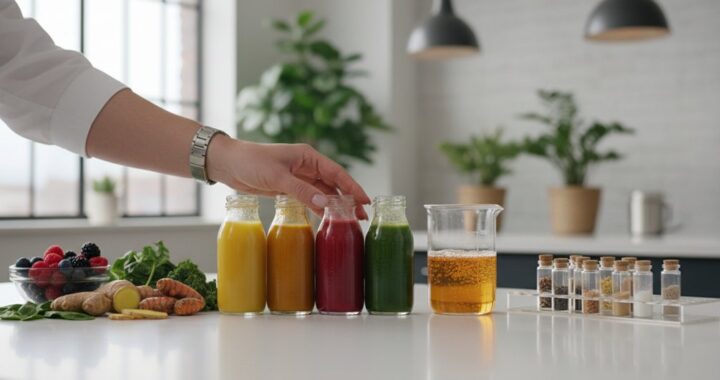

To create a beverage that stands out, start by identifying customers whose needs and buying habits fit your goals. Give them a clear, meaningful reason to choose your drink, then develop a distinctive flavor and test it with target buyers under realistic conditions. Make packaging easy to recognize and use, and support your product claims with evidence. Tell a specific, credible brand story across every channel. Customer feedback can help you refine your offer, earn loyalty, and uncover what to improve next.
Find the Right Customers for Your Drink

A great beverage can still miss the mark if it’s aimed at the wrong people. Before you invest in production or promotion, identify who’s most likely to buy your drink and why. Your Target audience should reflect real needs, habits, and purchasing power—not assumptions about who might enjoy it.
Use Market segmentation to divide potential customers into meaningful groups based on factors such as age, location, lifestyle, and buying behavior. Then assess which group offers the strongest fit for your resources and sales goals. Look at existing research, study competing products’ customers, and speak directly with prospective buyers. Ask when they’d drink your beverage, where they’d shop, and what influences their choices. These answers help you focus your outreach, choose relevant sales channels, and avoid spending on audiences unlikely to convert. Revisit your findings as customer behavior shifts.
Define Your Beverage’s Point of Difference
Once you know who you’re serving, define why they should choose your beverage over the alternatives. Your point of difference should solve a meaningful customer need, not simply sound original. Identify what your audience values—convenience, transparency, sustainability, or a sense of belonging—and connect that priority to a benefit your product can credibly deliver. Then examine competing drinks: Which needs do they overlook, and where can you offer a clearer advantage?
Build that distinction into every customer touchpoint. Unique branding can make your promise recognizable through your name, packaging, and visual identity. Innovative marketing can communicate the benefit in relevant, memorable ways, from targeted partnerships to useful educational content. Keep your claims specific and supportable; vague promises weaken trust. A focused difference gives customers a reason to notice, remember, and choose your beverage.
Develop and Test a Memorable Flavor
Build a distinctive flavor that reinforces your beverage’s point of difference and gives customers a reason to remember it. Start with a clear sensory profile, then choose ingredients that deliver it. Test recipes with your target audience and refine them based on consistent feedback.
Define a Distinctive Flavor
Start with a clear flavor idea, then shape it into a balanced combination customers can recognize and remember. Choose a central taste that fits your audience and brand, such as bright citrus, roasted coffee, or botanical herbs. Build around it with a deliberate Flavor pairing: contrast sweetness with acidity, or complement fruit with spice. A Unique ingredient can give your beverage a signature, but it should support the main profile rather than overwhelm it. Consider aroma, texture, and finish alongside taste; customers experience flavor as a whole. Give each element a purpose, and keep the ingredient list focused so the defining notes remain clear. Your goal is a distinctive profile that feels coherent, easy to describe, and compelling enough to set your drink apart without relying on novelty alone.
Test and Refine Recipes
A distinctive flavor concept becomes a memorable beverage through careful testing and refinement. Start with a controlled base recipe, then adjust one variable at a time: sweetness, acidity, aroma, texture, or finish. This method helps you identify which changes improve balance and which obscure your signature taste.
Invite a diverse group of target customers to sample each version. Ask focused questions about flavor, aftertaste, and purchase appeal; don’t rely on compliments alone. Record responses, compare patterns, and refine the recipe accordingly. Consider Ingredient sourcing early, since seasonal availability and supplier consistency can affect both flavor and cost.
Finally, test your strongest formula under realistic serving conditions. Your findings can guide Marketing strategies, from product positioning to flavor descriptions. Keep refining until customers recognize the beverage, enjoy it, and want another sip.
Design Beverage Packaging That Stands Out
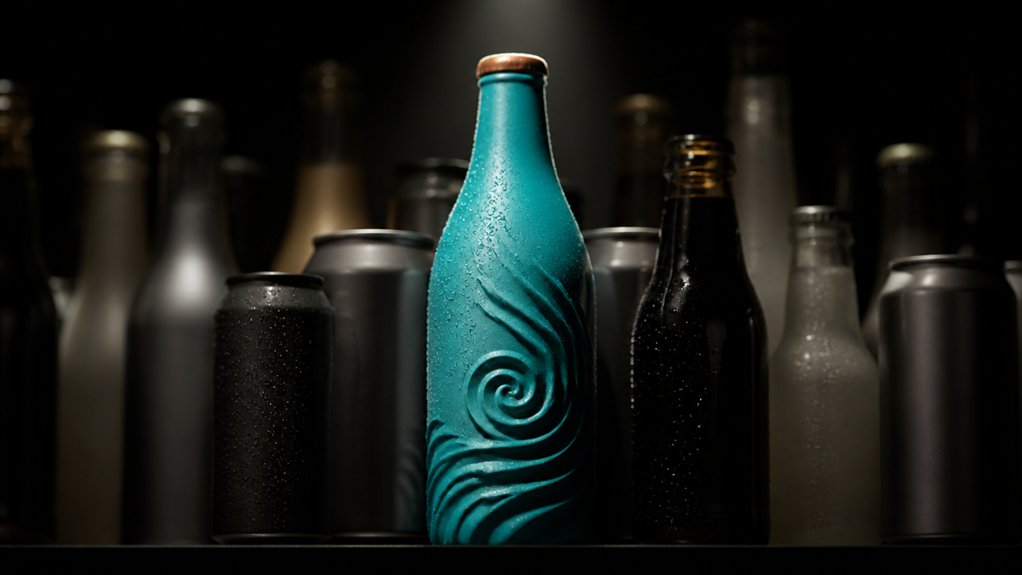
In a crowded cooler, packaging often makes the first impression before anyone tastes your beverage. Make that moment count with a clear visual hierarchy: your product name should be easy to spot, while flavor and key details remain readable at a glance. Innovative typography can distinguish your design, but don’t sacrifice legibility for novelty. Choose colors and shapes that stand apart from nearby products and still reproduce consistently across cans, bottles, and labels.
Your package also needs to work in customers’ hands. Check that it opens easily, feels comfortable to hold, and protects the beverage during storage and transport. Eco friendly materials can reduce environmental impact, but verify that they suit your product, supply chain, and local recycling systems. Before committing to a large run, test prototypes on shelves and gather feedback on visibility, usability, and durability.
Tell a Beverage Brand Story Customers Share
A compelling brand story gives customers a reason to choose your beverage—and something worth sharing. Build that story around a clear purpose: why you created the drink, what makes its ingredients distinctive, or which tradition inspired its flavor. Keep the details specific and credible; broad claims won’t help your brand stand apart.
Creative storytelling turns those facts into a memorable narrative. Show customers the people, place, or process behind each bottle, and use the same themes across your website, packaging, and social posts. Consistency makes your Brand personality recognizable, whether it feels playful, adventurous, or grounded in craft. Give customers a simple way to retell your story, such as a striking origin detail or a meaningful mission. When your narrative feels genuine and easy to repeat, people can share what makes your beverage different.
Use Customer Feedback to Build Repeat Sales
When you listen closely to customers, you can turn their experience into reasons to buy again. Ask buyers what they value, what disappoints them, and when they’d choose your beverage. Use short surveys, reviews, and conversations at retail events to gather specific, actionable insights.
Compare responses across your Target demographic to spot patterns, not just isolated preferences. If customers consistently request less sweetness or easier packaging, test a focused change before revising your full lineup. Then tell customers what you changed and why; visible follow-through builds trust and gives people a reason to return.
Use feedback to sharpen your Brand positioning, too. Learn which benefits customers remember and which alternatives they consider. Refine your messaging around proven strengths, track repeat purchases after each adjustment, and keep asking. This disciplined cycle turns customer insight into better products, stronger loyalty, and sustainable sales.