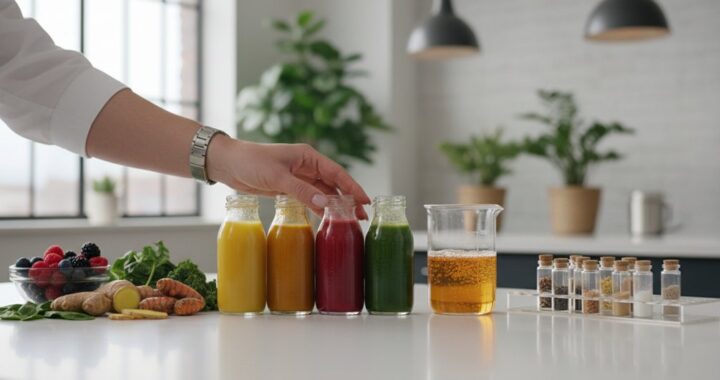
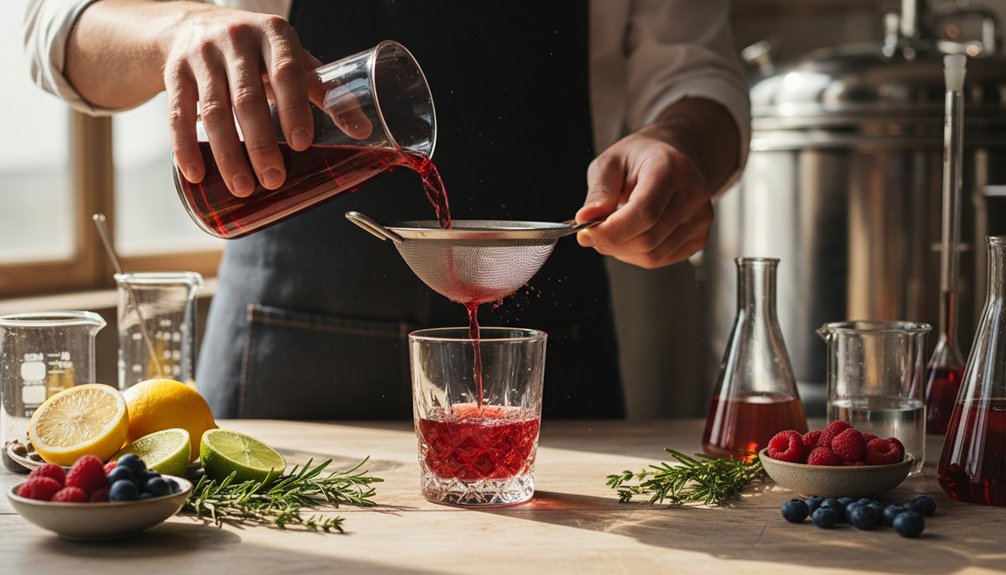
To take a beverage from concept to consumer, define your target customer and design a sensory profile that fits their needs. Validate demand before development, then select traceable ingredients and refine flavor, sweetness, aroma, and texture through controlled prototypes. Confirm safety, shelf life, and labeling compliance, and choose packaging that protects quality. Scale with precise specifications and quality checks. After launch, track sales and customer feedback to guide improvements; the steps ahead show how each decision shapes a market-ready drink.
Define Your Beverage and Target Consumer
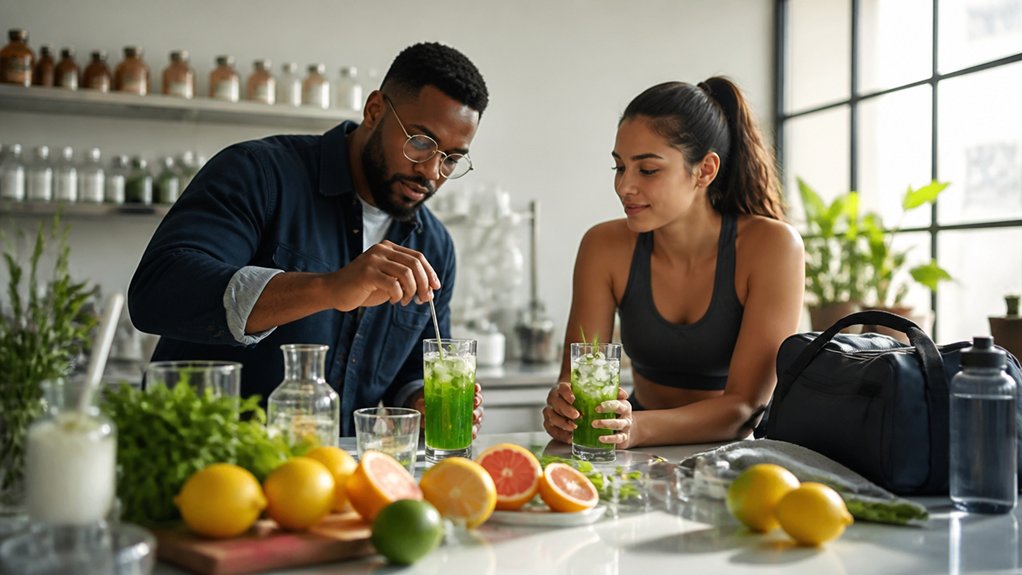
Before you develop a formula, define what your beverage should deliver and who it should delight. Picture your ideal drinker: their routines, taste preferences, and reasons for choosing a beverage. Then set a clear sensory direction. Should the first sip feel crisp and bright, creamy and comforting, or botanical and dry? Specify sweetness, acidity, aroma, texture, and finish so you can translate impressions into measurable targets.
Use Flavor pairing to connect ingredients with purpose. Citrus might lift green tea; ginger could sharpen a fruit base. Consider how each note unfolds, balances, and lingers. Define your branding identity alongside the liquid: choose a name, visual cues, and tone that express the drink’s character and appeal to your intended audience. A focused concept gives every ingredient and design choice a coherent role.
Validate Demand Before Developing the Drink
Pin down your target audience by mapping its flavor preferences, routines, and unmet needs. Test your core concept with crisp descriptions or sensory prototypes before you invest in formulation. Measure purchase intent with price-aware surveys to see whether interest translates into likely sales.
Define the Target Audience
Who will reach for your drink—and why? Define your audience before you choose ingredients, sweetness, or format. Target demographics can include age, location, income, lifestyle, and purchasing habits, but don’t treat people as data points. Look for shared needs: a crisp, low-sugar lift for busy commuters, perhaps, or a botanical, caffeine-free ritual for evening unwinding.
Then map Consumer preferences to sensory and practical cues. Do they seek bright acidity, smooth texture, familiar flavors, or adventurous botanicals? Do they value portability, clean-label ingredients, or sustainable packaging? Use interviews, search trends, retail observations, and category data to distinguish stated interest from real buying behavior. Identify the occasion, need, and trade-off your drink could address. A sharply defined audience helps you make relevant choices and avoid designing a beverage that tries to please everyone.
Test the Core Concept
Does the concept solve a need your target audience actually feels? Before you develop a formula, test the idea behind it. Describe the occasion, benefit, and sensory promise in plain language, then ask people from your defined audience what feels relevant, confusing, or missing. Listen for specific needs—not polite approval. You’re checking whether the problem and proposed solution resonate, not whether anyone will buy it.
Use simple concept cards or short interviews to compare distinct directions. A crisp, botanical refreshment may suggest a different need than a creamy, functional drink. Explore whether the proposed Flavor pairing supports the benefit, and whether your Branding strategy communicates the idea without overclaiming. Refine the concept when people misread its purpose or can’t connect it to their routines. Only advance a clear, credible proposition to formulation.
Measure Purchase Intent
Once the concept resonates, measure whether your target audience would choose it—not just whether they like the idea. Present a concise product description, price, package mockup, and buying context, then ask respondents how likely they are to purchase. Use a calibrated scale and include a realistic competitor comparison; stated enthusiasm alone can overstate demand.
Test distinct audience segments and price points to reveal who’ll pay for the drink and what value they expect. Describe the sensory promise—bright citrus, silky texture, or crisp finish—without implying a taste they haven’t experienced. Track purchase intent alongside reasons, barriers, and preferred occasions.
Keep branding consistency across every concept card so design doesn’t distort results. Apply findings to marketing strategies, positioning, and development priorities. Set a clear intent threshold before testing, then advance only concepts with credible demand signals. This discipline helps you invest in recipes customers may actually buy.
Choose Ingredients for Your Beverage
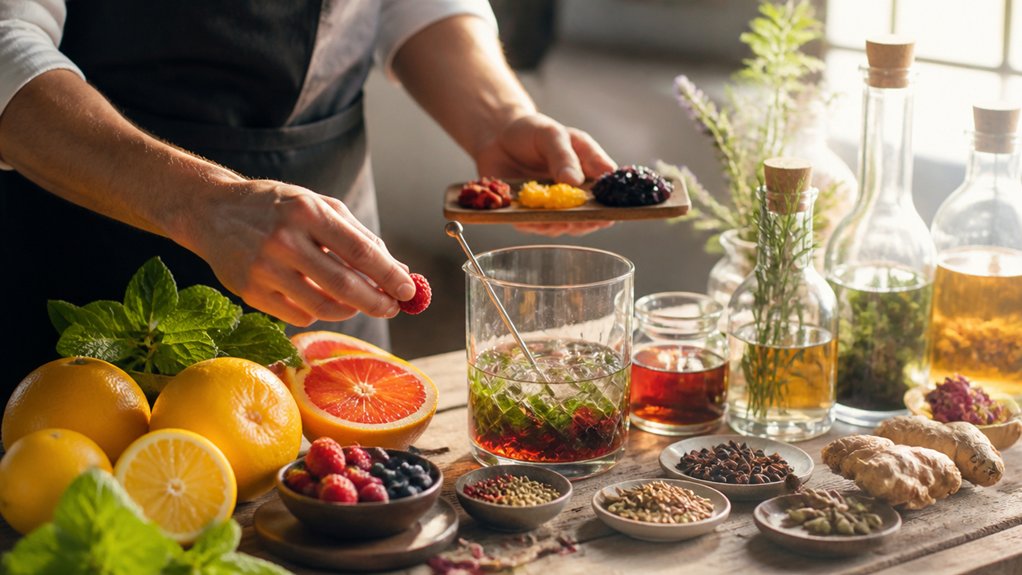
Your ingredient choices define a beverage’s flavor, aroma, texture, stability, and cost. Start with your concept and target consumer, then select components that deliver the intended sensory signature. Use Flavor pairing to connect complementary notes—such as citrus oils with botanical extracts—while testing how each ingredient behaves in your beverage’s processing conditions.
Evaluate Ingredient sourcing as carefully as formulation. Choose suppliers who can document identity, purity, traceability, and consistent specifications. Seasonal fruit, upcycled botanicals, or precision-fermented compounds may give your product a distinctive story, but confirm availability and regulatory status before scaling. Review certificates of analysis, allergen declarations, and microbial controls to reduce risk.
Run small-batch trials to assess aroma release, color retention, and ingredient interactions over shelf life. Your choices should support reliable production and a recognizable, memorable drinking experience. Keep records so you can reproduce promising results.
Balance Flavor, Sweetness, and Texture
A balanced beverage lets its defining flavors lead while sweetness and texture shape how each sip unfolds. You can build Flavor harmony by mapping the intensity, order, and persistence of each taste. Let bright acids sharpen fruit, while bitter botanicals add depth; use salt or aroma to clarify notes without masking them. Calibrate sweetness to round harsh edges, not dominate the profile. Choose its source and level to suit your concept, since sugars, syrups, and alternatives differ in body and aftertaste.
Texture balance comes from managing viscosity, carbonation, and suspended particles. You might pair a silky base with crisp bubbles, or use fine pulp for a tactile finish. Consider how temperature changes thickness and how each sensation carries flavor across the palate. When these elements align, you create a coherent sensory arc, from first aroma to clean, lasting finish, that feels intentional and distinctive.
Test Beverage Prototypes and Refine the Recipe
With the flavor, sweetness, and texture aligned, test small beverage prototypes under consistent conditions. Prepare each sample with the same measurements, mixing sequence, temperature, and steeping time so you can attribute differences to specific changes. Record ingredient quantities and process details; your notes will turn impressions into repeatable decisions.
Taste samples in a controlled order, cleansing your palate between sips. Assess aroma, first impression, mid-palate, finish, and mouthfeel, then rate each against your target profile. Invite a focused panel to describe what they sense, not just whether they like it.
Refine one variable at a time. Adjust acid, infusion strength, or carbonation, and compare results. Revisit Flavor pairing when an ingredient masks another, and evaluate Ingredient sourcing if a lot shifts the profile. Keep the strongest formulation and retest.
Confirm Safety, Shelf Life, and Compliance
Once the prototype tastes right, verify that it’s safe, stable, and compliant before moving toward production. Build a risk-based testing plan around your ingredients, process, and intended storage conditions. Use validated methods to check microbial hazards, pH, water activity, and any relevant contaminants; document results through rigorous Quality assurance.
Then establish shelf life with real-time and, where appropriate, accelerated studies. Track sensory shifts—fading aroma, color drift, separation, or off-notes—alongside chemical and microbiological changes. Set clear acceptance limits and confirm that your chosen preservation system maintains quality throughout the claimed period.
Finally, review ingredient permissions, allergen declarations, nutrition information, and label claims against applicable Regulatory standards in every target market. Keep traceable records, address deviations, and obtain qualified review when requirements are unclear. This evidence gives you confidence in the beverage’s safety, consistency, and lawful presentation.
Choose Packaging and Scale Production
Choose packaging that protects your beverage’s flavor, carbonation, and shelf life while delivering the right feel in hand. Then scale production with equipment and processes that preserve quality as volume rises. You’ll need to balance material performance, line speed, and cost to move smoothly from pilot batches to market.
Select the Right Packaging
How will your beverage reach consumers—and what will protect its quality along the way? Match your package to the drink’s chemistry, serving style, and storage conditions. Light-sensitive juices may need opaque cartons or amber glass; carbonated drinks require pressure-resistant containers that preserve their lively fizz. Choose materials that won’t react with acids, oils, or flavor compounds, and test seals against oxygen and moisture intrusion.
Consider how the package feels in your hand, pours, opens, and travels. Your shape, color, and label communicate flavor before the first sip, so align Branding considerations with clear, legible product information. Compare Eco friendly options, including recyclable aluminum, glass, and responsibly sourced cartons, while weighing weight and end-of-life access. A well-chosen format protects aroma, texture, and safety—and makes your beverage inviting on the shelf and at home.
Scale Production Efficiently
As demand grows, scale production without letting quality drift. Translate your pilot recipe into precise batch specifications: ingredient tolerances, mixing order, temperature, carbonation, and fill volume. Choose equipment that preserves the beverage’s aroma, texture, and color while meeting throughput targets. Automate repeatable steps, but keep skilled operators close to sensory checks; a bright citrus note or smooth finish can signal process changes before instruments do.
Strengthen your Supply chain by qualifying backup suppliers, forecasting seasonal ingredients, and matching packaging availability to production schedules. Build Quality control into every stage, from incoming-material tests to in-line measurements and finished-product tasting. Track yield, downtime, and defects, then use those data to tune line speed and reduce waste. Run controlled scale-up trials before committing to full volume. You’ll protect consistency, respond faster to demand, and deliver every can or bottle as intended.
Launch the Beverage and Improve It With Feedback
Once your beverage meets its quality and safety targets, launch it with a clear plan for distribution, promotion, and ongoing measurement. Use Market segmentation to select channels and tailor messages to each audience. Let Flavor fusion lead your tasting notes, highlighting the aroma, texture, and finish that make your drink distinctive. Track sales velocity, repeat purchases, returns, and digital engagement by region and channel. Pair these metrics with brief surveys, retailer observations, and social listening to uncover friction or delight.
Review feedback on a set schedule, then separate isolated opinions from consistent patterns. If customers report excessive sweetness or weak carbonation, test controlled adjustments without compromising stability or label claims. Compare revised batches through blind sensory panels and small-market trials before expanding changes. Share what you learn with production and marketing teams, and keep refining the beverage as preferences evolve.