To create craft beers customers actually want, start with sales patterns, customer comments, and tasting-room conversations—not trends alone. Use those insights to define a concept that fits your brewery’s identity, audience, and price point. Turn it into measurable recipe targets, then test pilot batches with diverse drinkers using blind, consistent tastings. Refine the beer for flavor, cost, and reliable production, and track results after launch. The steps ahead show how to make each release more compelling and consistent.
Start With What Beer Drinkers Want
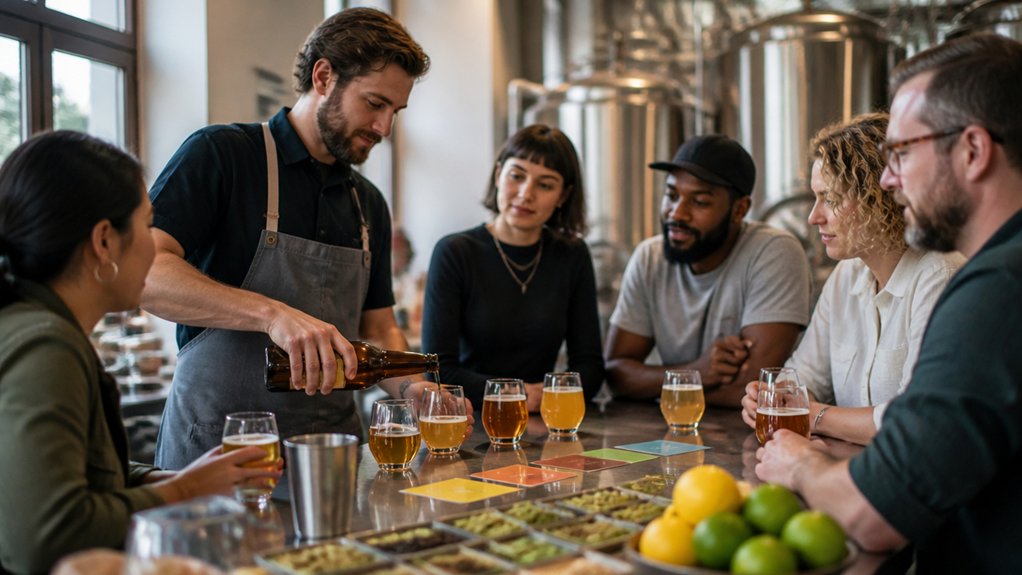
Before choosing ingredients or brewing methods, identify what beer drinkers want—and why. Market research helps you distinguish lasting preferences from passing buzz. Review sales by style, price, season, and location, then compare those patterns with customer feedback, taproom conversations, and retailer insights. Ask what people enjoy, what they avoid, and what occasions shape their choices. Look beyond stated preferences: repeat purchases and abandoned pours can reveal gaps between what customers say and what they actually value.
Use these findings to understand demand without treating every trend as an instruction. Flavor innovation matters most when it answers a clear consumer need, whether that means greater drinkability, distinctive aroma, or options that suit changing tastes. Consider how familiar and adventurous drinkers respond differently, and weigh potential interest against practical market evidence. You’ll make stronger decisions when customer behavior guides your priorities.
Develop a Beer Concept That Fits Your Brewery
A strong beer concept should reinforce what drinkers already value about your brewery while giving them a clear reason to try something new. Make sure the style, flavor, and price fit your brand’s identity. Then assess whether your equipment, ingredients, and team can produce it consistently.
Align With Your Brand
What kind of beer will feel at home in your brewery and stand out to customers? Start with the identity you’ve built: your flavor profile, values, visual style, and the experience guests expect. A new release should reinforce that identity while offering a clear reason to try something different.
Consider how your audience describes your beers and what they seek from your taproom or retail shelf. If customers come to you for approachable, food-friendly ales, an intensely bitter experimental release may need a compelling connection to your story. That doesn’t mean repeating familiar recipes; it means making novelty feel intentional.
Use brand consistency to build recognition, and guarantee marketing alignment across the beer’s name, packaging, tasting notes, and promotion. When those elements communicate one coherent promise, customers can understand the beer’s place in your lineup and decide whether it’s for them.
Match Your Brewing Capabilities
Once a beer fits your brand, verify that your brewery can produce it reliably. Consider whether your tanks, brewhouse, packaging line, and cold storage can handle the recipe’s volume and process. Equipment compatibility matters: a hop-intensive IPA, barrel-aged stout, or lager may require capacity, controls, or conditioning time you don’t have.
Assess staffing expertise, too. Your team needs the skills and time to manage unfamiliar ingredients, fermentation schedules, quality checks, and packaging demands. If the concept depends on capabilities you lack, decide whether training, equipment upgrades, or a simpler recipe makes sense before committing.
Then test the beer at realistic scale. Track yield, labor, consistency, and production costs alongside taste. Reliable execution safeguards quality in every batch—and ensures customers can find the beer again if they enjoy it.
Turn the Concept Into a Brewable Recipe
To turn a concept into a brewable recipe, translate its defining qualities—such as flavor, aroma, strength, and mouthfeel—into measurable targets. Set ranges for bitterness, color, carbonation, and alcohol so your team can evaluate whether each trial delivers the experience customers expect. Then map the production sequence, including mash conditions, boil timing, fermentation techniques, and maturation, to the equipment and schedule you established in the previous step. Record every variable and tasting result; consistent documentation helps you identify which adjustments improve the beer rather than merely change it. Plan for the finished beer’s intended format, too: Packaging innovations can affect carbonation, freshness, and how consumers perceive convenience. Before scaling up, brew a pilot batch and gather structured feedback. Use those findings to refine the recipe and confirm it remains repeatable at production scale.
Choose Ingredients That Balance Flavor and Cost

With your pilot recipe defined, select ingredients that deliver its target flavor without pushing costs beyond the beer’s price point. Compare malt, hop, yeast, and adjunct options by sensory contribution, availability, and price. Strategic ingredient sourcing can protect consistency: secure dependable suppliers, check harvest variability, and identify substitutes that preserve the beer’s character if a crop or shipment becomes scarce.
Then run a cost analysis across the full recipe, including freight, handling, and expected losses. A premium hop may justify its expense when its aroma defines the style, but using it throughout the boil could add cost without adding noticeable value. Allocate expensive ingredients where customers will perceive them most. Weigh each choice against the intended shelf price and margin, while keeping flavor balance intact. Your goal isn’t simply the cheapest recipe; it’s a beer customers consider worth buying again.
Test Pilot Batches With Real Beer Drinkers
Recruit tasters with varied preferences and experience to capture a broader view of your pilot batch. Serve samples blind so your brand and expectations don’t influence their ratings. Use their specific feedback to refine flavor, aroma, and balance before scaling production.
Recruit Diverse Tasters
A pilot batch can taste promising to its brewers and still miss the mark with customers. Recruit tasters who reflect the people you want to reach, not just your staff, friends, or most loyal fans. Include varied ages, backgrounds, beer preferences, and levels of craft-beer knowledge. This range brings sensory diversity: one drinker may notice bitterness quickly, while another focuses on aroma, sweetness, or finish. Their cultural insights can also reveal how a beer’s ingredients, name, or style may resonate across different communities.
Set clear participation criteria, such as familiarity with the intended beer category, but avoid screening for agreement with your team’s taste. A balanced group helps you spot polarizing traits and overlooked appeal. When you gather feedback, record who is responding so you can distinguish broad patterns from preferences tied to particular audiences.
Serve Blind Samples
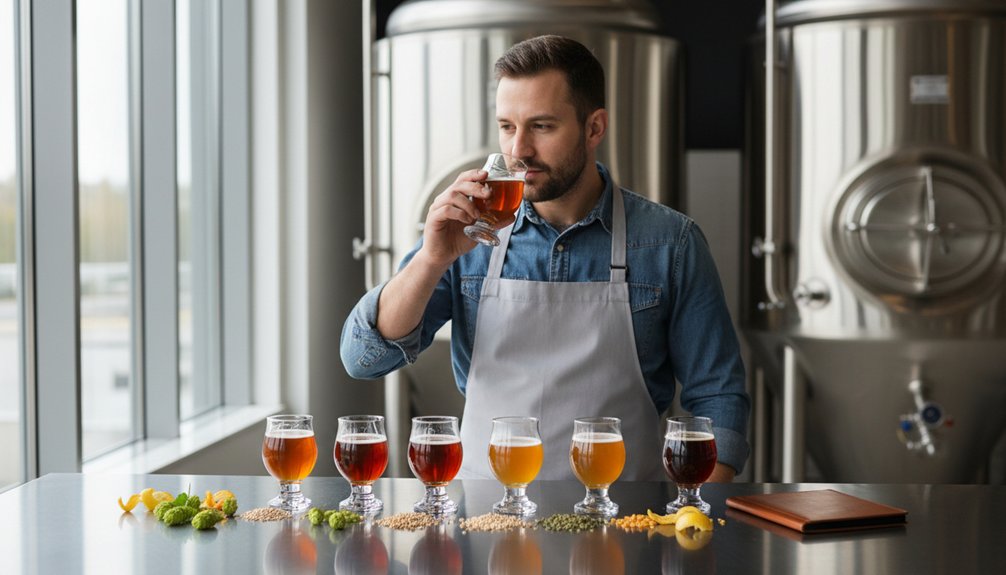
To learn what drinkers think of a pilot batch, serve samples without revealing the beer’s name, style, or recipe. Blind sampling helps you separate the beer’s sensory appeal from expectations tied to familiar styles, branding, or ingredients. Pour each sample at a consistent temperature and volume, using coded cups so participants can’t identify the batch. Keep the setting neutral, and ask tasters to evaluate aroma, flavor, mouthfeel, bitterness, and overall enjoyment before discussing the beer together. Provide water and plain crackers between pours to reduce carryover, especially when comparing several recipes. Randomize serving order where possible; sequence can shape perception. This controlled taste testing gives you a clearer view of how real customers experience the beer on its own, rather than how they respond to its story or label.
Refine From Responses
Once blind tasting reveals how a pilot batch performs, use drinkers’ responses to decide what to adjust. Ask tasters what they noticed first, which flavors lingered, and whether bitterness, body, or carbonation matched their expectations. Pair those comments with simple ratings and purchase intent; don’t let one enthusiastic opinion outweigh a consistent pattern.
You can test revisions systematically, changing one variable at a time so you know what improved the experience. If drinkers find the beer too sweet, adjust the recipe, then retest with a fresh group. Gather feedback on serving size, label clarity, and innovative packaging, too. These details shape how customers choose and enjoy your beer. If sustainable sourcing matters to your audience, explain it clearly and verify that the claim feels credible. Refine until the beer satisfies both your quality goals and drinkers’ preferences.
Make the Recipe Reliable at Production Scale
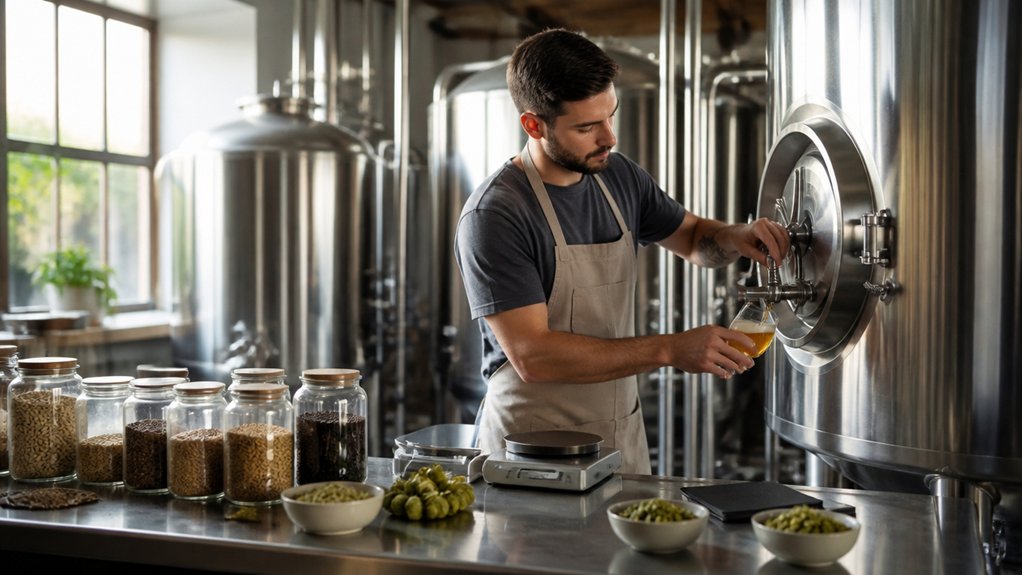
A recipe that succeeds in a pilot batch still needs to deliver the same flavor, balance, and quality at production scale. You’ll need to account for larger equipment, longer transfers, and differences in heat distribution, oxygen exposure, and fermentation behavior. Adjust the process—not just the ingredient quantities—then document temperatures, timing, and target measurements so your team can repeat each step.
Reliable ingredient sourcing matters, too. If hop varieties, malt specifications, or suppliers change, the beer may shift in aroma, color, or body. Set clear ingredient standards and identify acceptable substitutions before production.
Use quality assurance checks at key stages, including gravity, pH, sensory evaluation, and packaging. These controls help you catch variation before it reaches customers. When each batch stays true to the intended profile, drinkers can trust the beer they choose.
Track Sales and Use Feedback to Improve the Next Release
After release, track sales by channel, location, and time period to see how the beer performs with different customers. Compare results with your forecasts, noting where repeat purchases rise or sales stall. Effective sales tracking can reveal whether price, package size, tap placement, or seasonality shapes demand. Don’t treat volume alone as proof of success; pair sales data with customer comments, staff observations, and tasting-room conversations.
Ask buyers what they liked, what they’d change, and whether they’d choose the beer again. Look for patterns in feedback rather than reacting to one loud opinion. These insights help you distinguish broad customer preferences from niche appeal and identify which flavors or formats deserve another release. Use the evidence to adjust the recipe, positioning, or distribution, then measure the next batch against the same benchmarks.