
You’ve outgrown your first co-packer when recurring delays, quality problems, or unavailable production slots put sales, cash flow, or retailer confidence at risk. Separate temporary demand spikes from structural limits by reviewing run performance, utilization, lead times, and corrective actions. Then quantify the cost of staying, including lost revenue, expediting, excess inventory, and management time. Before switching, validate a new partner’s capacity, quality, and landed costs through controlled trials. A clear handover plan can protect supply—and show you what to assess next.
Spot the Signs Your Co-Packer Is Holding You Back
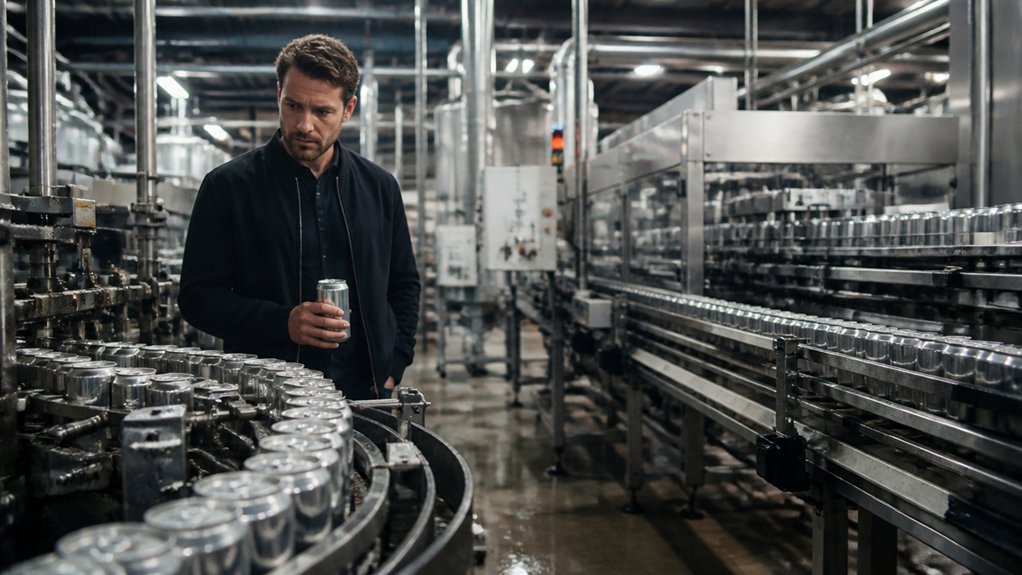
When demand rises but your co-packer can’t keep pace, the strain shows up in missed ship dates, recurring quality issues, and production slots that are hard to secure. Track each issue by frequency, affected volume, and cost; a single late run may be manageable, but repeated delays can erode retailer confidence and cash flow.
Look for limits beyond output. If changeovers take too long, minimum order quantities tie up working capital, or your partner can’t support Packaging innovation, your roadmap may stall. You might also see slow responses to forecasts, weak root-cause reporting, or little flexibility across formats and ingredients.
Compare service levels with your growth plan. When constraints repeatedly block launches or Market expansion, quantify the lost sales and assess whether your co-packer’s capabilities still match your needs.
Tell Growing Pains From Capacity Limits
Not every missed run signals a co-packer capacity ceiling; short-term demand spikes, forecast errors, or a temporary equipment issue can cause growing pains. Track performance across several production cycles before you conclude the site can’t support your growth.
Compare scheduled and completed runs, line utilization, changeover time, labor availability, and on-time delivery. Ask your co-packer to identify the constraint and share a dated corrective-action plan. If service rebounds after maintenance, better forecasting, or schedule changes, you’re likely facing a temporary disruption.
Capacity limits look different: utilization stays near its practical ceiling, lead times keep lengthening, and even well-planned orders miss slots. Check whether the bottleneck affects one line or your broader production mix. These Scaling challenges call for evidence, not assumptions. Confirm the constraint, its duration, and whether Capacity expansion can solve it before changing partners.
Calculate the Cost of Staying Put
Before switching co-packers, quantify what staying put costs you: delayed revenue, lost sales, expediting fees, excess inventory, and internal time spent managing missed runs. Assign each cost a monthly value using invoices, order data, and staff hours. Estimate revenue you’ve deferred when production delays push launches or leave retailers out of stock. Include margin—not just sales—for orders you can’t fulfill.
Then compare those losses with the cost of maintaining current operations over the next 12 months. Track write-offs from aging inventory and freight premiums for urgent shipments. Count the opportunity cost, too: time spent firefighting can’t support brand storytelling, consumer engagement, or channel growth. Use conservative assumptions, document your sources, and calculate a range if data’s incomplete. A clear baseline turns frustration into a financial case for change—and shows what staying put truly demands.
Define What Your Next Co-Packer Must Deliver
Before you compare co-packers, define the output your forecast requires at peak demand. Set measurable quality standards, including acceptable defect rates and audit requirements. Then confirm your partner can add shifts or lines as volume grows without compromising service levels.
Production Capacity
How much capacity should your next co-packer guarantee? Start with a 12-month demand forecast, then test it against peak-season orders, retailer promotions, and realistic growth scenarios. Your partner should cover projected volume with room for surges—not just match today’s run rate.
Ask for line-level capacity by format, minimum run sizes, changeover times, and available production windows. Confirm how many shifts the facility can add, how quickly it can scale labor, and whether ingredient or packaging constraints could limit output. Request a clear ramp plan with milestones, lead times, and contingency options.
Build flexibility into the forecast. Flavor innovation can multiply SKUs and complicate scheduling; packaging sustainability initiatives may require new materials or equipment. Model those changes before signing, and define capacity commitments in monthly units, not vague assurances. Then compare promised throughput with your launch calendar and cash-flow needs.
Quality Standards
Set quality standards before production starts, and turn them into measurable acceptance criteria. Specify target ranges for pH, Brix, fill volume, carbonation, and key sensory attributes. Define sampling frequency, test methods, acceptable variation, and who approves each lot. Your co-packer should document results and flag deviations before product ships.
For Flavor consistency, establish a reference sample and a sensory scoring protocol, then compare batches against both. Track ingredient specifications, process parameters, and corrective actions so you can trace shifts to their source. Confirm that sanitation, allergen controls, and environmental monitoring meet your risk profile and applicable regulations.
Treat Packaging innovation as a quality requirement, too: validate material compatibility, seal integrity, label accuracy, and performance through shelf-life and transit testing. Agree on defect thresholds and complaint-response timelines. Put every standard in a signed quality agreement, with clear records, escalation steps, and release authority. Don’t rely on verbal assurances.
Growth Flexibility
Growth flexibility means your co-packer can increase output without compromising quality, lead times, or cost control. Define measurable requirements before you sign: monthly capacity, minimum order quantities, production changeover times, and surge capacity for seasonal demand. Ask how quickly the facility can add shifts, source ingredients, and secure packaging when forecasts rise. Request performance data, including on-time delivery rates and historical capacity utilization, rather than relying on promises.
Your next partner should also support product evolution. Confirm that its equipment can handle planned format changes and that its team can coordinate packaging design updates without disrupting production. Protect Brand storytelling by checking whether the co-packer can accommodate new flavors, claims, or pack sizes while maintaining consistent specifications. Agree on forecast-sharing cadence, escalation contacts, and capacity review dates. These operating rules help you scale deliberately, not reactively.
Compare Co-Packers, In-House Production, and Alternatives
As orders rise, compare each production path by total landed cost, capacity, quality control, and flexibility—not just the quoted unit price. A co-packer keeps capital requirements lower and can absorb demand spikes, but minimum runs, freight, and scheduling constraints affect margins. In-house production gives you tighter process control and faster formulation changes; weigh equipment, facility, labor, compliance, and maintenance costs against forecast utilization before investing. A hybrid model can bridge the gap: outsource core volume while piloting limited runs internally or with a specialist. Also assess how each option supports Brand storytelling and Packaging innovation, from ingredient sourcing to format changes. Build a three-year model using realistic volume scenarios, changeover costs, spoilage, and working capital. Choose the path that protects contribution margin while preserving room to adapt as your channel mix shifts.
Vet Co-Packers for Capacity and Quality
Before you commit volume, verify that a co-packer can meet your forecast at peak demand—not just its average capacity. Ask for line speeds, changeover times, run minimums, and booked production hours. Compare those figures with your SKU mix, seasonal spikes, and growth targets; confirm the facility has labor, storage, and backup equipment to support the plan.
Quality needs equal scrutiny. Review recent audit results, food-safety certifications, traceability procedures, and corrective-action records. Request product samples from commercial runs, then test fill weights, carbonation, shelf life, and packaging performance against your specifications. Check how the team handles deviations and who approves formula or process changes.
Finally, assess whether its capabilities support your Brand storytelling and packaging innovation, including specialty formats and label requirements. A detailed scorecard helps you separate proven capacity from sales promises and identify gaps before signing.
Plan a Co-Packer Switch Without Supply Gaps
Map your progression timeline against production lead times, qualification milestones, and demand forecasts. Build safety stock to cover the overlap, sizing it to your service targets and replenishment risk. Validate the new co-packer’s output before handoff so you don’t release production until quality and throughput meet spec.
Map the Transition Timeline
A co-packer switch can disrupt sales if production, inventory, and approvals fall out of sync. Build a backward timeline from your first commercial run at the new facility. Assign dates for formula transfer, ingredient sourcing, packaging procurement, line trials, quality validation, and retailer approval. Give each milestone a named owner and measurable exit criteria, such as approved specifications or a passed production run.
Overlap qualification at both facilities where contracts and capacity allow. Track lead times for ingredients, cans, labels, and freight; update the schedule when suppliers confirm actual dates, not estimates. Include time for Innovation hurdles, such as equipment settings or process adjustments, and verify branding consistency across proofs and finished packs. Hold weekly cross-functional reviews with operations, quality, procurement, and sales. Escalate missed milestones early, so you can adjust launch dates before orders or production commitments lock in.
Build a Safety Stock
Once the new co-packer’s milestones are on track, build enough safety stock to cover the gap between the last run at your current facility and stable production at the new one. Calculate coverage from forecast demand, current inventory, lead times, and realistic ramp-up rates—not best-case assumptions. Include a buffer for ingredient delays, line downtime, and freight variability, then set a clear minimum stock trigger so your team can act before availability tightens.
Protect inventory by prioritizing high-velocity SKUs and accounting for seasonal peaks, retailer commitments, and promotional calendars. Keep production at the current facility long enough to create the agreed reserve, but avoid excess stock that risks expiry or ties up cash. Track lot dates and storage capacity, especially when Flavor consistency or Packaging innovation affects shelf life, materials, or run sequencing. Assign owners to monitor coverage weekly and escalate deviations promptly.
Validate Before Handoff
Before the final run at your current co-packer, validate the new site’s production readiness with a controlled trial. Run your actual formula, packaging, and line speeds; then compare fill accuracy, seam integrity, yield, and changeover time against agreed specifications. Test finished product for sensory consistency, shelf-life indicators, and required safety controls. Confirm the new team can source approved ingredients and components, including any Packaging innovation or Sustainability initiatives that affect materials, labeling, or equipment.
Use trial results to close gaps before transferring volume. Assign owners and deadlines for corrective actions, and require a successful repeat run for critical failures. Map inventory by location and calculate coverage through qualification, transit, and ramp-up. Keep your safety stock intact until the new site demonstrates repeatable output and quality release. Schedule the final production handoff only after both teams confirm capacity, documentation, and shipping dates.
Protect Your Margins and Product Standards
Growth only strengthens your business if each additional order still meets your margin and quality targets. As you evaluate production capacity, model the full landed cost per unit—not just the co-packer’s quoted rate. Include ingredients, packaging, freight, scrap, testing, and changeover fees. Compare costs across realistic volumes, and stress-test assumptions for commodity price swings and minimum-order requirements.
Protect standards with measurable specifications for flavor, fill weight, carbonation, shelf life, and packaging performance. Track batch results against those limits, and require corrective-action records when results drift. Your quality agreement should define sampling, release criteria, and who pays for rejected product.
Build room for Flavor innovation and packaging sustainability without letting new inputs erode margins or compromise line efficiency. Use pilot runs and supplier data to verify both outcomes before scaling. Review scorecards regularly.
Set a Go/No-Go Decision for Switching
Set a clear go/no-go threshold before switching co-packers or production lines. Define measurable targets for landed cost, yield, defect rates, on-time delivery, and capacity. Compare the new partner’s validated results with your current baseline, not optimistic projections. Include transition costs, minimum runs, freight, and quality testing in your financial model.
Run a controlled pilot using your actual formula, packaging, and specifications. Track fill accuracy, shelf-life results, line efficiency, and customer complaints. Confirm that the facility can protect branding consistency across every SKU and meet your forecasted volumes. Set failure limits and assign decision owners before production begins.
Proceed only when the pilot meets agreed thresholds and the economics support Market expansion. If critical metrics fall short, pause, correct the process, and retest. A documented scorecard keeps the decision objective and protects your margins.