
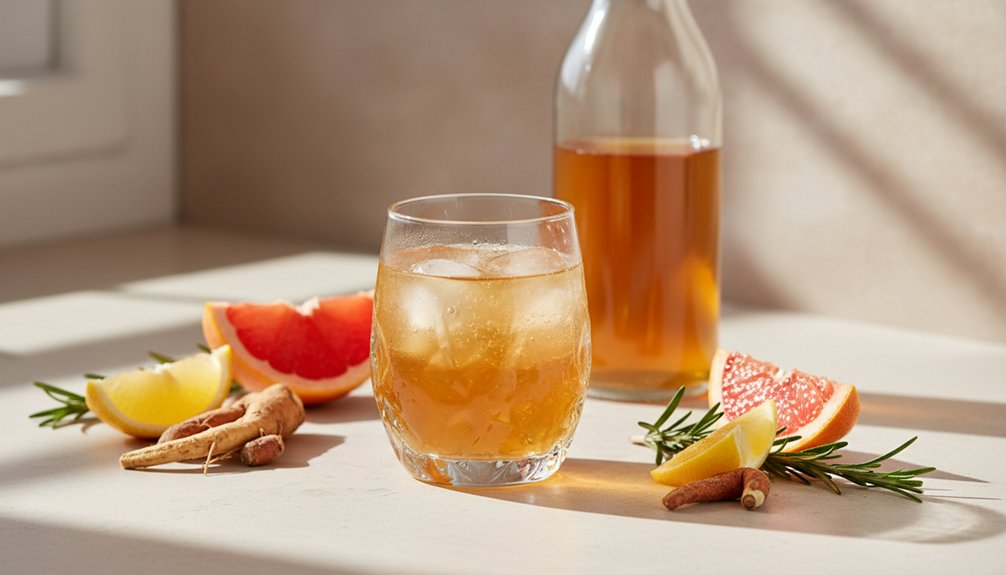
In 2025, nootropic and adaptogenic drinks pair ingredients such as caffeine and L-theanine with botanicals like ashwagandha, rhodiola, or lemon balm to target focus or calm. You’ll see more flavor innovation, portable packaging, and products designed for daily routines. Effects vary by dose and individual response, and evidence for mood claims remains limited. Check caffeine, serving size, and ingredient amounts, and don’t assume “natural” means risk-free. Next, explore how formulations, evidence, and label checks can guide your choice.
What Are Nootropic and Adaptogenic Drinks?
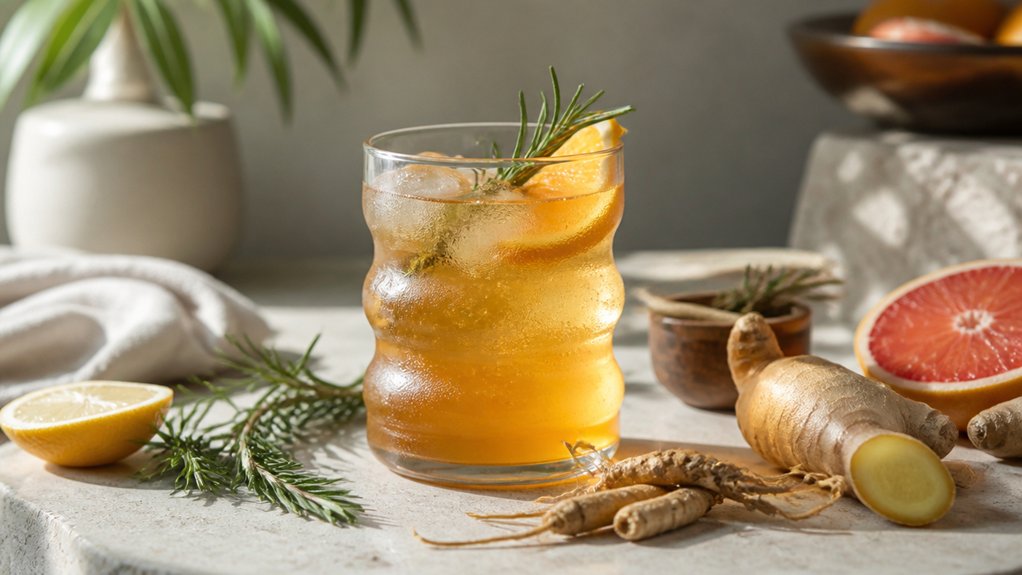
Nootropic and adaptogenic drinks are beverages formulated with ingredients intended to support cognitive function or help the body respond to stress. You’ll find them marketed for focus, calm, or mental energy, though effects depend on formulation, dose, and individual response. Research on many products remains limited, so treat broad wellness claims cautiously rather than as proven outcomes. These drinks differ from conventional refreshments mainly in their intended function and positioning, not necessarily in how reliably they change mood or performance. In 2025, Flavor innovation helps brands make functional formats more appealing, while branding strategies often emphasize daily rituals, transparency, and targeted benefits. As you compare options, look beyond mood-focused labels: consider whether claims match available evidence and whether the product’s purpose fits your needs. Don’t assume “natural” means effective or risk-free.
Which Ingredients Are in Functional Drinks?
Formulas vary, but functional drinks often combine caffeine or tea extracts with botanicals such as ashwagandha, ginseng, or L-theanine, alongside vitamins, electrolytes, or adaptogenic mushrooms. You’ll also find Herbal extracts like lemon balm, rhodiola, and peppermint, though research on their effects depends on the specific ingredient and dose. Some blends add B vitamins or magnesium, nutrients involved in normal body functions but not guaranteed to boost energy or focus if you’re not deficient. Mushroom ingredients such as lion’s mane and reishi have gained attention, yet human evidence remains limited. For sweetness, brands increasingly use Natural sweeteners, including stevia, monk fruit, or fruit juice, instead of refined sugar. Check labels for serving sizes, caffeine totals, added sugars, and ingredient amounts; proprietary blends may make comparisons difficult. Your response can vary with sensitivity and health conditions.
How Are Drinks Made for Focus or Calm?
Drinks marketed for focus or calm are typically built around a specific effect, pairing ingredients such as caffeine and L-theanine for alertness or lemon balm and magnesium for relaxation. Formulators then balance dose, solubility, and stability so active compounds disperse evenly and retain quality through shelf life. You’ll also see botanicals, amino acids, or electrolytes added to support a drink’s intended profile, though evidence varies by ingredient and dose. Flavor enhancement helps mask bitterness from extracts, minerals, or amino acids; citrus, herbs, and low-calorie sweeteners can improve taste without overwhelming the formulation. Packaging innovations, including slim cans, resealable bottles, and light-protective materials, support portability and ingredient stability. Brands increasingly use clear labels and measured servings, helping you understand what each beverage contains rather than relying on broad mood claims.
How to Choose a Drink for Your Goal
Choose ingredients that match your goal, such as caffeine for alertness or calming botanicals for relaxation, while checking the evidence behind trendy blends. Read the label to confirm active ingredients and serving amounts. Consider dosage and timing, since effects can vary by ingredient and may interfere with sleep or medications.
Match Ingredients to Goals
The right mood-modifying drink starts with your goal, not a trend: caffeine may support alertness, while calming ingredients such as L-theanine or chamomile may help you unwind. Match each ingredient to the effect you want, and check whether research supports the claim. For focus, you might choose tea-derived caffeine paired with L-theanine; for relaxation, consider a caffeine-free blend featuring chamomile or lemon balm. Adaptogens such as ashwagandha appear in stress-support drinks, but evidence varies by extract and study, so don’t treat them as proven mood cures. Read labels for named ingredients and transparent amounts, and watch for added sugar or vague proprietary blends. Flavor combinations can make functional ingredients more appealing, while packaging innovations may clarify claims. Choose based on your needs and preferences, not hype.
Check Dosage and Timing
Even a well-matched ingredient may disappoint if the dose or timing is off. Check the active amount per serving, not just the ingredient’s presence on the label. Caffeine, for example, can sharpen alertness, but a large dose may trigger jitters or disrupt sleep; consider your sensitivity and daily intake. For adaptogens such as ashwagandha, evidence depends on the extract, dose, and consistent use—not a single drink.
Choose personalized dosing by starting with a lower serving, tracking effects, and following label directions. Don’t stack products with overlapping stimulants or botanicals, and ask a clinician about interactions, pregnancy, or health conditions. For ideal timing, use energizing drinks earlier in the day; calming blends may suit an evening routine, though effects vary. Check sugar and serving size, too: trendy formulations aren’t automatically effective or safe.
Do Mood-Related Claims Have Evidence?
You’ll see mood claims tied to ingredients like adaptogens, caffeine, and L-theanine, but evidence varies by compound and dose. Some studies suggest modest effects, yet findings don’t always reflect the blends or serving sizes in trending drinks. Check what research supports each ingredient—and where current studies leave uncertainty.
Evidence Behind Mood Claims
Mood-modifying drinks are trending, but claims that ingredients such as adaptogens, nootropics, or calming herbs can reliably shift your mood need careful scrutiny. Evidence depends on the specific ingredient, dose, and outcome measured—not the drink’s wellness branding. For example, some research links ashwagandha with reduced perceived stress, while studies of L-theanine suggest possible relaxation effects. These findings don’t prove that every beverage delivers a noticeable mood change, especially when products combine ingredients at undisclosed or varied doses.
When you try a drink, consider the Placebo effect: expecting calm or focus may shape what you feel. Individual variation also matters; your response can differ with sensitivity, sleep, diet, and medication use. Check whether a claim cites human trials on the same ingredient and dose, rather than broad promises about a trendy blend.
Limits of Current Research
Although early studies suggest that ingredients such as ashwagandha or L-theanine may affect stress or relaxation, the evidence remains limited and doesn’t establish that mood drinks reliably change how you feel. You’ll find that many trials involve small groups, short timelines, or supplement doses that differ from amounts in commercial beverages. Formulas also combine ingredients, making it hard to identify which component drives an effect—or whether neurochemical interactions alter it. Researchers need larger, independent studies that test finished drinks, compare them with controls, and track outcomes over time. Your expectations may matter, too: placebo effects can influence self-reported calm or focus, especially when packaging promises a mood boost. Treat trend-driven claims as hypotheses, not guarantees, and check whether brands cite human trials on their specific ingredients and doses.
How to Check Drink Safety and Labels
Before trying a mood-modifying drink, check its full ingredient list, serving size, and active-ingredient amounts—not just the front-label claims. Look for Label transparency: the label should identify each botanical, caffeine source, and added nutrient, with quantities per serving. If it lists a proprietary blend without individual amounts, you can’t judge dose or compare products reliably.
Check ingredient sourcing and whether the maker tests finished batches for identity, contaminants, and consistency. Third-party certification can support quality checks, but it doesn’t prove a drink works or suits you. Add up caffeine from coffee, tea, guarana, and other sources, and review warnings about medications, pregnancy, or health conditions. “Natural” doesn’t mean risk-free. Start with one product, follow its serving directions, and stop if you notice unwanted effects. Be cautious of claims promising rapid mood changes; evidence and effects vary by ingredient and person.


