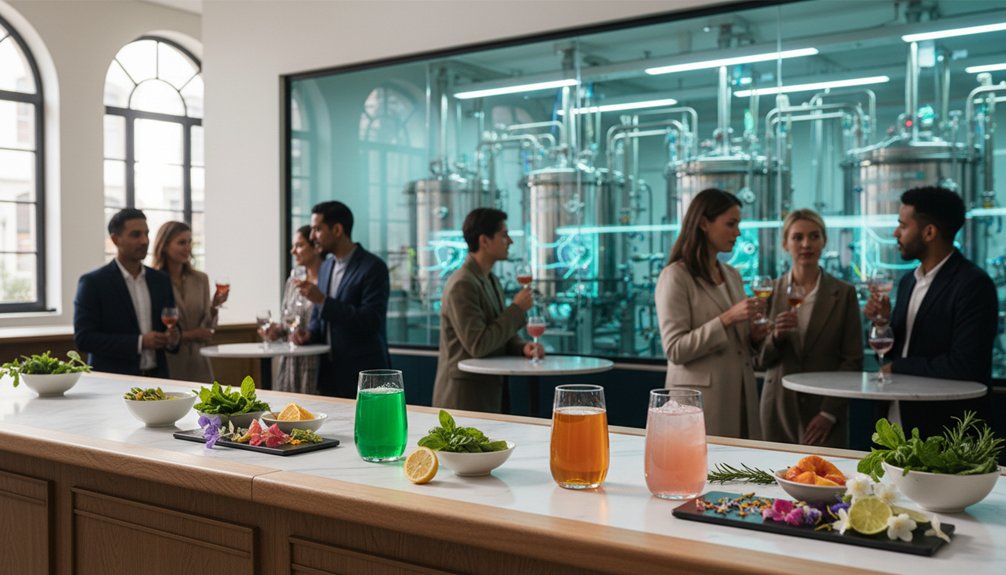
By 2027, you may find cell-cultured botanicals in more everyday drinks, from coffee alternatives to flavored waters. Brands grow plant cells in controlled tanks or use fermentation to produce familiar flavors and functional ingredients, aiming for steady quality with less reliance on crops. Mainstream adoption will depend on more than novelty: you’ll look for appealing taste, competitive prices, clear labels, and credible sustainability evidence. Retail orders and reliable supply will offer clues to whether this shift is becoming durable. The details ahead help you assess what’s changing.
What Counts as a Lab-Grown Botanical Drink?
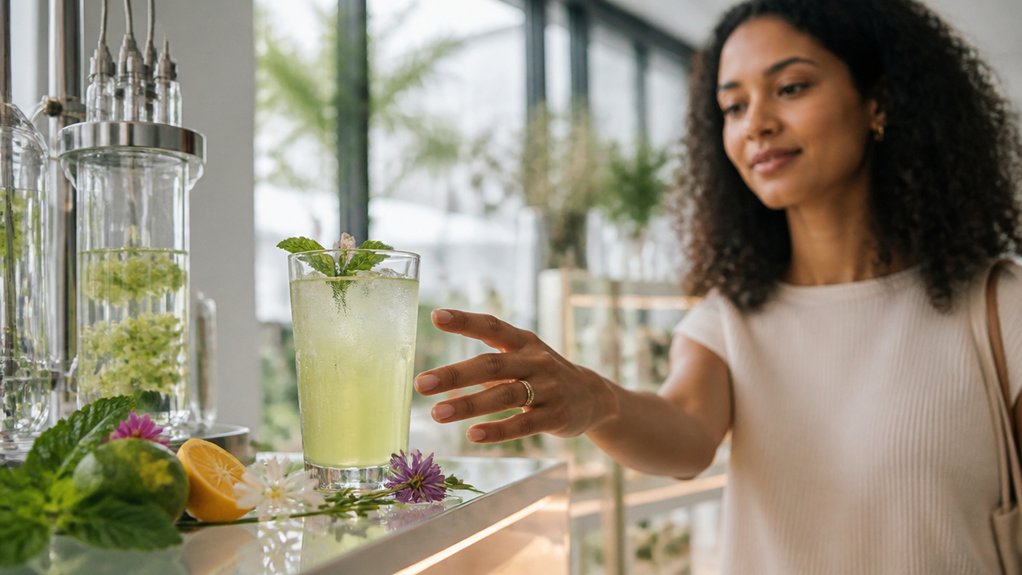
A lab-grown botanical drink uses compounds produced through precision fermentation or cell culture to recreate flavors, aromas, or functional ingredients traditionally sourced from plants. You can classify a beverage as lab-grown when these ingredients replace or supplement extracts, oils, or molecules harvested from crops. The term doesn’t mean the finished drink is synthetic in the everyday sense; it describes how specific components originate. For you, the distinction matters when evaluating taste, sourcing, consistency, and sustainability claims. Some products use cultured ingredients for innovative flavoring, while others target scarce botanicals or compounds with supply volatility. Yet category boundaries remain fluid: a drink may combine conventional juice, lab-grown ingredients, and familiar additives. You’ll also encounter regulatory challenges around ingredient status, labeling, and claims, which can shape market access and consumer trust.
How Are These Botanical Drinks Made?
To make a lab-grown botanical drink, producers cultivate plant cells in controlled bioreactors rather than harvest mature crops. You’ll see those cells fed nutrients and monitored for growth and target compounds, a process that can improve consistency while reducing pressure on land and water. After harvest, producers extract and formulate the ingredients into a drink, then test it for quality and scale it for bottling.
Cultured Plant Cells
Cultured plant-cell drinks begin with a small sample of plant tissue, not a field of crops. You place that sample in a sterile culture, where cells multiply in a nutrient medium under controlled conditions. As they grow, they produce compounds associated with the source plant, including flavors, pigments, and bioactive ingredients. The process can help you access rare botanicals without relying on seasonal harvests or expanding farmland.
You don’t necessarily need Genetic engineering: many cultures grow from unmodified cells, though some developers may explore engineered traits to improve yield or consistency. That choice raises Ethical considerations around transparency, consumer acceptance, and oversight. For brands, the strategic appeal lies in a more predictable supply of distinctive plant-derived ingredients. Yet cell performance varies by species, and scaling cultures remains a technical and commercial challenge—not a guaranteed shortcut to lower costs.
From Lab To Bottle
Once a plant-cell culture reaches its target profile, producers harvest the biomass or extract its desired compounds, then clarify and standardize the ingredient for use in a drink. You’ll see manufacturers blend it with water, sweeteners, acids, and other botanicals, then test flavor, stability, and safety. Filtration, pasteurization, or aseptic processing can help protect quality, while formulation choices determine whether the result tastes familiar or distinctly new. At scale, you’ll also want to assess ingredient consistency, production costs, and regulatory requirements; cultured inputs don’t automatically bypass food-safety review. Clear labeling and Consumer education can explain what was cultivated and how it differs from conventional extracts. Innovative branding may spotlight traceability and lower land use, but credible claims matter. For you, the route from bioreactor to bottle hinges on transparent sourcing, reliable performance, and a compelling taste.
Which Cultivated Botanicals Are in Drinks Today?
As cultivated botanicals move from niche launches into mainstream drinks, brands are drawing on a growing range of ingredients, including precision-fermented flavors, plant-cell extracts, and lab-grown compounds that replicate scarce or seasonal botanicals. You’ll find familiar targets such as vanilla, cacao, coffee, and citrus alongside rarer ingredients, including ginseng, saffron, and hops. Some suppliers use plant-cell culture to produce extracts; others rely on fermentation to create specific flavor molecules, so the finished ingredient may not contain whole botanical material.
In beverages, these inputs appear in coffee alternatives, functional drinks, teas, spirits, and flavored waters. Their profiles can support Innovative flavor combinations, pairing recognizable notes with unusual botanical accents. For you, Consumer acceptance often hinges on taste, clear labeling, and whether brands explain what “cultivated” means. Availability remains uneven, and commercial use varies by ingredient and market.
Why Are Beverage Brands Using Cultivated Botanicals?
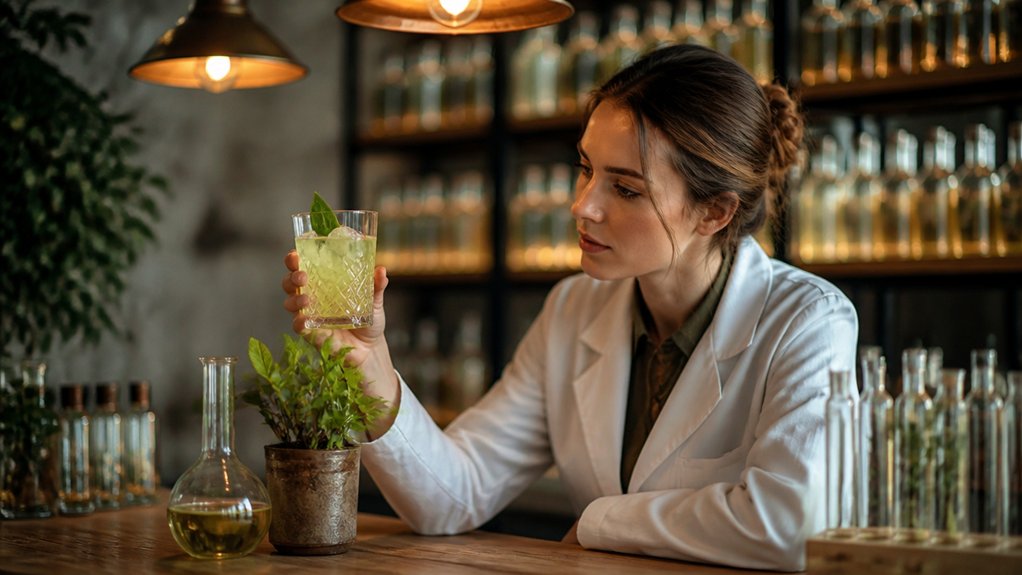
When you choose cultivated botanicals, you can reduce exposure to weather shocks and sourcing disruptions. Controlled growing conditions also help you deliver more consistent flavor from batch to batch. As sustainability expectations rise, you can use cultivation methods that may lower land and water impacts.
Supply Chain Resilience
Beverage brands are turning to cultivated botanicals to make ingredient supply more predictable as climate volatility, crop disease, and geopolitical disruption threaten conventional harvests. For your business, controlled cultivation can reduce dependence on specific growing regions and seasonal harvest windows. It also gives procurement teams greater visibility into production volumes, lead times, and quality controls, supporting more resilient sourcing plans.
This shift doesn’t eliminate agricultural exposure: energy, growth media, specialized equipment, and facility capacity can create new bottlenecks. You’ll need to assess supplier concentration, scale-up timelines, and unit economics alongside crop risks. Genetic modification may support production goals, but it can also trigger regulatory and market-acceptance hurdles. Strong Supply chain integration—from cultivation partners to beverage manufacturers—can improve planning and traceability. Brands that build diversified partnerships now may be better positioned to manage disruption as cultivated ingredients scale.
Consistent Flavor Profiles
Beyond supply security, cultivated botanicals can help beverage brands deliver more consistent flavor profiles. When you grow plant cells under controlled conditions, you can reduce variation tied to harvest timing, geography, and weather. That matters when consumers expect the same aroma, bitterness, or color in every bottle—and when you scale a signature formulation across markets. Strong Flavor consistency can also simplify quality control and protect brand identity as demand rises.
Cultivation isn’t a shortcut to sensory parity, though. You’ll need to tune growth conditions, extraction, and formulation to reproduce the compounds that define each botanical’s character. Innovation challenges include proving that cultivated ingredients perform reliably in complex beverage matrices, securing regulatory acceptance, and communicating their value without overstating equivalence. Brands that pair rigorous sensory testing with transparent sourcing claims can turn repeatable flavor into a practical product advantage, not just a laboratory promise.
Reduced Environmental Impact
Cultivated botanicals can reduce pressure on land and water by producing useful plant compounds in controlled facilities, without relying on large-scale field cultivation. For beverage brands, that can mean less exposure to drought, soil degradation, and fragile supply chains, especially for slow-growing or geographically concentrated ingredients. You can also see potential gains in traceability and resource efficiency, though actual impacts depend on energy sources, facility design, and production scale. A climate-controlled process isn’t automatically greener; brands need lifecycle data to substantiate claims and avoid overstating benefits. As costs fall, Innovative formulations may use cultivated ingredients to deliver distinctive flavors with a smaller agricultural footprint. Consumer perceptions will shape adoption: clear sourcing, credible environmental metrics, and familiar taste can build trust. You’ll want evidence, not sustainability language alone.
What Does the Sustainability Evidence Show?
As cultivated meat moves from niche product to mass-market contender, its sustainability case rests on evidence that is promising but still incomplete. For cell-cultured and lab-grown botanical beverages, you should distinguish modeled potential from verified performance. Life-cycle assessments can show lower land use or emissions, yet results shift with energy sources, feedstocks, purification, and facility utilization. If production relies on carbon-intensive electricity or resource-heavy inputs, projected gains may narrow. You’ll also want to examine water demand, waste streams, packaging, and transport—not just headline carbon figures. Recycling innovations could improve material efficiency, while transparent, independently reviewed data help you compare products on consistent boundaries. As capacity scales, manufacturers must report actual operating impacts alongside forecasts. Consumer perceptions may shape market narratives, but they don’t substitute for measurable outcomes or robust, region-specific evidence.
What Will Persuade Consumers to Try These Drinks?
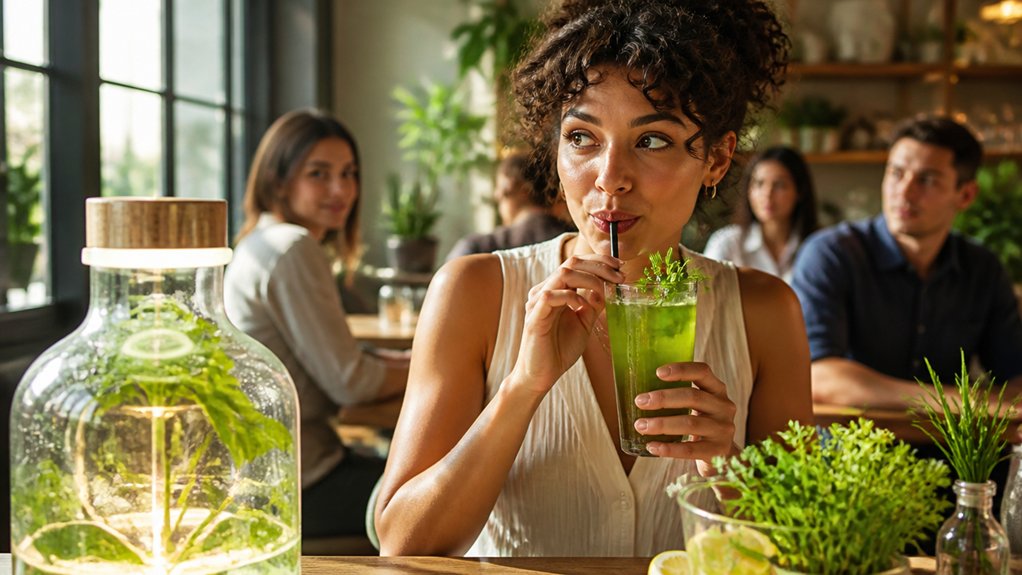
Consumers may be curious about cultivated meat, but they’ll try it when the product delivers on taste, price, convenience, and trust. For cell-cultured and lab-grown botanical beverages, you’ll also look for familiar formats, clear ingredient lists, and credible reasons to choose them. Brands can reduce uncertainty by explaining how cultivation works, what the drink contains, and how it fits your routines—without overstating environmental or health benefits.
Consumer acceptance will depend on more than novelty. You’ll respond to transparent labeling, consistent quality, and endorsements from trusted retailers, food professionals, or independent experts. Regulatory challenges matter, too: clear approval pathways and enforceable standards can signal oversight, while fragmented rules may leave you unsure what claims to believe. Sampling in cafés and stores can turn abstract technology into an approachable experience. As availability expands, credible communication and visible safeguards will help you decide whether these drinks deserve a place in your basket.
Can Taste and Price Hold Back Adoption?
You may be curious about these drinks, but taste expectations can quickly shape whether you buy again. If flavor falls short of familiar benchmarks, novelty won’t sustain demand. Premium pricing can add another hurdle, especially as shoppers weigh value against established alternatives.
Taste Expectations
Taste and price can decide whether a novel product moves beyond early adopters. For cell-cultured and lab-grown botanical beverages, taste expectations will shape whether you choose a second serving—or return to familiar options. You’ll look for recognizable aroma, balanced sweetness, and a finish that feels intentional, not merely acceptable.
Flavor innovation can help producers deliver those cues while preserving the distinctive profiles that make these drinks worth trying. Yet novelty alone won’t secure consumer acceptance; you’ll compare each sip with established beverages and expect consistent quality across batches. Formulation teams must consequently manage botanical variability, fermentation notes, and texture without masking the product’s identity.
As the category scales toward 2027, sensory testing and transparent descriptions can align expectations with experience. When the flavor delivers, you’re more likely to recommend the drink and make it part of your routine.
Price Barriers
Even a compelling flavor may not justify a premium price. If you’re comparing cultured or lab-grown botanical drinks with familiar alternatives, a noticeable markup can outweigh novelty, especially when taste differences seem modest. In 2027, production scale, ingredient yields, and specialized equipment will shape costs; brands that improve fermentation efficiency and secure reliable inputs can narrow the gap.
You’ll also judge value through more than shelf price. Clear sourcing, consistent flavor, and credible sustainability claims can support a premium, but vague promises won’t. Consumer education can explain how cultivation works and why it may cost more, while Innovative marketing can frame trial around distinctive taste, convenience, or functional benefits. Still, repeat purchases depend on everyday affordability. Watch for smaller trial formats, targeted promotions, and retailer partnerships that lower your entry cost without weakening perceived quality.
What Labels and Rules Will Shoppers See?
As cultivated meat moves from niche launches toward broader retail distribution, shoppers will need labels that explain what they’re buying without overstating how it was made. For cell-cultured and lab-grown botanical beverages, you’ll likely see ingredient lists, production disclosures, and claims shaped by jurisdiction-specific rules. Regulatory hurdles remain: agencies may distinguish fermentation-derived ingredients from cultured animal cells, while requiring evidence for terms such as “natural,” “plant-based,” or “sustainable.” Clear naming can help you identify the source and process, but no single label format guarantees consistency across markets.
Expect Consumer perceptions to influence how brands present unfamiliar methods. You’ll benefit from plain-language explanations and traceable sourcing details, especially where product names risk implying traditional cultivation. As standards evolve, compare the ingredient panel and verified claims rather than relying on front-of-pack language alone. That approach supports informed choices without confusing innovation with nutritional or environmental proof.
What Market Signals Show Retailer and Investor Demand?
Clear labels can help shoppers assess new products, but retailer commitments and investor activity offer stronger signals of whether cultivated meat is moving beyond niche demand. For botanical beverages, you should track shelf trials, repeat orders, and distribution beyond specialty stores. A limited launch signals curiosity; sustained placement and replenishment suggest buyers see viable turnover. Retailers also reveal priorities through category reviews, private-label tests, and partnerships with ingredient suppliers.
Investment offers another measure. You can watch funding rounds, strategic stakes, and capacity financing, while distinguishing announced plans from capital actually deployed. Investors assess production costs, supply reliability, and credible routes to revenue—not just consumer interest. Market adoption becomes more convincing when commercial contracts and repeat purchases reinforce one another. Consumer perception still matters: retailer data can show whether trial converts into routine buying, rather than publicity alone.
What Could Bring Botanical Drinks Mainstream in 2027?
Botanical drinks could reach mainstream shelves in 2027 if brands pair distinctive flavors and credible health claims with familiar formats, accessible prices, and dependable supply. You’ll see adoption accelerate when companies translate ingredients such as cultured botanicals into recognizable benefits without overstating evidence. Clear labeling and consumer education can explain how these ingredients are made, what they contribute, and how products differ from conventional extracts. Brands should also fit existing habits: offer ready-to-drink cans, mixers, and approachable flavor profiles rather than asking shoppers to learn a new category. Innovative marketing, including sampling and credible creator partnerships, can reduce trial barriers and build trust. Retailers will look for repeat purchases, consistent quality, and margins that support shelf space. If manufacturers scale production reliably and keep prices competitive, botanical beverages can move beyond specialty aisles toward everyday occasions.


