
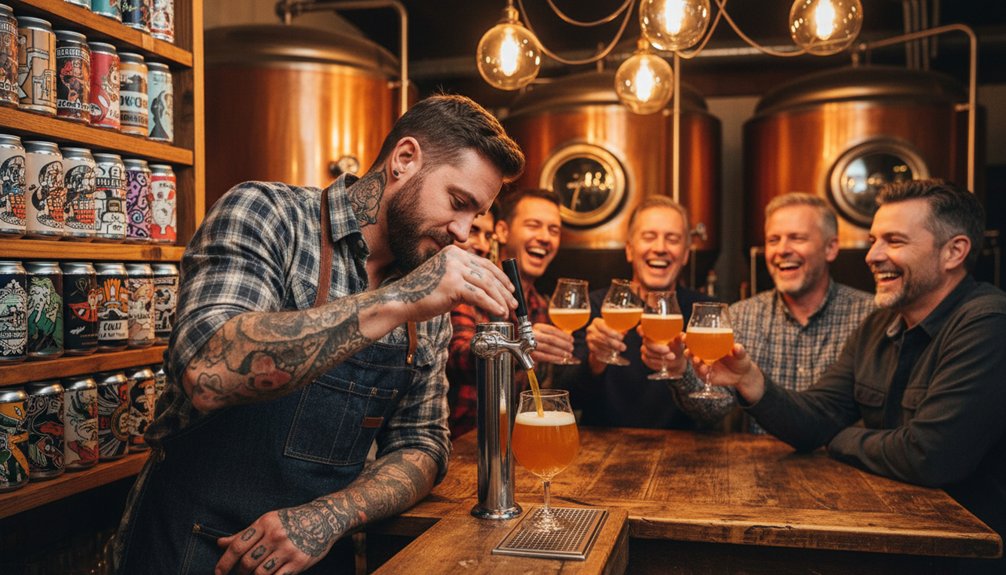
You build a loyal craft beer following by giving people a genuine reason to trust, recognize, and return to your brewery. Define what makes your beer distinct, then express that identity consistently through flavor, packaging, stories, and service. Speak to the audience you want to reach without chasing every trend. Share the people and choices behind each pour, and strengthen local ties through memorable taproom experiences and partnerships. The strategies ahead show how to turn authenticity into lasting loyalty.
Define What Makes Your Brewery Different

Before you design a logo or choose a label palette, define what sets your brewery apart. Your distinction should come from decisions you can explain and consistently deliver, not claims any competitor could make. Examine your brewing methods, ingredient choices, local roots, and founding purpose. Heritage storytelling can give those details meaning, but ground every account in verifiable history rather than borrowed nostalgia. Your recipes matter, too: Unique flavor profiles can express a point of view through carefully chosen ingredients, fermentation, and balance. Identify the qualities customers can recognize across your beers and experiences. Then connect those qualities to a clear brand promise your team can uphold. When you know what makes your brewery distinct, you can build an identity with substance, earn trust through consistency, and create recognition that lasts beyond a single release or trend.
Position Your Brewery for the Right Audience
To position your brewery well, define the crowd you want to reach and what matters to them. Show how your brewery stands apart rather than relying on broad craft-beer claims. Then align your brand with local tastes without losing its distinct character.
Define Your Ideal Crowd
A strong brewery brand starts with a clear picture of who you want to reach. Define your target audience by looking beyond broad labels like “craft beer drinkers.” Consider customers’ tastes, habits, values, and occasions: Do they seek adventurous releases, reliable pints after work, or thoughtful food pairings? Use sales patterns, taproom conversations, and local research to test your assumptions rather than relying on stereotypes.
Then shape a brand persona that speaks naturally to those people. Decide what tone, imagery, and level of expertise will feel credible to them, and keep those choices consistent across your menu, social channels, and taproom experience. You don’t need to appeal to everyone. A precise audience helps you make clearer marketing decisions, build genuine recognition, and give the right customers a reason to return.
Highlight What Sets You Apart
Once you know whom you want to reach, identify what gives your brewery a distinct place in their lives. Look beyond broad claims such as quality or passion; your competitors can make them, too. Pinpoint the choices and commitments that customers can recognize: a distinctive brewing philosophy, a carefully defined portfolio, or a meaningful role in your community. Then connect those strengths to what your ideal crowd values. Use brand storytelling to explain why you brew the way you do, grounding each claim in specific decisions rather than polished slogans. Let community engagement demonstrate your principles through genuine relationships, not one-off promotions. Your position should make clear who you serve, what you offer that others don’t, and why that difference matters. Keep it consistent across every customer touchpoint, from taproom conversations to packaging.
Match Your Brand To Local Tastes
Even a distinctive brewery needs a brand that resonates with the people who’ll actually find it. Start by learning how your local audience drinks: ask retailers what sells, listen to taproom feedback, and study neighborhood dining habits. Use Market segmentation to distinguish curious newcomers from seasoned enthusiasts, then tailor your messaging without reducing either group to a stereotype.
Your Flavor profiles should reflect local preferences while preserving your brewing identity. If nearby drinkers favor crisp lagers or hop-forward ales, make those strengths easy to discover; use limited releases to test less familiar styles. Let your menu, packaging, and events explain why each beer belongs in your lineup. Don’t chase every trend or assume one city has a single palate. Track repeat purchases and direct feedback, then adjust thoughtfully. A clear local fit helps you earn trust and build lasting loyalty.
Build a Recognizable Craft Beer Brand

Recognition doesn’t come from a logo alone; it comes from a consistent identity that customers can spot and remember. Build that identity across your cans, taproom, website, and social channels. Use a distinctive color palette, typography, and packaging system, then apply them consistently so each encounter reinforces the last. Make your visual choices legible at a glance, especially on crowded shelves, and guarantee they reflect the quality and character of your beer.
You don’t need to chase every Craft beer trend to stay relevant. Choose only those that fit your brewery’s values and audience, and let brewing innovation show through clear, recognizable design rather than constant reinvention. Keep core elements stable while invigorating seasonal releases with disciplined variations. When customers can identify your work before reading the label, you’ve built recognition that supports trust, repeat purchases, and lasting loyalty.
Tell the Story Behind Every Pour
A memorable beer gives people more than flavor; it gives them a reason to care. When you explain why you brewed it, you turn a recipe into a story customers can remember and share. Describe the place, people, or tradition that shaped the beer, then connect those details to its ingredients and character. Specifics build credibility; vague claims about passion don’t.
Let Flavor innovation serve the story, not overshadow it. Tell customers what inspired an unusual ingredient or technique and what they should notice in the glass. Packaging design can reinforce that meaning through clear, consistent cues, but the narrative must go deeper than appearance. Give staff and retailers a concise account they can tell accurately. When your story reflects real choices, each pour strengthens trust and gives your community a reason to return.
Design Cans That Stand Out
Your can needs a bold visual identity that signals your brand at a glance. Choose a distinctive color palette to stand apart on crowded shelves. Give your label a clear hierarchy so shoppers can find the beer’s style and key details quickly.
Bold Visual Identity
On a crowded taproom shelf, a can has seconds to make an impression. Your visual identity should communicate the beer’s character before a customer reads the fine print. Use bold typography to make the brewery name and beer style easy to recognize at a glance. Pair it with striking imagery that reflects your story, ingredients, or brewing approach—not generic graphics chosen simply to look edgy.
Build a clear visual hierarchy: guide the eye from the brewery mark to the beer name, then to essential details such as ABV. Keep each element legible at can size, where intricate artwork can quickly lose impact. Consistent design across releases helps customers identify your work and builds recognition over time. Make deliberate choices, and your packaging can feel distinctive without sacrificing clarity or authenticity.
Distinctive Color Palettes
Once the visual hierarchy is clear, color can make your can recognizable from across the taproom. Choose a palette that reflects your beer’s character and your brewery’s point of view. Color psychology can inform those choices: deep hues may suggest richness, while bright tones can convey freshness or energy. Treat these associations as cues, not rules; test colors against the expectations of your audience and the realities of print.
Distinctive doesn’t mean loud. A disciplined palette can stand apart through an unexpected pairing, a restrained accent, or a confident use of negative space. Consider how your colors work across seasonal releases and different beer styles. Branding consistency builds recognition, but it shouldn’t flatten each beer’s personality. Set a coherent core palette, then allow deliberate variations that feel unmistakably yours and remain legible under taproom lighting.
Clear Label Hierarchy
A clear label hierarchy helps shoppers understand a beer at a glance, even in a crowded cooler or taproom. Put your brewery name, beer style, and defining flavor cues where the eye lands first. Use scale, contrast, and spacing to distinguish essentials from supporting details; don’t make every element compete for attention.
Your hierarchy should also help customers navigate Flavor innovation. Name unusual ingredients or techniques clearly, then give them room to intrigue without obscuring the style or strength. Keep typography legible at arm’s length, and test designs on actual cans under realistic lighting.
Treat Packaging sustainability as part of the system, not an afterthought. Choose materials and finishes that support your visual priorities without unnecessary layers. When every detail earns its place, your can reads quickly, feels considered, and stands out for the right reasons.
Keep Your Brewery’s Voice Authentic
Your brewery’s voice should sound like the people behind the beer, not like a marketing template. Choose language that reflects your values, your brewing philosophy, and the experience you want each beer to deliver. If you prioritize Flavor innovation, explain what drives your experiments and what drinkers can expect, without leaning on vague claims. When you discuss sustainability initiatives, be specific about the choices you’ve made and their impact. Clear, grounded details earn more trust than grand promises.
Keep your tone consistent across packaging, your website, taproom materials, and announcements. You don’t need to sound polished in the same way every time; you do need to sound recognizably like your brewery. Avoid borrowed slang, inflated superlatives, and jokes that don’t fit your culture. Let your voice clarify what makes your beer distinct and give customers a reason to believe you.
Show the People Behind the Beer on Social Media
An authentic brand voice gains credibility when people can see who’s behind it. Introduce your brewers, cellar team, and designers through candid posts that show how they work, what they value, and why they make particular choices. Brewer personality matters: let each person speak in their own voice rather than forcing everyone into polished brand copy. You’ll build trust when followers recognize real expertise and distinct perspectives, not staged enthusiasm.
Make your Social media strategy consistent, but don’t make every post a promotion. Share short interviews, process insights, ingredient decisions, and lessons from batches that didn’t go as planned. Ask thoughtful questions and respond with care; conversation should feel reciprocal, not engineered for engagement. Credit the people behind each release, and keep claims specific. When you show genuine craft and judgment, followers have reasons to care about your brewery beyond its labels.
Make Taproom Visits Memorable
When guests step into your taproom, the experience should bring your brand to life through thoughtful details, warm service, and a clear sense of place. Carry your brewery’s identity into the room with considered design, clear menus, and a layout that invites guests to settle in. Creative tasting experiences can help visitors understand your brewing choices: offer guided flights, explain distinctive ingredients, or compare styles side by side. Keep each activity useful and approachable rather than theatrical.
Train your team to read the room, answer questions accurately, and recommend beers without pressure. Memorable staff interactions build trust when your people share genuine knowledge and listen closely to guests’ preferences. Make service consistent, from the first greeting to the final pour. When every detail feels intentional, guests leave with a stronger sense of what your brewery stands for—and a reason to return.
Build Local Loyalty Through Partnerships and Events
A memorable taproom can turn a first visit into a lasting connection, and local partnerships give that connection roots beyond your doors. Build Community partnerships with nearby farms, restaurants, artists, and nonprofits whose values complement yours. Feature their ingredients, host collaborative tastings, or create a limited release that tells a shared local story. These efforts give customers a meaningful reason to choose your brewery and help keep spending within the community.
Choose Local event sponsorships with care. Support neighborhood festivals, charity runs, or cultural gatherings where your team can meet people face to face and contribute more than a logo. Offer a well-run tasting station, volunteer alongside organizers, or provide practical support. Consistent participation earns trust; scattered appearances rarely do. Ask partners what they need, follow through, and build relationships that last beyond a single event.
Grow Your Brewery’s Audience Without Losing Its Identity
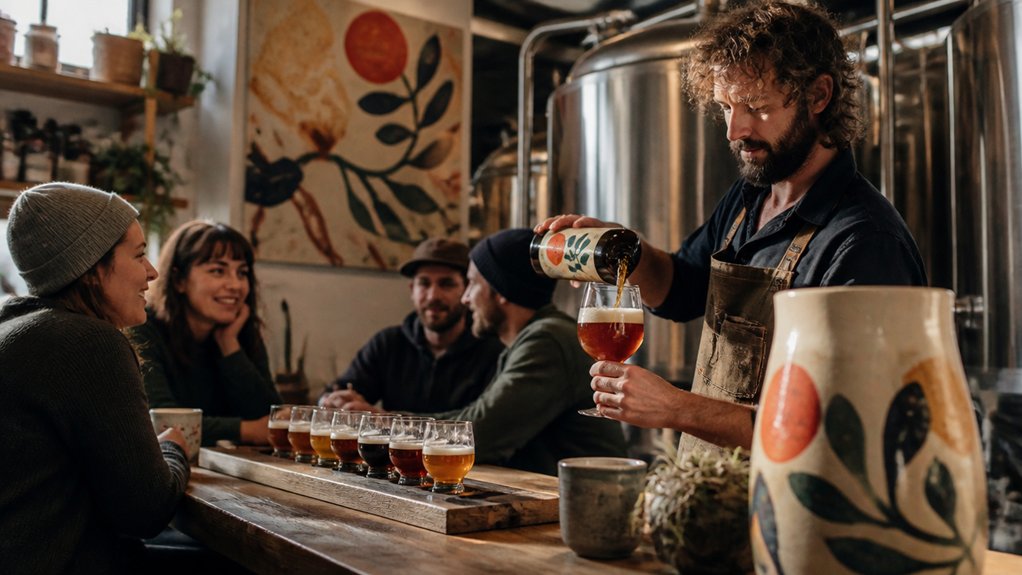
As your brewery gains visibility, growth should amplify what makes it distinct, not dilute it. Define the qualities customers already recognize—your brewing philosophy, local roots, and appetite for experimentation—then use them to guide every new channel, collaboration, and release. Crafting narratives around ingredients, process, and people gives newcomers a reason to care without turning your story into a sales script.
Scale deliberately. Choose distribution partners who respect your standards, and expand into markets where your identity makes sense. Engaging communities means listening as well as posting: invite feedback, answer questions, and keep showing up beyond launch day. Don’t chase every trend or broaden your lineup just to satisfy demand. Measure growth by lasting trust, not reach alone. When your choices remain consistent, a larger audience can deepen your following rather than flatten your character.