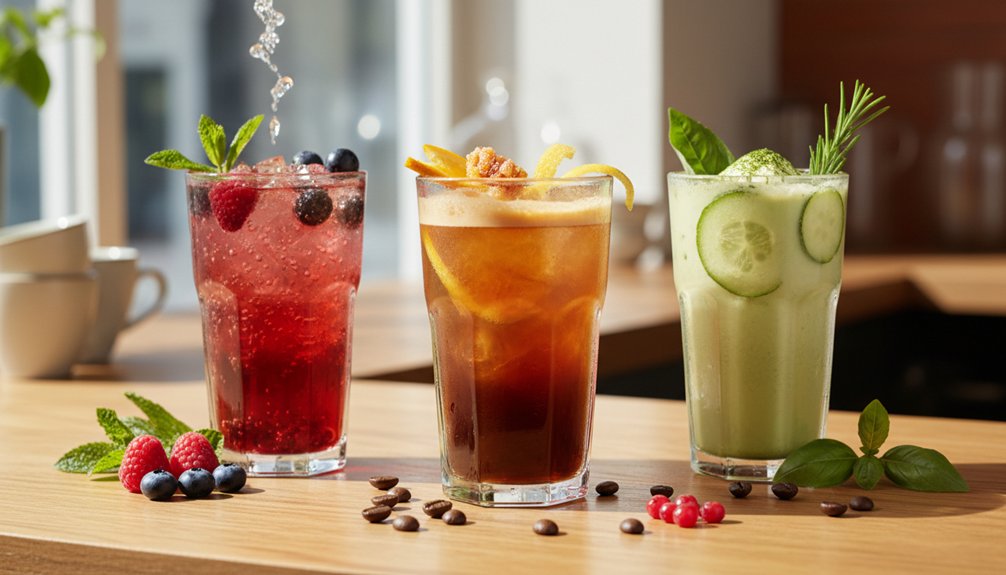
Hybrid beverages blend familiar formats—such as coffee, tea, or sparkling water—with functions like energy, hydration, or wellness support. In 2025, you’ll find drinks combining caffeine, electrolytes, vitamins, botanicals, or protein for commutes, workouts, and afternoon resets. Their convenience can appeal, but benefits depend on ingredients, doses, and evidence—not bold packaging claims. Check caffeine totals, sugar, serving sizes, and transparent labels before choosing. The trend’s staying power will depend on taste, credible benefits, and everyday value; the key distinctions become clearer ahead.
What Counts as a Hybrid Beverage?
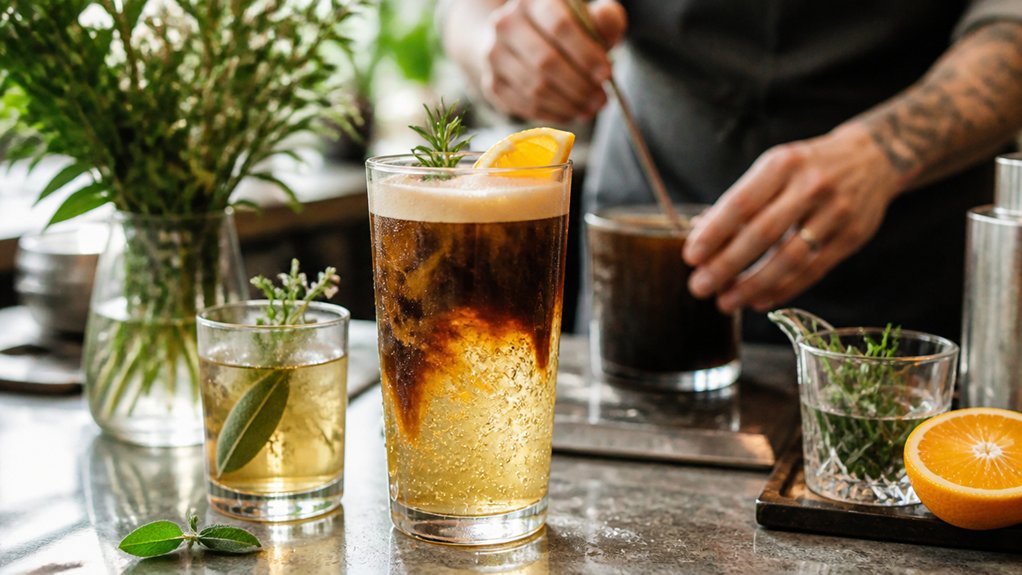
A hybrid beverage combines two or more familiar drink formats, functions, or ingredient profiles in one product. You can identify one by its deliberate combination, not simply by an unusual flavor or a new label. A sparkling tea with fruit juice, for example, blends recognizable beverage bases; a drink pairing hydration with a distinct texture may also qualify. The defining feature is a coherent product experience that brings established categories together.
For product teams, the concept creates room for Flavor innovation while raising practical questions: Will consumers understand the blend, and can manufacturers deliver consistent taste, stability, and quality? Packaging sustainability matters, too. A hybrid may require different materials or formats to protect its ingredients and communicate its identity. Clear labeling and credible claims help you explain what’s combined without overstating benefits.
Why Are Coffee, Energy, and Wellness Drinks Blending?
As consumers seek drinks that do more than deliver caffeine, brands are bringing coffee, energy, and wellness cues into the same product. You’re seeing this convergence because your routines increasingly demand convenience without sacrificing choice: one drink can fit a commute, workout, or afternoon reset. Cultural influences also shape expectations, as café craftsmanship, functional fitness, and self-care increasingly overlap in everyday life. For brands, blending these categories creates room to reach shoppers who move between occasions rather than identify with a single beverage aisle. Market trends reinforce the strategy: consumers seek versatile options, while retailers compete for attention in crowded shelves. Hybrid positioning can help a product stand out, but it also raises the bar for clear benefits and credible claims. You’ll reward brands that make the purpose easy to understand.
What Goes Into Today’s Hybrid Drinks?
Today’s hybrid drinks combine a familiar base—such as coffee, tea, or sparkling water—with ingredients that signal energy or wellness. You’ll often find caffeine paired with electrolytes, vitamins, adaptogens, or botanical extracts, though amounts and evidence vary by product. Protein, fiber, and low-calorie sweeteners also appear as brands target shoppers seeking added function without sacrificing taste. Read labels: ingredient presence doesn’t guarantee a meaningful dose or proven benefit.
Flavor innovation helps these formulas feel distinctive. You’ll see citrus, berry, tea, and botanical notes balance bitterness, sweetness, and functional ingredients, while natural flavors and reduced sugar support cleaner-label positioning. Brands also use carbonation, concentrates, and layered flavor profiles to broaden sensory appeal. Packaging trends reinforce the proposition: sleek cans, clear ingredient callouts, and recyclable materials communicate convenience, transparency, and sustainability. Together, formulation and presentation shape a category built around recognizable bases and carefully signaled benefits.
Which Hybrid Drinks Suit Different Daily Routines?
Your routine can guide which hybrid drink fits best, as brands tailor formulas to distinct moments of the day. For a morning energy boost, you might choose blends pairing caffeine with functional ingredients; during focused work, lower-sugar options with tea or nootropics may suit your pace. In the evening, caffeine-free wellness drinks can support a calmer wind-down.
Morning Energy Boosts
For a morning energy boost, the best hybrid drink depends on your routine and how much stimulation you want. If you need a familiar start, choose coffee blended with protein or adaptogens; check labels, since evidence for many botanical benefits remains limited. For a gentler lift, try matcha with milk or a lightly caffeinated tea-and-electrolyte blend. These options can fit Morning rituals without turning every wake-up into a high-stimulant event.
When you’re rushing out the door, a ready-to-drink coffee-and-protein hybrid offers portability, but compare added sugar and caffeine per serving. If you’re sensitive to stimulants, select a lower-caffeine formula or decaf base, and hydrate with water alongside it. Track how each drink affects your sleep and energy later. That awareness can help you avoid caffeine dependency while keeping your morning routine practical, enjoyable, and aligned with your actual needs.
Focused Workday Sips
When your workload shifts from quick replies to deep-focus sessions, match your hybrid drink to the task rather than chasing a stronger stimulant. For routine admin, a lightly caffeinated tea-and-fruit blend can offer a gentler lift; for sustained analysis, coffee paired with protein or fiber may make a more satisfying desk-side option. Check caffeine per serving, since formulations vary and sensitivity differs. If you’re moving between meetings, choose a portable, lower-sugar sparkling coffee or tea hybrid that won’t feel heavy. In 2025, Flavor innovation brings botanical notes, citrus, and functional ingredients into familiar formats, while branding strategies increasingly signal use occasions, not just energy levels. Read labels for transparent amounts and claims, then test how a drink fits your schedule. Your best workday sip supports focus without replacing water or a balanced meal.
Evening Wellness Drinks
As the day winds down, choose an evening hybrid for its flavor and fit—not unproven promises of better sleep. If you’re winding down after a late workout, try a low-sugar tart cherry drink with electrolytes; check the label, since formulations vary and evidence for recovery benefits remains limited. For a caffeine-free ritual, Herbal infusions blended with sparkling water or a splash of oat milk offer layered flavor without another stimulant. If you’re replacing a dessert, choose a lightly sweetened cocoa-and-spice blend, and compare added sugars across brands. These formats reflect a broader shift toward occasion-based beverages: consumers want functional cues, but transparent ingredients matter more than sweeping claims. For evening relaxation, match the drink to your routine, keep portions comfortable, and remember that caffeine sensitivity and individual responses differ.
Do Hybrid Drinks Deliver Their Wellness Benefits?
Hybrid drinks promise everything from gut support to sustained energy, but you’ll want to check whether clinical evidence backs each claim. Weigh potential benefits against risks such as added sugar, stimulants, or overlapping ingredients. The label can help you judge what you’re actually getting—and whether the formula fits your needs.
Evidence Behind Wellness Claims
Wellness claims help fuel the hybrid beverage boom, but a functional ingredient on the label doesn’t guarantee a meaningful benefit in the glass. To judge whether a drink delivers, you need to look beyond trend-forward packaging and examine the evidence for its specific ingredients, dose, and format.
Scientific studies often test isolated compounds under controlled conditions, not the finished beverage you’re considering. That distinction matters: processing, serving size, and ingredient combinations can affect what you actually consume. Look for human trials that match the product’s dosage and intended use, and check whether researchers measured outcomes consumers care about.
Health claims also vary in strength. Some reflect established evidence; others lean on early findings or broad language. As brands compete to own wellness occasions, transparent sourcing and clear citations help you separate substantiated benefits from clever positioning and assess what the product can credibly promise.
Benefits Versus Risks
When a hybrid drink delivers a studied ingredient at an effective dose, it may offer a real benefit—but the format can also introduce trade-offs. You might gain alertness from caffeine or support hydration with electrolytes, but combining these ingredients doesn’t automatically amplify their effects. Benefits depend on the compound, dose, and your needs; evidence for a single ingredient may not validate the finished drink. Meanwhile, added sugar, high caffeine, or stimulant stacking can undermine the wellness pitch, affecting sleep, heart rate, or daily calorie intake. Health implications also vary with medications, sensitivity, and consumption habits, so a product that suits one person may not suit you. Consumer perceptions often favor convenient, functional formats, yet marketing can outpace research. Treat hybrid drinks as targeted options, not shortcuts to better health.
Reading the Label
How can you tell whether a hybrid drink delivers what its wellness claims promise? Start with Ingredient transparency: check whether the label names each active ingredient and states its amount per serving. “Adaptogenic” or “focus-supporting” language means little if a blend hides doses behind a proprietary formula. Compare caffeine totals across coffee, tea extracts, and added stimulants; the combined load can exceed what you expect. Then assess evidence. A listed ingredient may have research behind it, but that doesn’t prove this product, dose, or combination produces the advertised effect.
Check allergen labeling and serving size, too. Protein, botanical extracts, and flavor systems can introduce allergens or sensitivities, while multiple servings multiply exposure. Look for sugar, sweeteners, and third-party testing. You’ll make a sharper choice when measurable facts outweigh wellness buzzwords.
What Could Slow the Hybrid Beverage Boom?
Even as hybrid beverages gain shelf space, their growth could slow if consumers see them as expensive novelties rather than useful everyday products. You’ll notice price sensitivity quickly when a can costs more than coffee or a conventional energy drink without delivering a clear benefit. Consumer skepticism may deepen if brands make vague wellness claims, overload drinks with caffeine, or disguise sugar behind functional messaging. Regulatory hurdles also matter: evolving rules on ingredient safety, labeling, and health claims can raise compliance costs and delay launches. Supply constraints for botanicals, adaptogens, or specialty proteins may further squeeze margins and limit availability. To sustain momentum, you need products that taste familiar, justify their price, and communicate benefits transparently. Retailers will favor repeat purchases over novelty, so credible formulation and everyday value must outlast launch buzz.


