
Beverage concentrates let you transport flavor, sweetness, and functional ingredients without shipping as much finished drink. Brands dilute them near consumers, cutting freight weight and often packaging per serving while using locally available potable water. Manufacturing choices, crop sourcing, and basin conditions still determine the full water footprint; concentrates don’t automatically save water everywhere. By 2027, credible progress will depend on lifecycle comparisons, responsible sourcing, and verified watershed outcomes. Explore how formulation, distribution, and adoption shape those results.
What Are Water-Saving Beverage Concentrates?
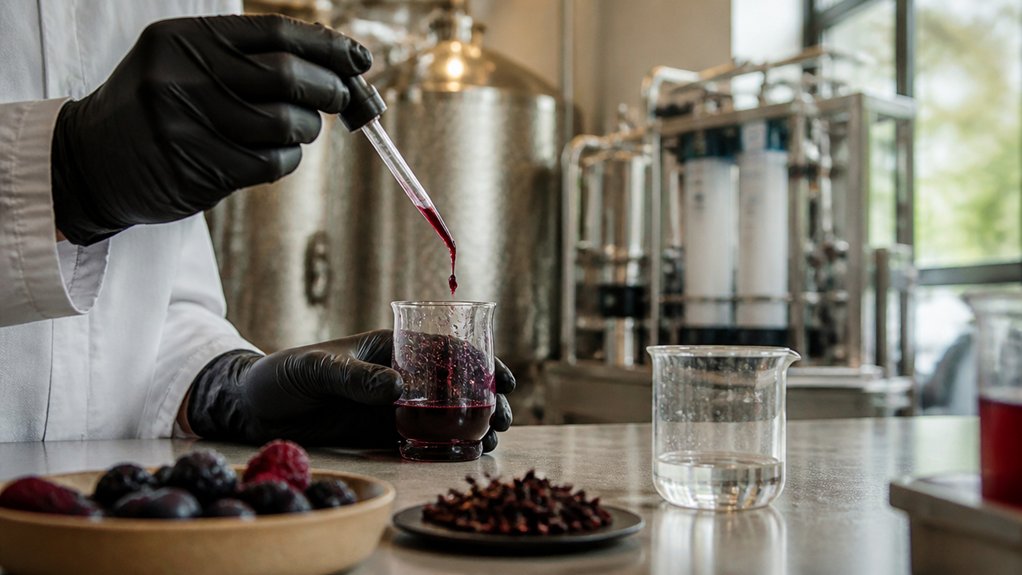
Water-saving beverage concentrates deliver flavor, sweetness, or functional ingredients in a compact format that you dilute at the point of use. You transport and store less finished beverage, reducing packaging demand and freight emissions per serving. The concentrate itself doesn’t eliminate water use; it shifts much of the dilution to your home, workplace, or dispensing site, where you can use locally available potable water.
For manufacturers, this format supports Hydration strategies that serve varied needs, from everyday drinking to electrolyte replenishment, without shipping water-heavy products. You can adjust serving strength and portion size, while flavor optimization helps maintain a consistent sensory profile across dilution levels. Evaluate concentrates by comparing water, energy, packaging, and transport impacts across the full product lifecycle. Clear directions also help you dilute accurately, avoid waste, and achieve the intended taste and function.
How Beverage Concentrates Are Made
You’ll start by selecting ingredients for flavor, stability, and efficient water use. Then you’ll blend them to meet target specifications while controlling variability. Finally, you’ll concentrate the mixture using processes that reduce water demand and preserve quality.
Ingredient Selection
Because ingredient choices determine a concentrate’s flavor, stability, and water footprint, manufacturers assess each component for performance and resource demand. When you evaluate a formulation, consider fruit, botanicals, acids, sweeteners, and functional ingredients alongside their crop needs and supply-chain impacts. Responsible ingredient sourcing can prioritize drought-tolerant crops, regional suppliers, and verified agricultural practices, while accounting for seasonal variability and traceability. You’ll also need to weigh soluble solids, acidity, and natural flavor compounds because these properties affect sensory quality and shelf stability. Flavor innovation can draw on upcycled fruit streams or concentrated extracts, provided they meet safety, consistency, and labeling requirements. Screen suppliers for water-risk exposure and credible stewardship data, not just price. This disciplined selection helps you protect taste, secure resilient inputs, and reduce pressure on vulnerable watersheds.
Blending And Concentration
Once ingredients are selected, blending and concentration turn them into a consistent, shelf-stable beverage base. You combine juices, extracts, acids, sweeteners, and functional ingredients under controlled conditions, balancing soluble solids, pH, and flavor. Inline sensors and batch records help you catch variation before it reaches packaging.
You then remove water, often through vacuum evaporation or membrane filtration. Lower temperatures can protect volatile aromas and heat-sensitive nutrients, while efficient systems reduce energy demand. Concentration also cuts shipping volume, helping you move more product with less fuel and packaging.
Your formulation must still reconstitute reliably at the point of use. Precise mixing instructions and quality checks protect taste across markets. Flavor innovation can differentiate reduced-water products; branding strategies can explain their resource benefits without overstating impact. Together, process control and transparent communication support resilient, lower-resource beverage production.
Why Drinks Are Diluted Near Consumers
When you ship beverage concentrates, you move less weight, which can lower transport emissions and costs. Concentrated formats can also reduce packaging needs across the supply chain. Near consumers, you add local water to bring the drink to its intended strength.
Lower Transport Weight
Why ship water when local water can do the job? Concentrates let you move flavor, sweeteners, acids, and functional ingredients without hauling the beverage’s full water volume. At the destination, producers blend the concentrate with treated local water to meet a defined formulation and quality specification. You reduce shipment mass, fuel demand, and transport-related emissions per serving—especially across long routes or water-intensive distribution networks.
The savings depend on concentration, sourcing, and logistics; they aren’t automatic. You’ll need robust controls for water chemistry, sanitation, dosing, and batch consistency, because local minerals and treatment conditions can shift taste or stability. Innovative packaging can protect concentrated ingredients during transit, while clear preparation instructions support Consumer acceptance. Validate sensory quality and shelf life at the point of dilution, then compare lifecycle impacts across the full supply chain before scaling.
Reduced Packaging Needs
How much packaging can you avoid by shipping a drink as a concentrate? When you remove water before distribution, you can often replace multiple ready-to-drink containers with one compact pack. That shift cuts demand for bottles, cans, caps, labels, and secondary cartons, reducing material use across the supply chain.
Packaging innovation makes the format practical: lightweight, high-barrier pouches, recyclable mono-material packs, or refillable dispensers can protect concentrated formulas while using less resin or aluminum. You’ll still need packaging that withstands handling, limits oxygen and moisture exposure, and supports accurate dosing; otherwise, product loss can erase environmental gains.
Consumer acceptance depends on convenience and clear instructions. If you can measure portions easily and trust consistent taste, concentrates can fit everyday routines. Compare total packaging per serving—not just pack weight—to verify genuine reductions and avoid shifting impacts to other materials.
Local Water Addition
Reducing packaging at the source is only part of the savings: concentrates also let producers ship less water and add it back near the point of use. When you dilute a beverage close to consumers, you avoid transporting water that’s readily available locally, lowering freight emissions and reducing pressure on packaging and logistics. But local addition functions only when you assess water quality, treatment needs, and seasonal availability. Your facility may need filtration, disinfection, and precise blending controls to meet product specifications consistently. Innovative water management means measuring withdrawals, reusing process water where safe, and adapting sourcing to local conditions. You should also evaluate community water impact before expanding production: industrial demand can compete with household and agricultural needs. Transparent monitoring and community engagement help ensure efficiency doesn’t shift scarcity onto residents.
Which Drinks Are Moving to Concentrates?
From soft drinks and flavored waters to sports drinks, teas, and ready-to-drink cocktails, more beverage brands are exploring concentrates to cut the water shipped in finished products. You’ll also see concentrate formats enter functional beverages, where precise dosing helps preserve active ingredients and deliver consistent taste after reconstitution. Coffee, juice, and powdered hydration products offer further opportunities, though each category demands careful control of acidity, aroma, solubility, and shelf stability.
For manufacturers, the shift isn’t simply about removing water. You’ll need formulation trials to maintain sensory quality, then clear preparation instructions so consumers can restore the intended profile. Flavor innovation can distinguish concentrated products through layered botanicals, fruit blends, or adjustable sweetness. Meanwhile, branding strategies can frame them as convenient, lower-weight choices without implying unverified environmental benefits. Category adoption will depend on performance, price, and consumer trust.
How Concentrates Affect Local Water Supplies
Concentrates reduce the water shipped per serving, lowering transport weight and associated emissions. But you’ll need to assess where ingredients and processing water are sourced, since local extraction can strain already limited supplies. A credible sustainability plan tracks both supply-chain water savings and basin-level impacts.
Reduced Transport Water
How much water does a product really move? When you ship a ready-to-drink beverage, you’re transporting its water alongside flavor, sweeteners, and packaging. Concentrates change that equation: removing water before shipment reduces product mass and volume, so you can move more servings per truckload and cut freight demand.
That efficiency can lower fuel use and transport-related emissions, while freeing logistics capacity. It doesn’t eliminate water use; it shifts final dilution to the destination, where you can match formulation to product specifications and local requirements. Strong quality controls must preserve taste, safety, and consistency through concentration, storage, and reconstitution.
For your sustainability strategy, Water conservation depends on measuring the full supply chain, not just shipping weight. Beverage innovation can make distribution leaner, but credible claims require lifecycle data on processing energy, packaging, and water added at the point of sale.
Local Extraction Pressure
Where water is sourced can matter more than how much a beverage weighs in transit. Concentrates reduce shipping volume, but they don’t reduce the water drawn at the plant or farm. If you choose Local sourcing, assess the basin’s seasonal supply, competing demand, and ecological flows—not just distance to market. A facility can operate efficiently yet intensify scarcity when it pumps during drought or relies on stressed aquifers.
Protecting Water rights requires transparent withdrawal data, permits, and meaningful engagement with communities and Indigenous stewards. Ask suppliers to measure water use by source and disclose replenishment results within the same watershed. Concentration can shift production toward fewer, larger sites, potentially concentrating extraction pressure too. Set basin-specific limits, prioritize recycled process water, and pause expansion when monitoring shows declining groundwater or streamflow. Your sourcing strategy should protect local resilience, not merely optimize freight.
Where Beverage Ingredients Strain Water Supplies
A beverage’s water footprint often extends far beyond the water used in the factory, because crops such as sugarcane, citrus, coffee, and almonds require substantial irrigation. When you assess ingredient sourcing, examine where crops grow, how much rainfall they receive, and whether farms draw from stressed aquifers. The same ingredient can carry very different water risks across regions and seasons. Irrigation efficiency matters, but so do soil health, crop variety, and local water governance. You can reduce pressure by prioritizing suppliers that measure basin-level impacts, use drip systems where appropriate, and protect replenishment rates. Water conservation also means choosing crops suited to local conditions and supporting verified stewardship programs. These decisions help you address agricultural water risk at its source, rather than relying solely on factory-level efficiency.
How Concentrates Change Shipping Emissions
Ingredient choices shape water risk, while product format can reduce the emissions tied to moving beverages. When you ship concentrate instead of ready-to-drink liquid, each truck, railcar, or container carries more servings per load. Lower product mass and volume can cut fuel use, freight emissions, and packaging demand per serving, especially across long routes. The gains depend on concentration, transport mode, refrigeration needs, and whether customers dilute the product locally. You’ll also need compatible dispensing systems and reliable water access at the destination; otherwise, operational burdens can offset logistics benefits. Concentrates give you room for Flavor innovation, from adjustable intensity to region-specific blends, while marketing strategies can explain preparation and value without overstating climate benefits. By redesigning formats around efficient distribution, you can make shipping a meaningful part of beverage decarbonization.
How Brands Can Verify Water Savings
To verify water savings, compare a beverage’s full water footprint with a clearly defined baseline, using the same serving size, production boundary, and accounting method. Include water used in ingredient cultivation, processing, cleaning, and concentrate reconstitution; otherwise, you may overstate reductions. Track both water withdrawals and consumption, since water returned to a watershed isn’t equivalent to water evaporated or embedded in products. Use site-level meter data where possible, then apply recognized lifecycle assessment methods and disclose assumptions, geographic context, and uncertainty. Independent assurance can strengthen claims, while watershed-specific indicators reveal whether savings matter where scarcity is greatest. You should also monitor product quality and actual preparation practices: concentrated formats only deliver expected savings when consumers mix them correctly. Linking verified results to Hydration trends and Consumer preferences helps you communicate measurable progress without implying every formulation benefits equally.
What Could Slow Adoption by 2027?
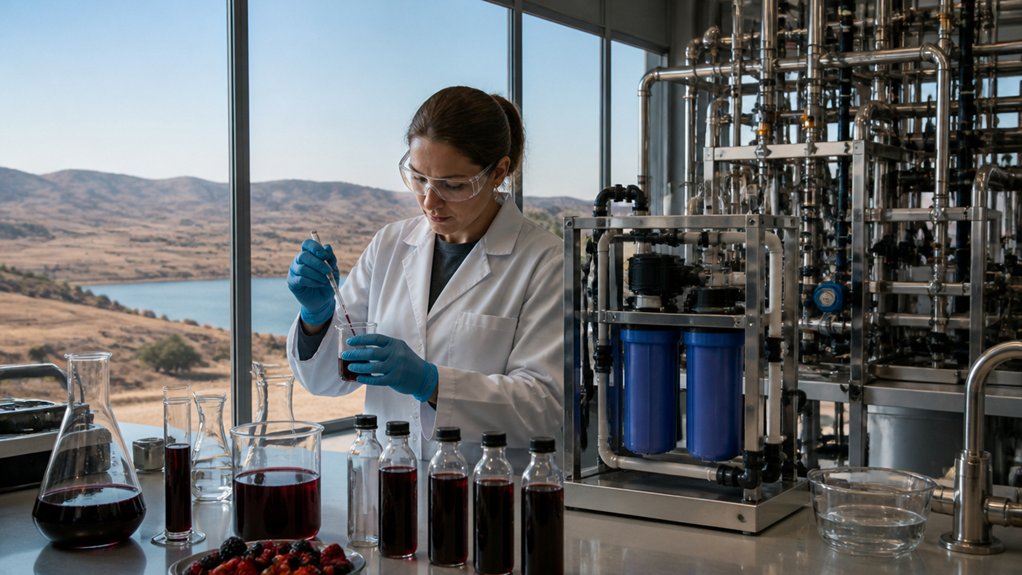
Even when water-scarcity formulations show verified benefits, adoption could lag through 2027 if higher ingredient and processing costs, limited manufacturing capacity, or inconsistent supply make them harder to scale. You’ll also face technical constraints: concentrated recipes can alter flavor, mouthfeel, solubility, and shelf stability, requiring reformulation and validation across production lines. Regulatory hurdles may add time when ingredient changes trigger new labeling, safety reviews, or claims substantiation in different markets. Consumer acceptance isn’t guaranteed; shoppers may resist unfamiliar formats, perceived quality changes, or preparation steps that feel inconvenient. You’ll need reliable sourcing, pilot data, and sensory testing to reduce these risks before committing capital. Without clear water-accounting methods and credible lifecycle evidence, procurement teams may hesitate to approve scale-up, even when a formulation reduces water use at the factory.
Who Benefits From Water-Saving Drinks?
The strongest beneficiaries of water-saving drinks are communities and businesses exposed to water stress, though gains depend on where and how manufacturers reduce use. When you choose concentrates made with efficient cleaning, cooling, and ingredient sourcing, you can support lower withdrawals in vulnerable watersheds. Local residents may gain when factories ease pressure on shared supplies, especially during droughts; transparent reporting helps verify that benefit.
You’ll also see Market innovation as producers redesign formulas, packaging, and distribution to cut water intensity without compromising safety or taste. Farmers and suppliers can benefit when companies invest in resilient crops and responsible irrigation. Yet consumer perception matters: you’re more likely to trust claims backed by lifecycle data, watershed context, and independent audits. Water savings count most when reductions are measurable, locally relevant, and paired with fair access—not simply shifted elsewhere.


