

You build confidence and sales when your health beverage branding makes benefits clear, credible, and easy to verify. Use readable labels, transparent ingredient information, and wellness claims supported by relevant research and compliant with local rules. Distinctive packaging and a relatable brand story help shoppers recognize your product and see its place in their routines. Consistent taste, reliable availability, and targeted marketing encourage repeat purchases. Track sales, conversions, and customer feedback to refine tactics that work; the strategies ahead show how.
Build Trust in Health Beverage Branding
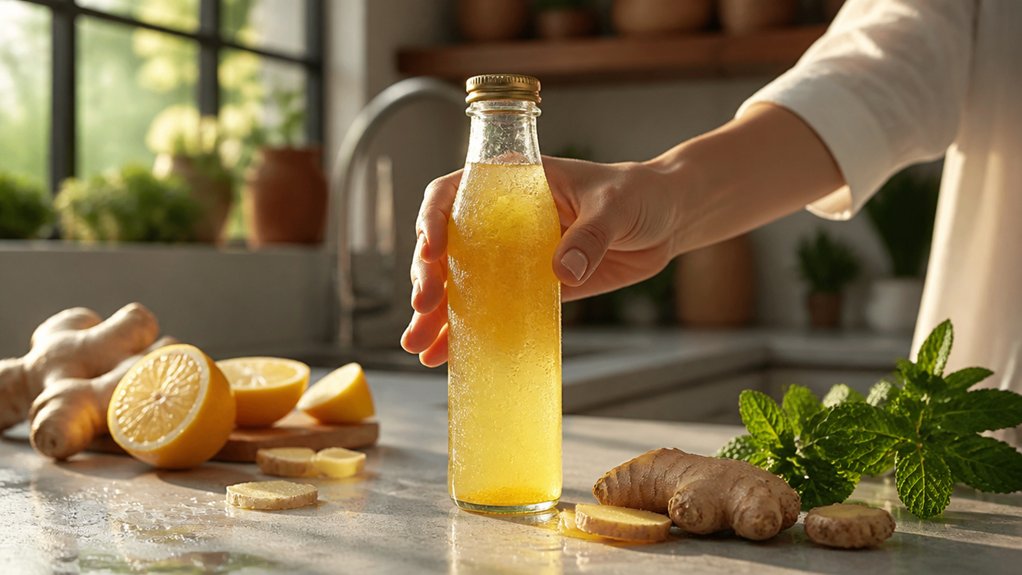
Trust starts when your claims match what’s in the bottle. You earn confidence when every benefit reflects the formula, serving size, and evidence behind it. If you promote hydration, energy, or digestive support, explain what the beverage can reasonably do—and avoid implying it treats or prevents disease. Substantiate claims with credible research and keep documentation current; regulators and retail buyers may scrutinize both.
Ingredient transparency strengthens that promise. Share where key ingredients come from, why you include them, and how you verify quality. Don’t lean on trendy botanicals or vague “clean” language to suggest benefits you can’t support. Use consumer education to clarify how ingredients function and what customers should expect, including limitations. When your messaging stays specific, consistent, and honest across packaging, websites, and campaigns, you give shoppers a sound basis for choosing your brand—and returning.
Make Health Beverage Labels Easy to Read
Make your label easy to scan: clear, legible typography helps shoppers find information quickly. Give key ingredients prominent placement so consumers can assess what’s in the beverage at a glance. When you reduce visual clutter, you make informed choices easier.
Prioritize Clear Typography
Clear typography helps shoppers understand a health beverage label at a glance. When you design packaging, treat Typography clarity as a usability standard, not a decorative choice. Shoppers often scan products quickly, so strong contrast, legible type sizes, and familiar letterforms can reduce effort and support confident decisions.
Build label readability into your design system. Use a clear hierarchy to distinguish the brand name, product type, and required information without crowding the panel. Keep text aligned, spacing consistent, and backgrounds simple enough to preserve contrast under store lighting. Check the label at actual package size; type that looks readable on a screen may become difficult on a bottle or can.
You’ll also strengthen trust when you meet applicable labeling rules and make essential text easy to locate. Test designs with shoppers before production.
Highlight Key Ingredients
When shoppers scan a health beverage label, a clear ingredient callout can help them quickly identify what sets the product apart. Put your most meaningful ingredients where shoppers can find them, and explain their role in plain language. A prominent “Natural electrolytes” callout, for example, can signal a hydration benefit; “Superfood antioxidants” may attract shoppers seeking plant-based ingredients. Keep claims specific and substantiated: consumers deserve to know which ingredients support each statement, not just see a trendy phrase. Use concise wording, strong contrast, and a clear hierarchy so callouts complement—not compete with—the ingredient list and nutrition facts. Check that every benefit aligns with applicable labeling rules and evidence. When you make key ingredients easy to spot and understand, you help shoppers compare options and make informed choices with confidence.
Back Up Wellness Claims With Evidence
Wellness claims can set your beverage apart, but they need credible evidence to earn consumer trust and meet regulatory expectations. Support each benefit with relevant research, not ingredient studies that don’t substantiate your finished product’s effect. Scientific validation should match your formulation, serving size, intended audience, and the exact wording on your label and marketing materials. Keep study records, supplier documentation, and claim reviews accessible so your team can verify every statement before publication.
Consumer skepticism rises when brands overstate benefits or rely on vague promises. Use precise language, explain what the evidence does—and doesn’t—show, and avoid implying that a drink prevents, treats, or cures disease unless regulations permit it. Check claims against applicable rules in every market where you sell. When you communicate limits transparently, you help customers make informed choices and protect your brand from misleading advertising challenges.
Define a Distinctive Health Beverage Brand
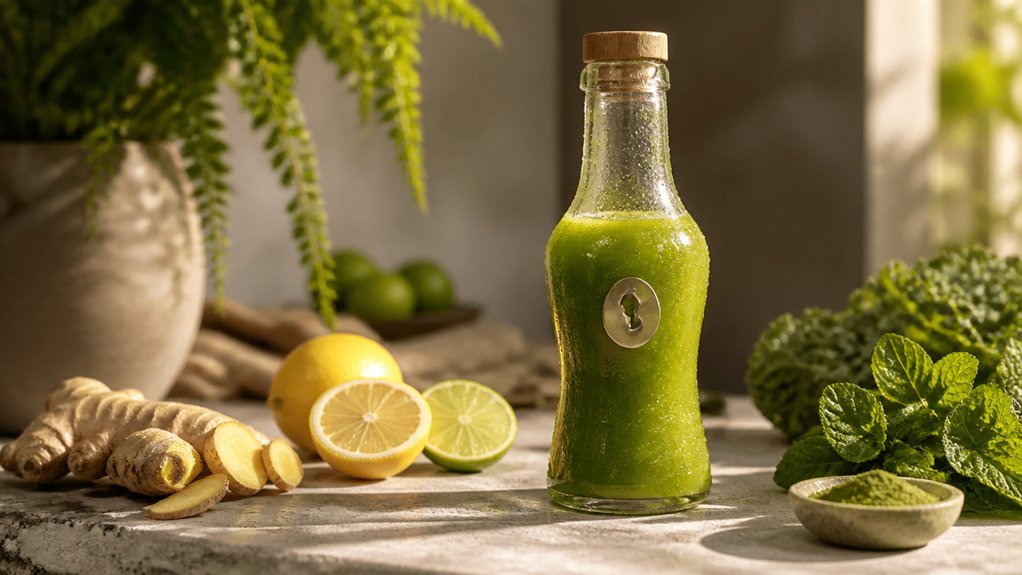
Once your wellness claims are grounded in evidence, define the brand that makes them recognizable and relevant. Give your beverage a clear purpose, then connect its benefits to a specific audience’s needs and routines. You’ll build trust when your positioning reflects what the product can deliver, not broad promises or passing wellness trends. Set a consistent voice and choose values you can demonstrate across sourcing, formulation, and customer communication.
Flavor innovation can help you stand apart while making functional ingredients enjoyable and easy to adopt. Test concepts with target consumers; their feedback can reveal preferences, acceptable taste trade-offs, and unmet needs. Treat Packaging sustainability as a brand commitment, too, and support it with credible material choices and transparent explanations. When your purpose, product experience, and values align, you give consumers a distinctive reason to choose your beverage—and return to it.
Design Packaging That Stands Out on Shelves
On a crowded shelf, packaging has seconds to signal what your beverage is and why it belongs in a shopper’s routine. Build Shelf appeal with a clear visual hierarchy: make the product name, beverage type, and key benefit easy to scan. Use color, typography, and shape to stand apart from nearby products without sacrificing legibility or category recognition. Shoppers often compare options quickly, so keep essential details visible rather than crowding the label with claims.
Innovative packaging can also improve usability and reinforce quality. Choose formats that fit how people drink, store, and carry your beverage, and consider materials that protect freshness while meeting sustainability goals. Test designs in realistic retail settings, not just on screens; lighting, shelf height, and neighboring brands can change what shoppers notice. Confirm every claim and label detail complies with applicable regulations before launch.
Tell a Health Beverage Story Buyers Relate To
A compelling brand story connects your beverage’s purpose to a need buyers recognize, such as a convenient morning routine or a revitalizing alternative to sugary drinks. Show how your product fits real routines, and support every benefit with accurate ingredient and nutrition information. Buyers are more likely to trust specific, verifiable claims than broad promises of wellness.
Emotional storytelling can make those facts memorable when you center the people and moments behind your brand. Use relatable narratives that reflect your customers’ priorities without implying unproven health outcomes. For example, describe how a busy parent chooses a low-sugar drink for an afternoon break, if that aligns with your product’s formulation. Keep the tone authentic, acknowledge what your beverage can and can’t do, and let consistent details build confidence. A credible story helps buyers see where your drink belongs in their lives.
Choose Channels for Health-Conscious Shoppers
Where do health-conscious shoppers look for beverages? You’ll find them comparing labels in grocery aisles, searching retailer sites, and discovering products through wellness content. Choose channels based on where your audience evaluates ingredients, price, and convenience—not simply where competitors advertise. Use retail media and search to reach shoppers with clear purchase intent; optimize product pages with verified claims, nutrition details, and appealing images. Social media engagement can help you answer questions and show how your beverage fits real routines. Track saves, clicks, and qualified traffic, not just impressions. Consider influencer partnerships with credible nutrition or fitness voices whose audiences match your target market. Require transparent disclosures and substantiate health claims before campaigns go live. Coordinate messaging across channels so shoppers encounter consistent, evidence-based information wherever they research and buy.
Turn First-Time Beverage Buyers Into Regulars
When first-time buyers enjoy a beverage and can find it again easily, they’re more likely to make it part of their routine. Make repeat purchases simple with reliable retail availability, clear product information, and convenient multipacks. You can build trust by keeping taste, quality, and functional benefits consistent; shoppers won’t stay loyal if each purchase feels like a gamble.
Use Flavor innovation to refresh interest without abandoning the profiles customers already enjoy. Limited seasonal options or carefully tested extensions can invite trial while keeping core favorites in stock. Thoughtful Pricing strategies also support retention: offer multipacks or subscriptions that provide value without making buyers question product quality. Explain price differences through ingredient sourcing, serving size, or formulation. When you deliver dependable value and a satisfying experience, customers have a practical reason to choose your beverage again.
Measure Which Branding Tactics Increase Sales
To identify which branding tactics drive beverage sales, track performance against a clear baseline rather than relying on impressions alone. Compare sales before and after each campaign, accounting for seasonality, promotions, distribution changes, and stockouts. Use unique links, QR codes, or offer codes to connect specific creative to purchases, then review conversion rate, repeat orders, and revenue per customer—not reach alone.
Test one variable at a time, such as packaging claims, sampling, or social content, across comparable audiences. Customer testimonials may build trust, but measure whether they lift trial and repeat purchase. Track Influencer endorsements with tagged links and matched control groups to separate genuine impact from existing demand. Pair sales data with customer feedback: if a message drives clicks but confuses shoppers, refine it before scaling. Reallocate budget toward tactics that deliver profitable, sustained growth.