
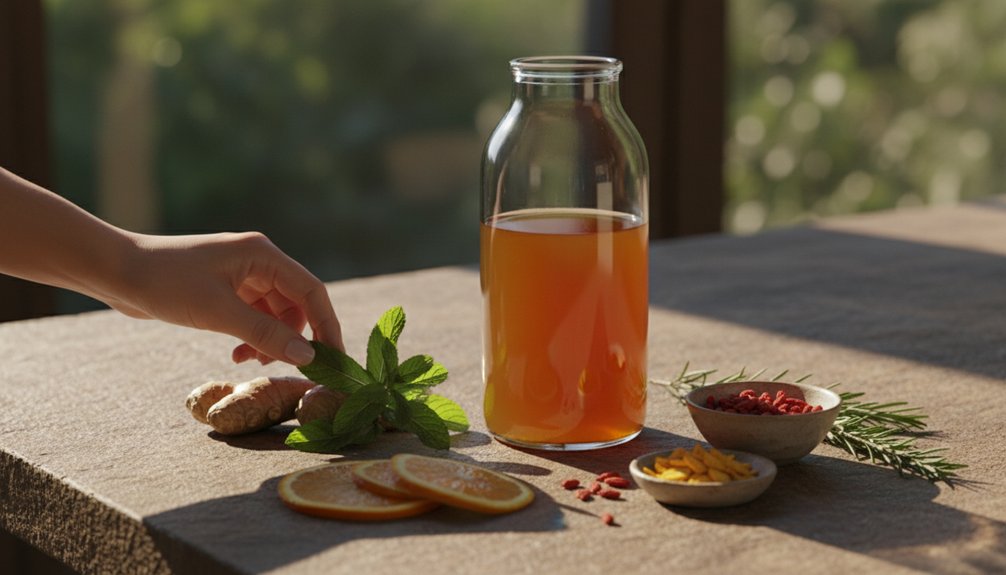
Market a functional beverage by choosing one clear benefit, then naming each active ingredient, its dose, and its purpose. Link claims to relevant human studies, explain evidence limits, and avoid promising to treat or prevent disease. Disclose ingredient sources, testing methods, allergens, caffeine, and added sugars in plain language. Use the label for essentials and digital content for sourcing details, research, and FAQs. Set realistic expectations, since results vary; the sections ahead show how to make transparency useful.
Define Your Functional Beverage’s Core Benefit
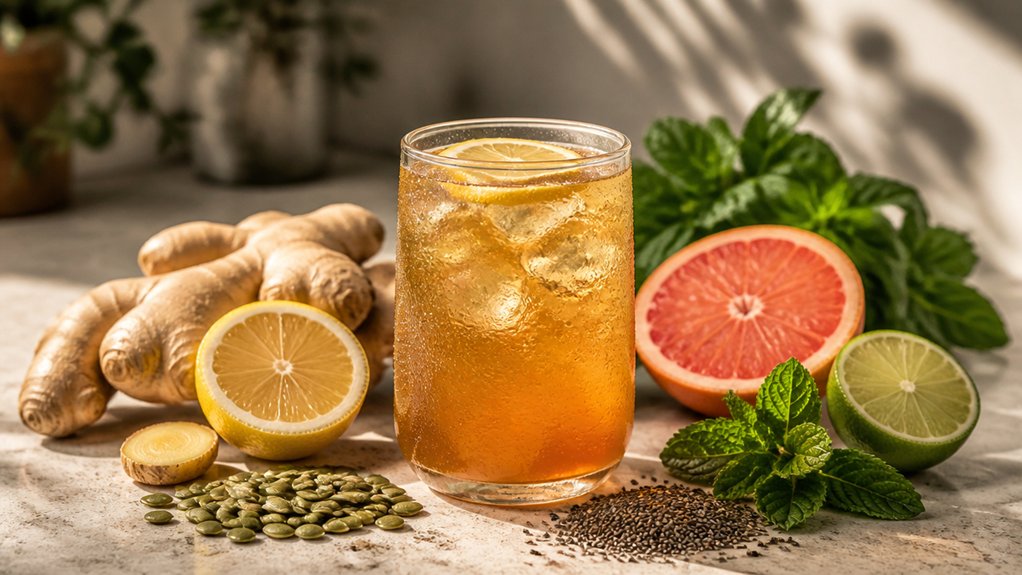
What should your functional beverage help people do? Start by choosing one clear, relevant benefit, such as supporting hydration, alertness, or relaxation. Connect that goal to ingredients with credible evidence, and avoid promising outcomes that research doesn’t support. Your benefit should guide product decisions, not merely decorate the label.
Consider how the ingredients work together and whether the finished drink fits people’s routines. Flavor pairings matter: bright citrus may complement a revitalizing hydration concept, while calming botanical notes may suit an evening drink. Taste won’t prove efficacy, but it can make a product easier to enjoy consistently.
Use consumer education to explain the benefit in plain language and distinguish evidence from marketing claims. Ask what people need to know to decide whether your beverage suits them. A focused promise builds trust and gives your brand a meaningful point of difference.
Explain Every Ingredient and Its Amount
Name every ingredient in your beverage, including active compounds and additives, so consumers can assess what they’re choosing. Disclose each ingredient’s exact amount per serving rather than relying on vague blend names. Clear quantities help people compare products and make informed decisions.
Name Every Ingredient
To help consumers assess a functional beverage, list every ingredient by its common name and state the amount of each active ingredient per serving. Name botanicals, sweeteners, acids, flavors, colors, and processing aids clearly; don’t hide them behind terms such as “natural flavors” when you can identify their sources. If a blend contains several components, name each one so consumers can evaluate potential allergens, dietary fit, and personal sensitivities. Use familiar names, adding the botanical or scientific name when it helps distinguish species. Keep ingredient descriptions factual: explain a component’s role without implying benefits that evidence doesn’t support. Clear naming also strengthens Flavor innovation claims by showing what creates a taste profile, and Packaging sustainability messaging by making material choices easier to assess. Review labels whenever suppliers or formulations change. You’ll build trust through specifics, not slogans.
Disclose Exact Amounts
Disclose the exact amount of each active ingredient per serving, not just the total weight of a proprietary blend. When you list milligrams of caffeine, grams of fiber, or the amount of each botanical, customers can compare your formula with research and make informed choices. Don’t imply a studied benefit if your serving provides a different dose; evidence applies to specific ingredients, amounts, and populations. State the source and form when they affect interpretation, such as the type of magnesium or the extract’s standardization. If your formula changes, update the label and product page so the numbers match. Clear quantities support Consumer trust and help people assess suitability alongside medications, sensitivities, or daily intake. You can pursue Flavor innovation, too, while keeping functional doses visible and claims precise.
Show the Evidence Behind Your Claims
When you claim a functional beverage supports energy, focus, or digestion, show consumers the evidence behind the specific ingredients and doses in your formula. Link each benefit to relevant human studies, not vague references to research or findings about unrelated compounds. Explain whether the study used the same ingredient form and a comparable dose, and note meaningful limitations, such as small sample sizes or short durations. Scientific validation doesn’t mean promising identical results for every drinker; it means presenting research accurately and keeping claims within what the evidence supports. Use plain language to help consumers understand what a study can—and can’t—show. When findings are mixed, say so rather than implying certainty. This ingredient-specific approach strengthens Consumer trust and helps people make informed choices without overstating potential benefits.
Disclose How Ingredients Are Sourced and Tested
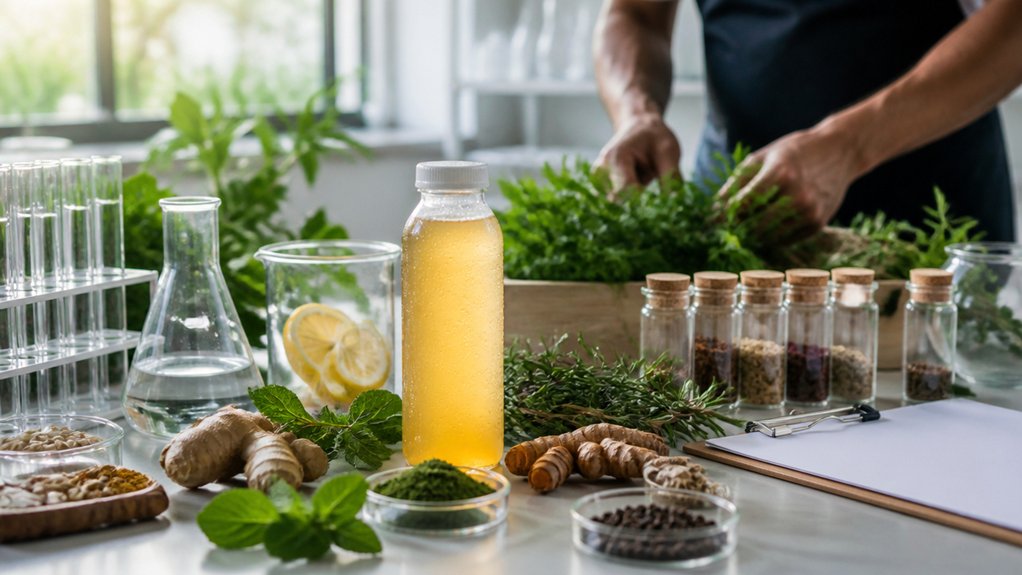
Show consumers where your functional ingredients come from, including their suppliers and origins. Explain how you test each ingredient for identity, purity, and contaminants. Publish your testing standards so people can assess the evidence behind your sourcing and safety claims.
Trace Ingredient Origins
Ingredient transparency builds trust when you explain where each active comes from and how you verify its quality. Trace every ingredient to its farm, fishery, or production region, and name the supplier when possible. Describe growing or harvesting practices that affect composition, such as soil conditions, harvest timing, or extraction methods. Heritage storytelling can connect an ingredient’s traditional use to its present role, but keep cultural claims specific and respectful. Ingredient authenticity means matching the label to the material in your beverage: identify the species, plant part, and form, such as whole-root powder or standardized extract. Explain how you confirm identity and screen incoming lots for relevant contaminants. Give consumers enough detail to assess origin and handling without implying that provenance alone proves efficacy. Link each claim to traceable records and clear, accessible sourcing information.
Publish Testing Standards
Publish a clear testing standard for every active ingredient, including identity checks, contaminant limits, and the methods or recognized specifications you use to assess each lot. Name the tests you apply to botanicals, vitamins, minerals, and other actives, and explain how you verify potency, purity, and consistency. State whether qualified laboratories conduct the analyses and how often you review supplier documentation. Share results in plain language, noting any limits and what they mean for the finished beverage. Don’t imply that testing proves benefits or guarantees zero risk. Instead, show how your controls support Regulatory compliance and help you make accurate product claims. When you publish standards and update them as methods or regulations change, you give consumers useful evidence, strengthen Consumer trust, and let them judge your ingredient quality with confidence.
Put Clear Ingredient Details on Packaging
When shoppers compare functional beverages, clear packaging helps them judge what’s inside and whether it fits their needs. Name each active ingredient and state its amount per serving, using familiar units. If you include botanicals, identify the plant species and the part used; distinguish extracts from whole ingredients. List added sugars, caffeine, allergens, and relevant sweeteners plainly, so consumers can assess suitability without guessing.
Transparent labeling means your front panel and ingredient list agree: don’t imply a dose or benefit the formula can’t support. Ingredient storytelling can explain why you chose a source or form, but keep claims specific and substantiated. Use readable type, clear serving sizes, and straightforward terms rather than vague blends that conceal individual amounts. When shoppers can compare quantities and recognize ingredients, they can make informed choices and trust what you put in the bottle.
Answer Deeper Questions With Digital Content
Clear packaging gives shoppers the facts at a glance; digital content can answer questions that need more context. Use product pages to explain ingredient sources, forms, amounts per serving, and why each component appears in the formula. Link to credible research, and distinguish established findings from early evidence so you don’t overstate what studies show. A searchable FAQ can cover allergens, sweeteners, caffeine, and processing methods, while batch-specific certificates or sourcing details can support verification. Short videos can show how ingredients are handled or explain formulation choices in plain language. Invite questions, then update answers when suppliers, evidence, or formulas change. This ongoing clarity helps you earn consumer trust and show how Flavor innovation fits with ingredient choices, without burying shoppers in technical detail or unsupported claims.
Set Honest Expectations for Results

Set expectations by describing what a functional beverage can—and can’t—reasonably do. Explain the specific role of each active ingredient, its amount per serving, and the evidence behind the claimed effect. If research suggests modest support for hydration, focus, or digestion—not a guaranteed outcome—say so plainly. Results can vary with dose, diet, health, and individual response.
Don’t imply that a drink treats, prevents, or cures disease unless regulators authorize that claim and strong evidence supports it. Clarify how long consumers may need to use the product, when evidence is limited, and who should seek medical advice. Distinguish measured benefits from marketing language, and disclose relevant study limitations. This approach reflects Marketing ethics: you give people information to make informed choices. Honest claims build Consumer trust and protect your brand’s credibility.